




Top-rated fire pit installation pros.

Get matched with top fire pit installation pros in West Barnstable, MA

Enter your zip and get matched with up to 5 pros

Need a pro for your fire pit installation project in West Barnstable, MA?

Select your specific project to find the pro for you.

TRUSTED BY WEST BARNSTABLE, MA HOMEOWNERS

  • Average homeowner rating star icon4.4
    Average homeowner rating
  • Verified reviews icon262
    Verified fire pit installation services reviews

Find Fire pit installation pros in West Barnstable

No results for Fire pit installation pro in

Try adjusting your search criteria.
Fire Pit Installation questions, answered by experts

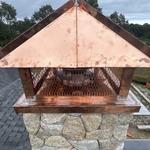
A spark arrestor is not the same as a chimney cap. Both sit on the top of the chimney. However, the cap keeps debris from entering the chimney, and the spark arrestor’s primary function is to prevent burning embers from escaping. Some spark arrestors are integrated into the chimney cap, and others are installed separately.

DIY cleaning is possible, but professionals ensure thorough soot removal and check for hazardous creosote buildup.

Yes, it is possible. An electrical fire can break out if the compressor has inadequate ventilation. When it overheats but doesn't have a proper thermal cutout, this can cause the motor to short-circuit and catch fire. This risk is exacerbated if flammable materials, like dust and fallen leaves, are clogging the unit. The compressor overheating won't start a fire by itself, but poor maintenance and installation can increase the risk once it hits its breaking point and short-circuits.

Disposable fire extinguishers are good for anywhere from 10 to 12 years, but check the documentation that accompanied your specific model to make sure. Additionally, there are rechargeable models out there that last 12 to 20 years, but they require a professional inspection every six years.

Generally, an oil furnace is considered safer than a gas furnace for several reasons. While both types of furnaces can produce carbon monoxide, a leak in an oil furnace is easier to detect due to the smell. Oil furnaces also don't connect to a gas pipeline, which reduces the chance of a fuel leak. Most importantly, heating oil is not combustible, whereas natural gas is highly flammable. This means there is a much lower risk of combustion or explosion with an oil furnace. However, an oil furnace can still pose a fire hazard if it tips over.

The West Barnstable, MA homeowners’ guide to fire pit installation services

From average costs to expert advice, get all the answers you need to get your job done.