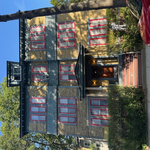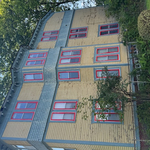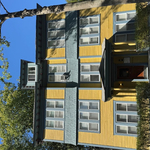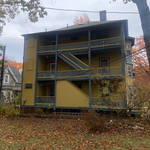







Top-rated lead testing and removal specialists.

Get matched with top lead testing and removal specialists in Upton, MA

Enter your zip and get matched with up to 5 pros

Need a pro for your lead testing and removal project in Upton, MA?

Select your specific project to find the pro for you.

Find Lead testing and removal specialists in Upton

Avatar for Indoor Environmental
Indoor Environmental
5.0(
56
)
Toxic Lead - Testing

Serving Upton, MA and surrounding areas

Approved

In business since 2009

Free estimates

Warranties offered

"very quick process much less involved than I imagined. Mold testing done then a few days later, solution applied everywhere downstairs. after process completed, company came back and did another test for mold."
5 neighbors recently requested a quote
Recommended by95%of homeowners
Radon Systems LLC
5.0(
234
)
Toxic Lead - Testing

Serving Upton, MA and surrounding areas

In business since 1985

Free estimates

Emergency services offered

"We were selling our house and the radon test came back high so we needed quick and effective service. The appointment was scheduled a week from our call. The technician arrived on time and helped identify the best location for the system that was both effective and as aesthetic as possible. The install went quickly and he took the time to explain how it worked and what we should look for in terms of monitoring and maintenance. Overall, it was a good experience."
1 neighbors recently requested a quote
Recommended by99%of homeowners
Showing 1-10 of 18
Lead Testing and Removal questions, answered by experts

“Testing” can start with your senses: Assessing your water’s appearance, taste, and smell can all be good first steps. The best way to know for sure what’s going on with your water is to use a well water testing kit, which can tell you about the specific levels of bacteria, dissolved solids, and hardness of your water with precision. Have a pro test your well water at least once per year.

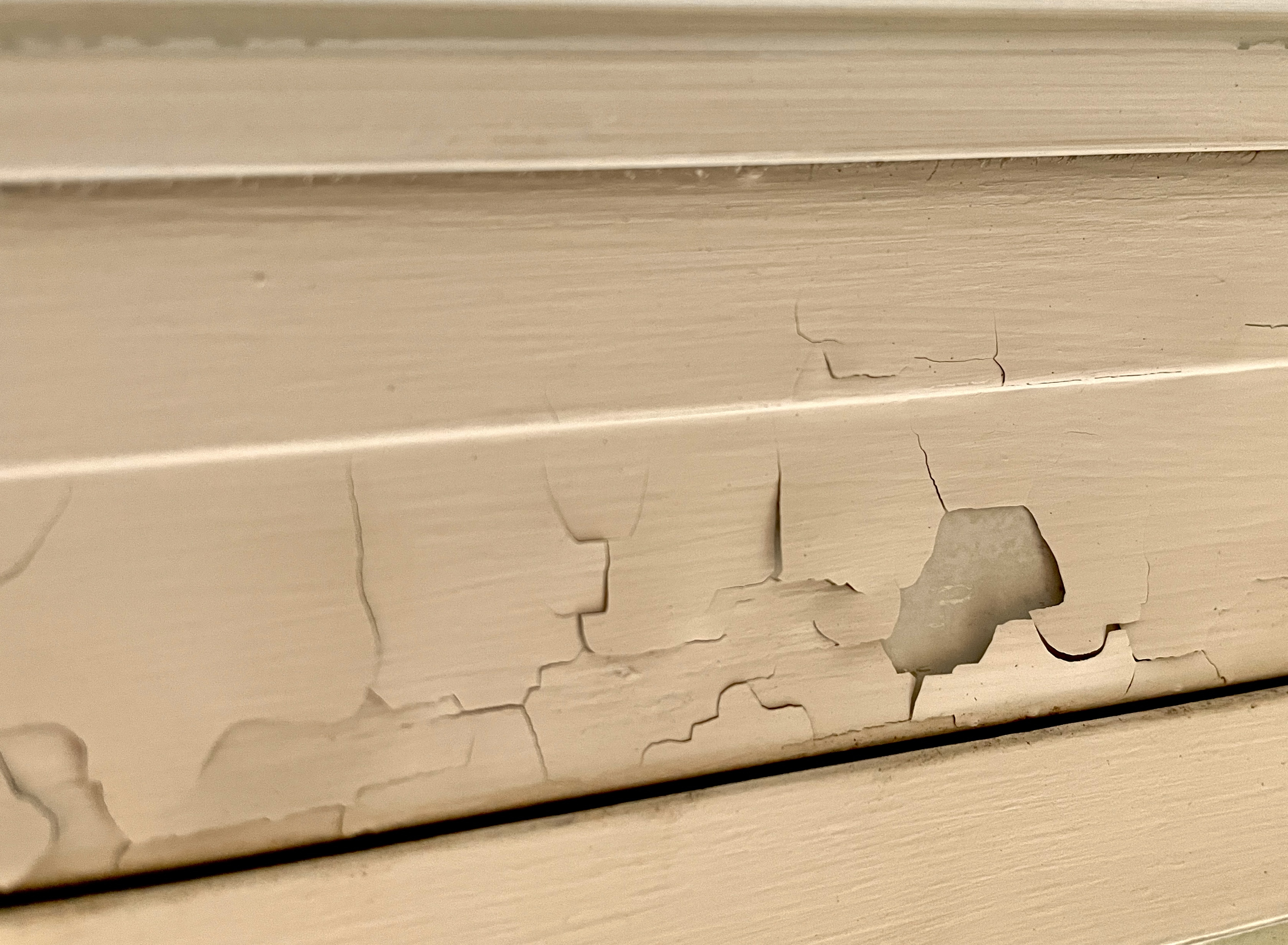
Lead toxicity comes from inhaling lead or consuming it. Before the 1980s, when the government banned lead from consumer use, it could be found in paint, plumbing, pipes, ceramics, and even gasoline. Lead paint is toxic for the same reason lead itself is toxic, which is why lead poisoning from paint presents the same as lead poisoning from water or food sources, with a slight increase in respiratory symptoms vs. digestive symptoms. Lead paint is most dangerous when it’s old and peeling, cracking, or otherwise disturbed. This increases the concentration in the air and, therefore, in breathable air. 

Some of the signs that could mean your water is contaminated, such as cloudiness or bubbliness, could also be non-problems that don’t affect your water’s potability. However, if your water smells or tastes strange, it’s a good idea to stop drinking it and test it immediately. If your well water is contaminated, the best way to discover that is to test it.

According to the Environmental Protection Agency (EPA), hazardous waste is generally classified into four main categories:

1. Characteristic Wastes: These exhibit at least one of four hazardous traits: ignitability (flammable, like gasoline), corrosivity (can rust or decompose materials, like car batteries), reactivity (unstable and can explode, like aerosol cans), or toxicity (harmful when ingested, like lead-based paint).

2. Listed Wastes: These are specific wastes from manufacturing and industrial processes that the EPA has officially designated as hazardous. They include byproducts from processes that use solvents, pesticides, and other chemicals.

3. Universal Wastes: These are commonly generated hazardous items that are subject to streamlined regulations. Examples include batteries, pesticides, mercury-containing equipment (e.g., bulbs), and some lamps.

4. Mixed Wastes: This category includes waste that contains both hazardous and radioactive components, making it subject to regulation by both the EPA and the Nuclear Regulatory Commission.

If the lead paint is in a place that is not easily disturbed and is not flaking or deteriorating, you do not necessarily need to remove it. Lead is toxic when dust particles or flakes from peeling lead paint are ingested. If people are not in the area with the lead paint, it may be safe to leave it in place. You still may want to consider encapsulation with a paint formulated for covering lead-based paint, just for an added layer of protection.

The Upton, MA homeowners’ guide to lead testing and removal services

From average costs to expert advice, get all the answers you need to get your job done.