


Top-rated ceiling fan pros.

Best ceiling fan pros near Paxton, MA

Enter your zip and get matched with up to 5 pros

Need a pro for your ceiling fan service project in Paxton, MA?

Select your specific project to find the pro for you.

TRUSTED BY PAXTON, MA HOMEOWNERS

  • Average homeowner rating star icon4.8
    Average homeowner rating
  • Verified reviews icon39
    Verified ceiling fan services reviews

Top-Rated Ceiling fan pros in Paxton - Updated Nov 2026

David M. Maynard
4.7(
17
)
Ceiling Fan - Install

Serving Paxton, MA and surrounding areas

Approved

Super Service Award Winner

In business since 2010

Free estimates

Offers commercial services

"David did a great job completing the installation of a new smart thermostat to replace my old standard programmable thermostat. He was quick, professional and found quick solutions to a few challenges to make the thermostat work with my particular HVAC unit. I would definitely recommend."
Response time5 hrs
3 neighbors recently requested a quote
Recommended by46%of homeowners
Avatar for Thomas A. Jennette Electric
Thomas A. Jennette Electric
4.5(
10
)
Ceiling Fan - InstallCeiling Fan - Repair

Serving Paxton, MA and surrounding areas

Approved

In business since 2021

Free estimates

Credit card accepted

"Tom brings all of the vales you expect of a professional â honesty, respectful, knowledgeable, thorough, and capable. He assessed my needs then explained the process clearly, answering all of my questions. When the work was done, he left my home as clean as it was when he arrived. My final bill had no surprises and the work exceeded my expectations. Tom will be the one I call when I need electrical work done in my home in the future."
Bathroom remodel
Kitchen Remodel
Sub-panel move
Main Service Drop
Response time1 day
Recommended by100%of homeowners

Avatar for Gervais Mechanical
Gervais Mechanical
New to Angi
Ceiling Fan - InstallCeiling Fan - Repair

Serving Paxton, MA and surrounding areas

Approved

In business since 2000

Free estimates

Credit card accepted

18 Years in Business\nGervais Mechanical Service LLC is a fully licensed, local, family-run business. With more than 100 years of combined experience, we strive to bring our customers exceptional repair and installation services they can rely on. We offer turnkey solutions for both residential and commercial customers — no job is too large or complex for our expert team.

2 neighbors recently requested a quote
...
Showing 1-10 of 89
Ceiling Fans FAQs, answered by experts

Fan power is measured by CFM, or cubic feet per minute. For every 1,000 feet of square footage in your attic, you need a minimum of 700 CFM. Steeper roofs may need larger fans or about 840 CFM.  You can figure the size of attic fan you need by multiplying the square footage of your attic floor by 0.7. (multiply by 1.2 for a steep roof and 1.15 for a dark roof). That number is the CFM required for your fan to run efficiently.

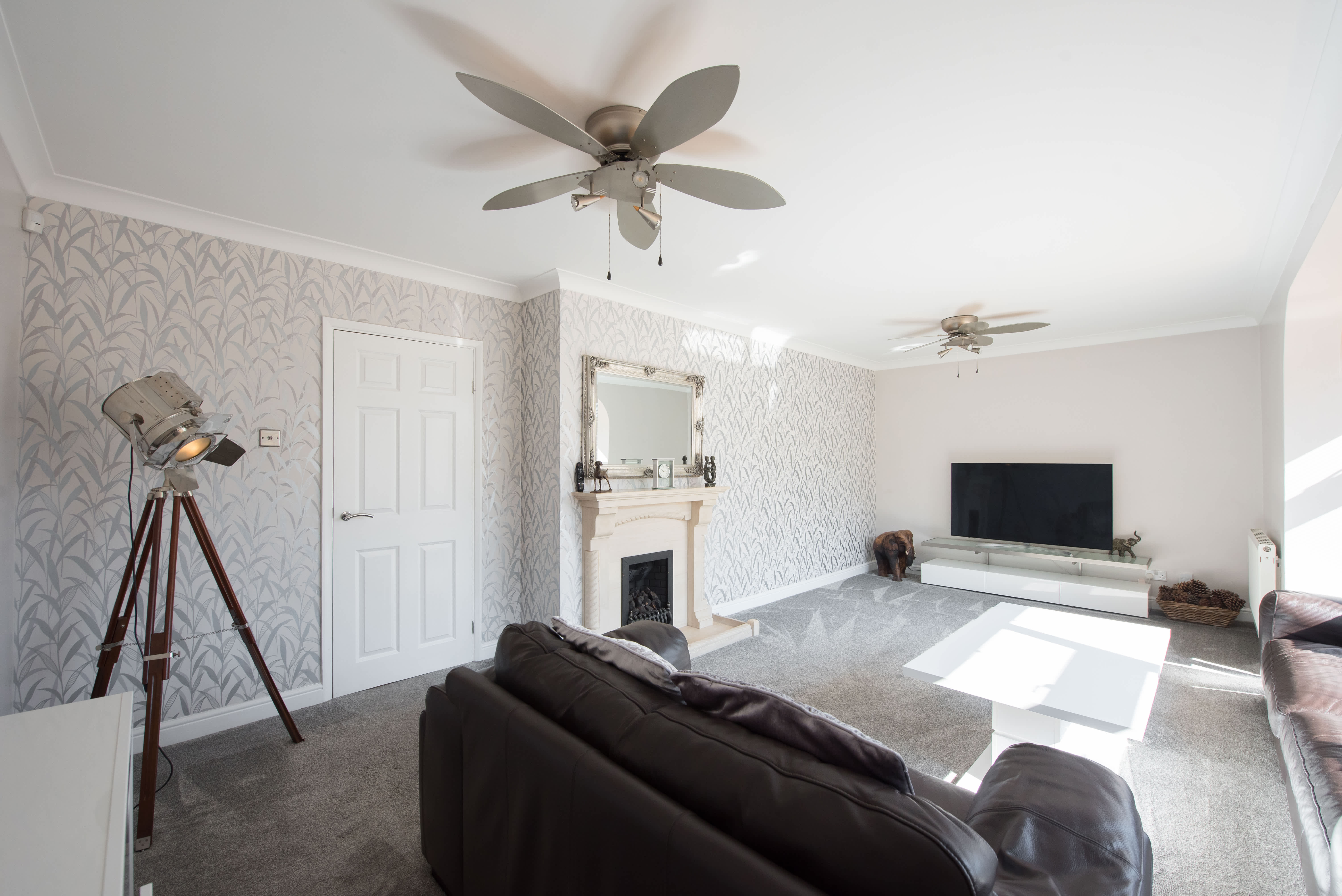
The number of blades for your fan poses both advantages and disadvantages. Typically, the more blades on a fan, the better the air distribution and cooling effect, but this also means that your fan will have more wear on its motor. For small rooms, three-blade fans should work fine. For larger areas like living rooms, four or five-blade fans might be the better option. 

Coffered ceilings often come with additional embellishments and accessories, including tin panels, medallions, trim, molding, recessed lights, and finials. Whether you’re looking for a simple grid pattern or want an elaborate, decorative ceiling with all the bells and whistles, there are plenty of options to choose from.

There are several telltale signs to let you know that your ceiling fan needs servicing or replacement. For instance, if it’s wobbling, rotating too slowly, or if your ceiling fan is making noise such as squeaks, buzzes, and thumps, it’s time to have it looked at by a professional. Not only may it indicate a potential problem with the fan itself, but it could also signal a red flag that it’s improperly assembled or there’s an issue with the wiring.

Identifying the source of noises is your first step to soundproofing a room without overspending. Generally, sound comes from inside or outside of the house. Inside noises include creaking floors, living noises like TVs in the living room, cooking sounds, or kids being kids. External noises generally include incremental weather, disturbing neighbors, and street traffic. Inside noises require you to soundproof floors, ceilings, and doors, whereas outside noises may require you to soundproof your attic, windows, and walls facing the streets.

The Paxton, MA homeowners’ guide to ceiling fan services

From average costs to expert advice, get all the answers you need to get your job done.