Top-rated lead testing and removal specialists.

Best lead testing and removal specialists near Osterville, MA

Enter your zip and get matched with up to 5 pros

Need a pro for your lead testing and removal project in Osterville, MA?

Select your specific project to find the pro for you.

Top-Rated Lead testing and removal specialists in Osterville - Updated Nov 2026

Avatar for Atner Group, LLC
Atner Group, LLC
5.0(
5
)
Toxic Lead - Abatement

Serving Osterville, MA and surrounding areas

Approved

In business since 2023

Free estimates

Emergency services offered

"Peter was great to work with and I’d highly recommend him. He was professional, a good communicator, and accommodating as changes came up to our project and helped to find solutions to unblock our lead remediation work alongside our home renovation happening at the same time."
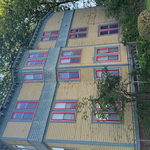
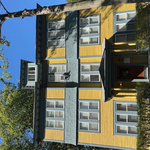
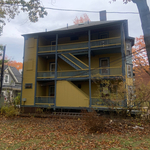
Exterior Multi-Family
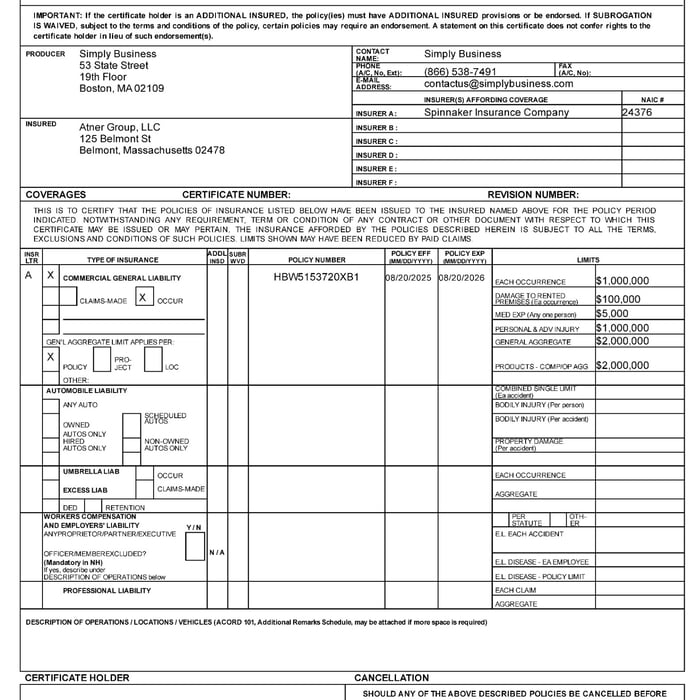
Liability Insurance

+17

14 neighbors recently requested a quote
Lead Testing and Removal FAQs, answered by experts

The average cost of a lead paint inspection is about $600, but it can cost as low as $150 or as much as $800, depending on the size of the area, geographic location, and the inspection methods. Some of the most common lead paint inspection methods include:

  • Visual inspection: $150–$400

  • Paint sampling: $200–$600

  • X-ray fluorescence (XRF): $250–$700

  • Risk assessment: $300–$800

Hiring a professional for mold and toxic material testing ensures precise identification of harmful substances within a home. Professionals utilize specialized equipment and techniques, providing accurate results that inform proper removal strategies, safeguarding occupant health.

According to the Environmental Protection Agency (EPA), hazardous waste is generally classified into four main categories:

1. Characteristic Wastes: These exhibit at least one of four hazardous traits: ignitability (flammable, like gasoline), corrosivity (can rust or decompose materials, like car batteries), reactivity (unstable and can explode, like aerosol cans), or toxicity (harmful when ingested, like lead-based paint).

2. Listed Wastes: These are specific wastes from manufacturing and industrial processes that the EPA has officially designated as hazardous. They include byproducts from processes that use solvents, pesticides, and other chemicals.

3. Universal Wastes: These are commonly generated hazardous items that are subject to streamlined regulations. Examples include batteries, pesticides, mercury-containing equipment (e.g., bulbs), and some lamps.

4. Mixed Wastes: This category includes waste that contains both hazardous and radioactive components, making it subject to regulation by both the EPA and the Nuclear Regulatory Commission.
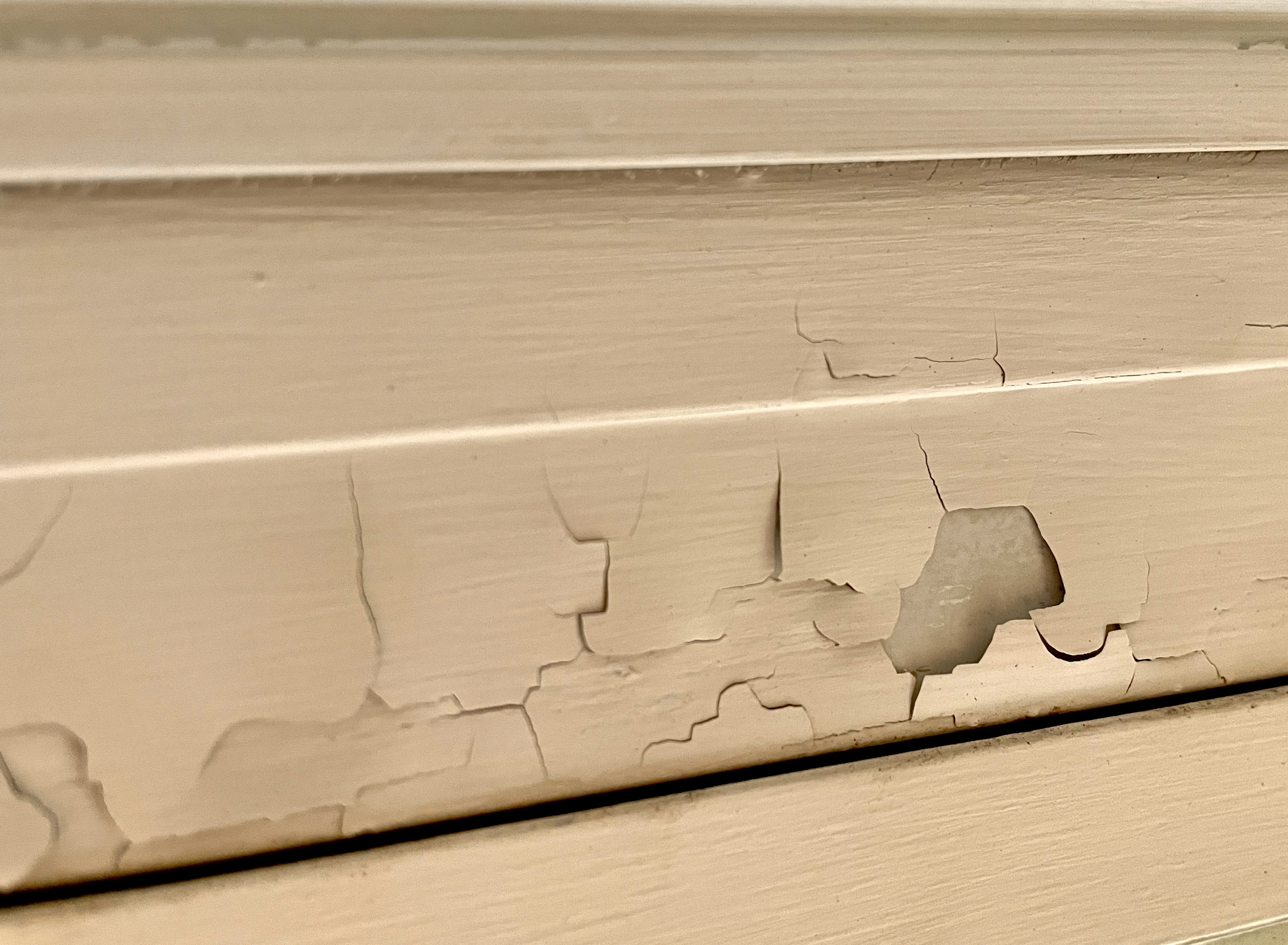

You can sell a house with lead paint, but there are several requirements. If you are aware that lead paint exists anywhere in the home, you must disclose that to potential buyers. Required home inspections will often uncover lead paint, especially for older houses where lead paint may still be a problem. If you have taken steps to encapsulate lead, you should provide buyers with full documentation of the project so it won’t cause any problems later on.

Unfortunately, lead dust does not look different from any other type of dust. You cannot detect it with the naked eye. To determine if you have lead dust in your home, you will need to hire a local company to take a sample from the paint and test it for you in a lab.

The Osterville, MA homeowners’ guide to lead testing and removal services

From average costs to expert advice, get all the answers you need to get your job done.