







Top-rated lead testing and removal specialists.

Get matched with top lead testing and removal specialists in Sagamore, MA

Enter your zip and get matched with up to 5 pros

Need a pro for your lead testing and removal project in Sagamore, MA?

Select your specific project to find the pro for you.

Find Lead testing and removal specialists in Sagamore

Avatar for Atner Group, LLC
Atner Group, LLC
5.0(
5
)

Serving Sagamore, MA and surrounding areas

Approved

In business since 2023

Free estimates

Emergency services offered

"Peter was great to work with and I’d highly recommend him. He was professional, a good communicator, and accommodating as changes came up to our project and helped to find solutions to unblock our lead remediation work alongside our home renovation happening at the same time."
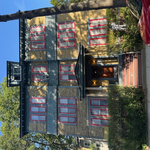
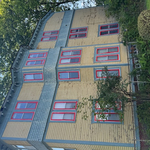
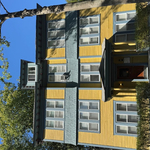
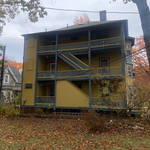
Exterior Multi-Family
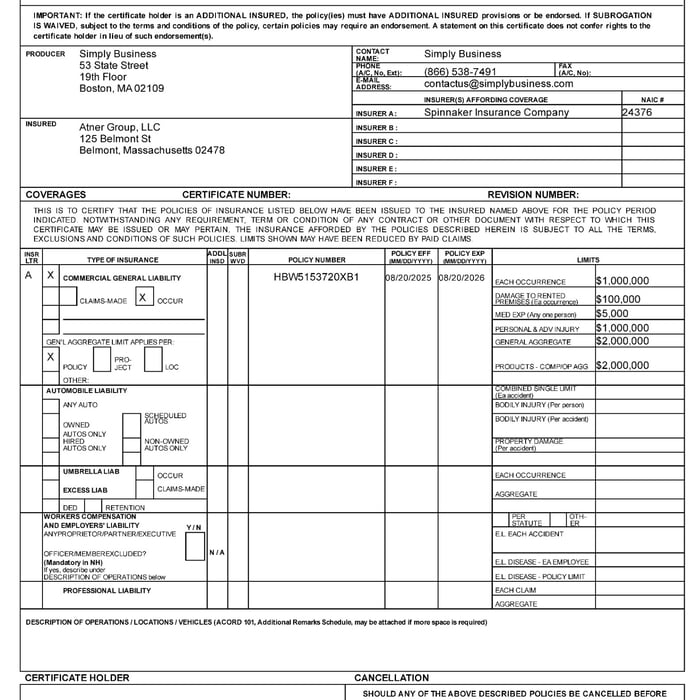
Liability Insurance

+17

2 neighbors recently requested a quote
Avatar for Peter Atsiknoudas
Peter Atsiknoudas
5.0(
7
)

Serving Sagamore, MA and surrounding areas

In business since 2001

Free estimates

Credit card accepted

"Peter came in under budget and work directly with the tenants to assure the least disruption in their lives. I would definitely recommend him for Lead Abatement work"
Residential Abatement

+32

Response time3 hrs
Recommended by100%of homeowners
Lead Testing and Removal questions, answered by experts

According to the Environmental Protection Agency (EPA), hazardous waste is generally classified into four main categories:

1. Characteristic Wastes: These exhibit at least one of four hazardous traits: ignitability (flammable, like gasoline), corrosivity (can rust or decompose materials, like car batteries), reactivity (unstable and can explode, like aerosol cans), or toxicity (harmful when ingested, like lead-based paint).

2. Listed Wastes: These are specific wastes from manufacturing and industrial processes that the EPA has officially designated as hazardous. They include byproducts from processes that use solvents, pesticides, and other chemicals.

3. Universal Wastes: These are commonly generated hazardous items that are subject to streamlined regulations. Examples include batteries, pesticides, mercury-containing equipment (e.g., bulbs), and some lamps.

4. Mixed Wastes: This category includes waste that contains both hazardous and radioactive components, making it subject to regulation by both the EPA and the Nuclear Regulatory Commission.

Lead testing in residential properties involves collecting samples from paint, dust, soil, or plumbing and analyzing them in certified laboratories to accurately identify lead levels.

Determining if your water main contains lead involves a few steps. First, check the age of your property, as homes built before the 1980s might have lead pipes. Contact your water utility company for information on your service line material. Then, you can hire a professional plumber to conduct an inspection or use a lead testing kit to analyze water from the main line.

You can paint over lead paint, or “encapsulate” it with a special paint that includes an ingredient called an encapsulant. The EPA approves encapsulation as a lead paint removal method as long as the paint remains undisturbed. Standard types of paint without an “encapsulant” from the big box stores or hardware stores do not meet EPA standards for remediation of lead-based paint.

Several different measurements may be used to determine the amount of lead in water. The most common unit of measurement is micrograms per liter (µg/L), which is the same as parts per billion. Another measurement is milligrams per liter (mg/L), which is the same as parts per million.

The Sagamore, MA homeowners’ guide to lead testing and removal services

From average costs to expert advice, get all the answers you need to get your job done.