



Top-rated radon detection and reduction specialists.

Get matched with top radon detection and reduction specialists in Onset, MA

Enter your zip and get matched with up to 5 pros

Need a pro for your radon detection and reduction project in Onset, MA?

Select your specific project to find the pro for you.

Find Radon detection and reduction specialists in Onset

Avatar for Rhino Radon Services
Rhino Radon Services
4.2(
9
)

Serving Onset, MA and surrounding areas

In business since 2014

Free estimates

Emergency services offered

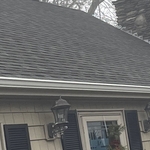
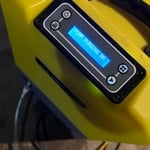
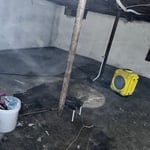
"He was on time, arrived at 9am as quoted and began to install the system. The system required two suction points and a sump pit cover. The sump pit originally had a pedestal pump in place and none of the other radon companies would change the pedestal pump to a submersible pump as required for the mitigation system to function properly. Rhino Radon not only changed the pump but installed a back flow check valve to ensure proper functioning of the system. All of the other companies said we would have to employ a plumber or a handy man to get this done. Had we gone that route the closing would not have happened. Rhino Radon gladly did all the work required and didn't even break for lunch!!! He was more concerned with getting us out of the vacant house seeing we are already down the cape. The system that involved a crawl space and being vented through the garage roof was completed immaculately and the test results came back at 0.5 pCil/L. This pleased the lender and buyer and exceeded our expectations. We highly recommend Rhino Radon Services.
"
Recommended by100%of homeowners
Radon Detection and Reduction questions, answered by experts

The cost to replace a radon fan ranges from $300 to $600 for the fan itself, with installation adding an additional $200 to $500. Overall, the total cost for replacement can range from $500 to $1,100, depending on factors such as the fan model, home size, and local labor rates. If the fan is part of a larger radon mitigation system, the price may be higher.

You'll need to test your home for radon after installing the mitigation system, then again every two years. If radon remains elevated, contact a licensed radon professional, either the contractor who installed the system or a different one, and have them evaluate the system. They may need to make some changes to improve its effectiveness and performance.

The fan that pulls the radon out of the air needs to run continuously, so you may see an increase in your electric bill once you install the mitigation system. Additionally, you may see an increase in your heating or cooling bills, as the fan can cause some loss of hot or cool air.

Radon enters your home when warm air begins to rise and exits through the roof, creating a vacuum that pulls cooler air from under the foundation. Part of that air is radon, which is an invisible, odorless gas that develops naturally when radioactive particles are deep within the ground. Those particles usually come from decaying matter in soil and rocks.

While DIY testing is possible, abatement generally requires professional installation to ensure efficacy and meet safety standards.

The Onset, MA homeowners’ guide to radon detection and reduction services

From average costs to expert advice, get all the answers you need to get your job done.

What do you need done? We’ll find top pros.
  • 🌱 "Mow a small front yard"
  • 🛠 "Fix a leaking pipe under the sink"
  • 🏠 "Repair shingles on an asphalt roof"