Doorbell Installation questions, answered by experts
A radiant barrier is a form of insulation topped with a reflective material designed to keep homes cool during hotter months. It is generally considered worth the investment if you live in a hot, sunny climate, as the cost can be recouped over time through lower energy bills. Installation costs typically range from $0.10 to $1 per square foot. After installation, homeowners in warm climates may save between $7 and $15 per month, potentially reducing their electric bill by 5% to 10%. The exact savings will vary depending on your location and the type of barrier chosen.
The most affordable way to insulate behind unfinished walls is to install fiberglass batts or rolls. These total around $0.75 per linear foot, with the width matching the gaps between standard studs perfectly. However, it’s important to consider the R-value of your insulation and the climate in your area, as fiberglass insulation isn’t the best in terms of preventing heat transfer. Plus, the most affordable option may cost more on electricity bills over time. The most affordable way to insulate behind finished walls is to leave them up and use blown-in insulation to avoid drywall replacement.
You don’t need to staple insulation, as your drywall and studs will hold it into place. But if you already have a staple gun and staples lying around, it can help keep the product in place and avoid any shifting. But, most experts agree it’s an unnecessary step.
If you’re adding a vapor barrier, you will need to staple that in place.
While not every wall requires a vapor barrier, if you do need one and don’t install it, moisture can get between the walls of your home. This can lead to water damage from mold growth or rot, and the excess moisture could also attract pests, including termites, cockroaches, or ants.
Structural insulated panels and rigid foam boards have the highest R-value of any insulation that contractors commonly use, with R-values reaching up to around 8.0. These types of insulation are best in extremely cold climates, but they’re generally preferred for new construction, as they can be challenging to retrofit. Blown-in and loose fill insulation provide the next best insulative value, provided the installation is done properly. It’s important to choose an insulation type that meets your needs based on climate, as maximizing R-value may not always be financially worthwhile if you live in a moderate climate.
The Brookfield, MA homeowners’ guide to doorbell installation services
From average costs to expert advice, get all the answers you need to get your job done.
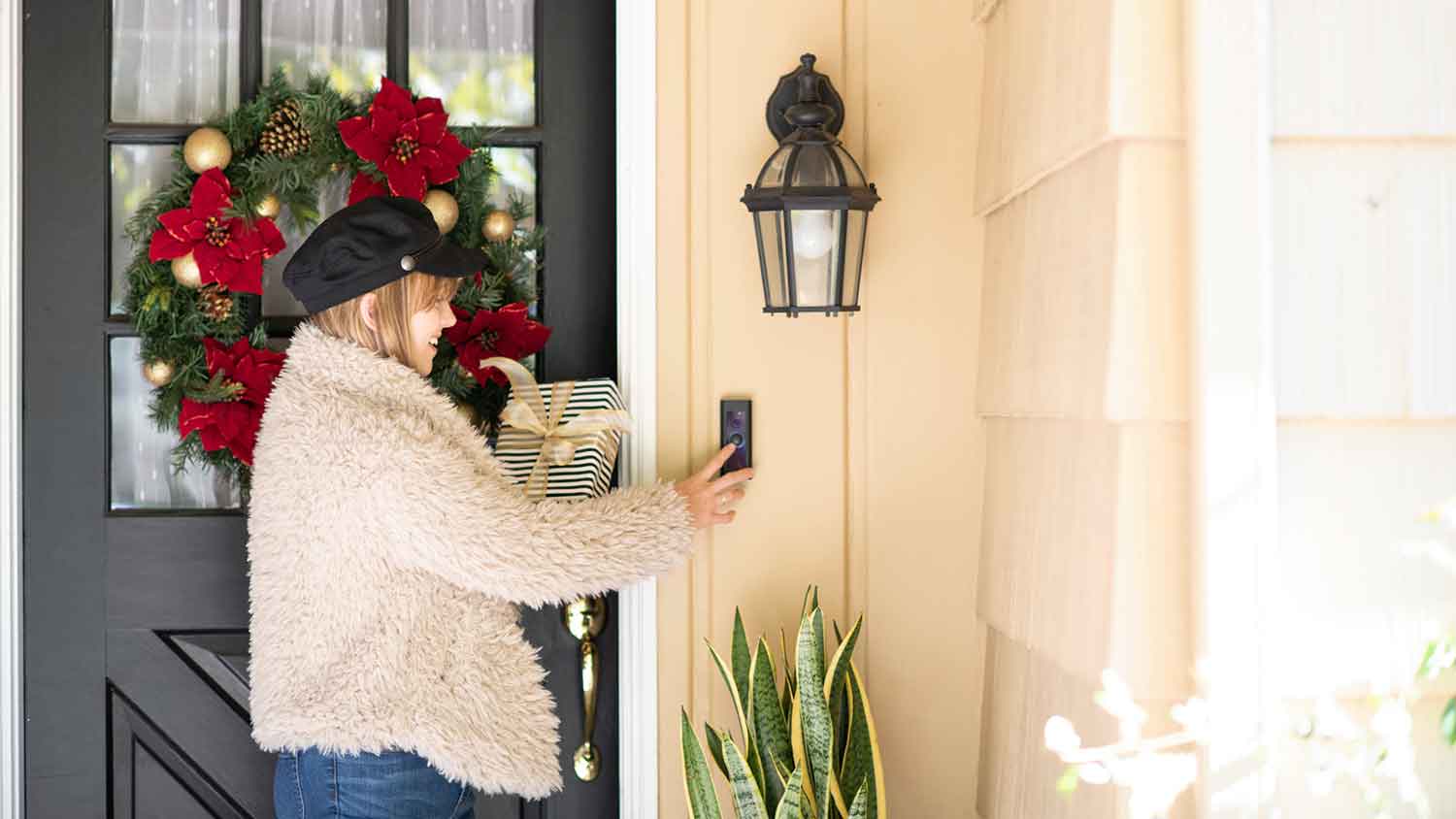
Ring a bell? From replacing a wired doorbell to setting up a smart home system, learn about typical doorbell installation costs, including materials and labor.
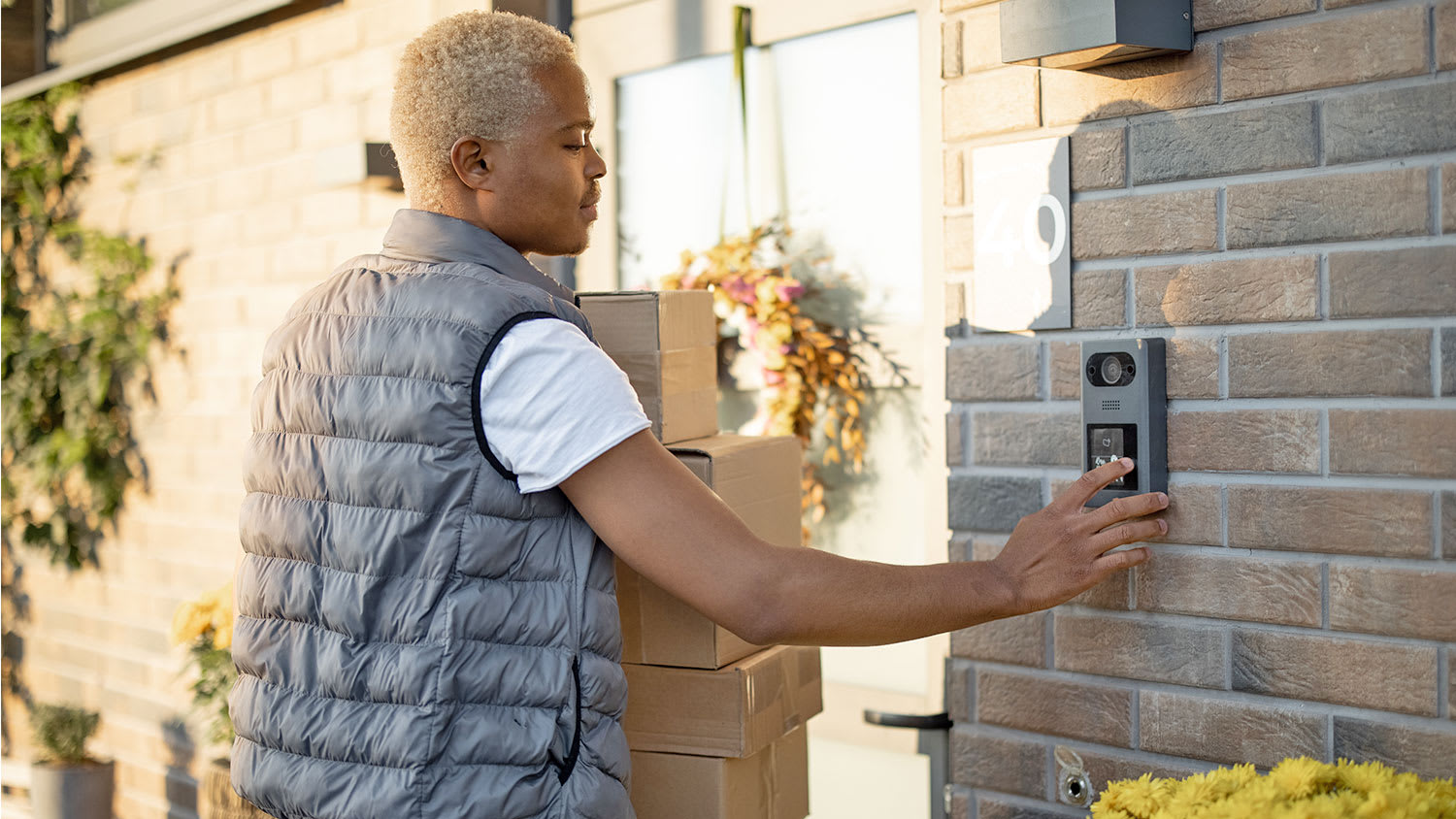
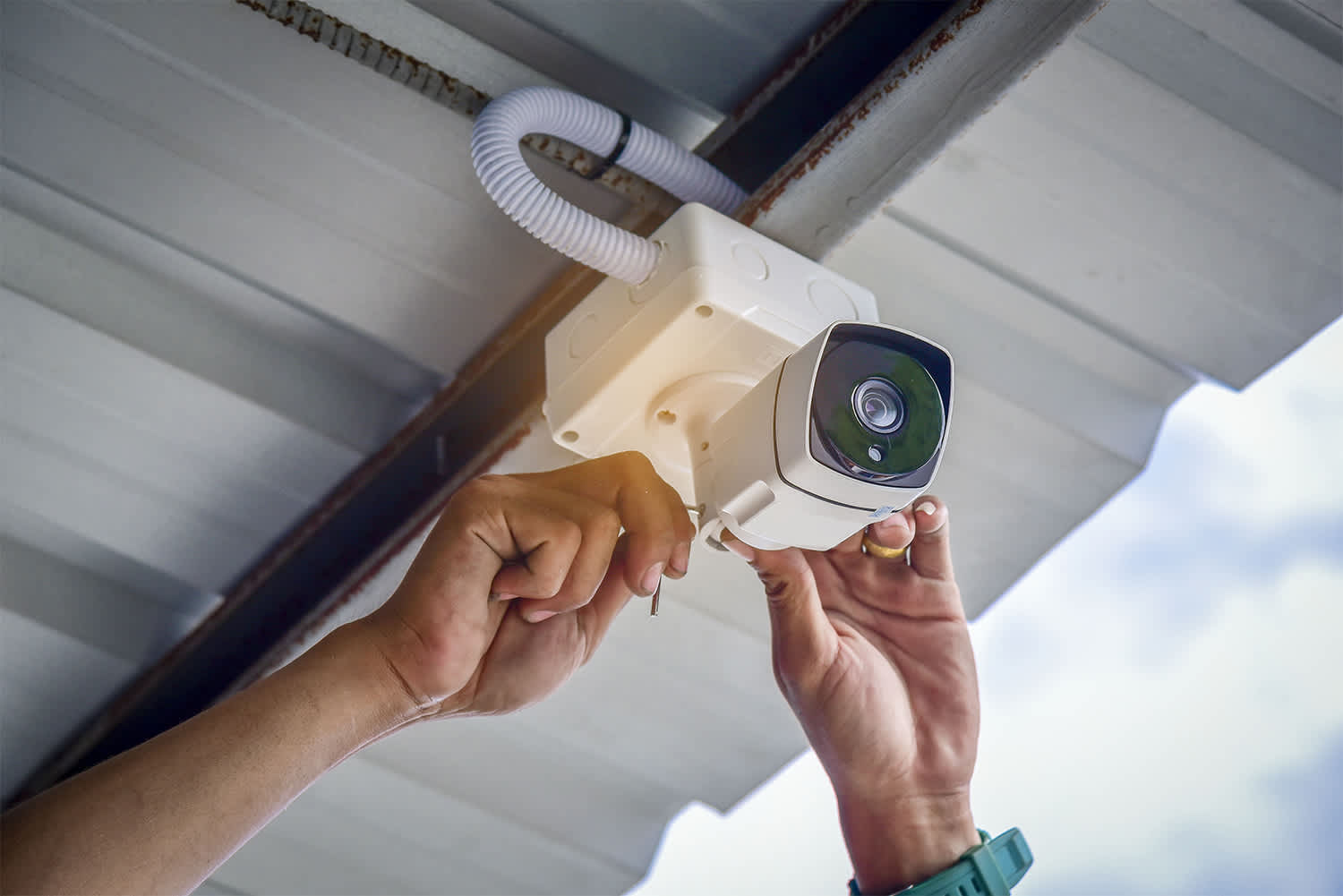
How much does it cost to install a doorbell camera? It depends on whether you plan to DIY or hire a pro. Learn about different models and their power sources, too.
Doorbell wiring is a project you can DIY. This guide covers everything you need to know, from different types of doorbells to wiring, and how to remove an old doorbell.
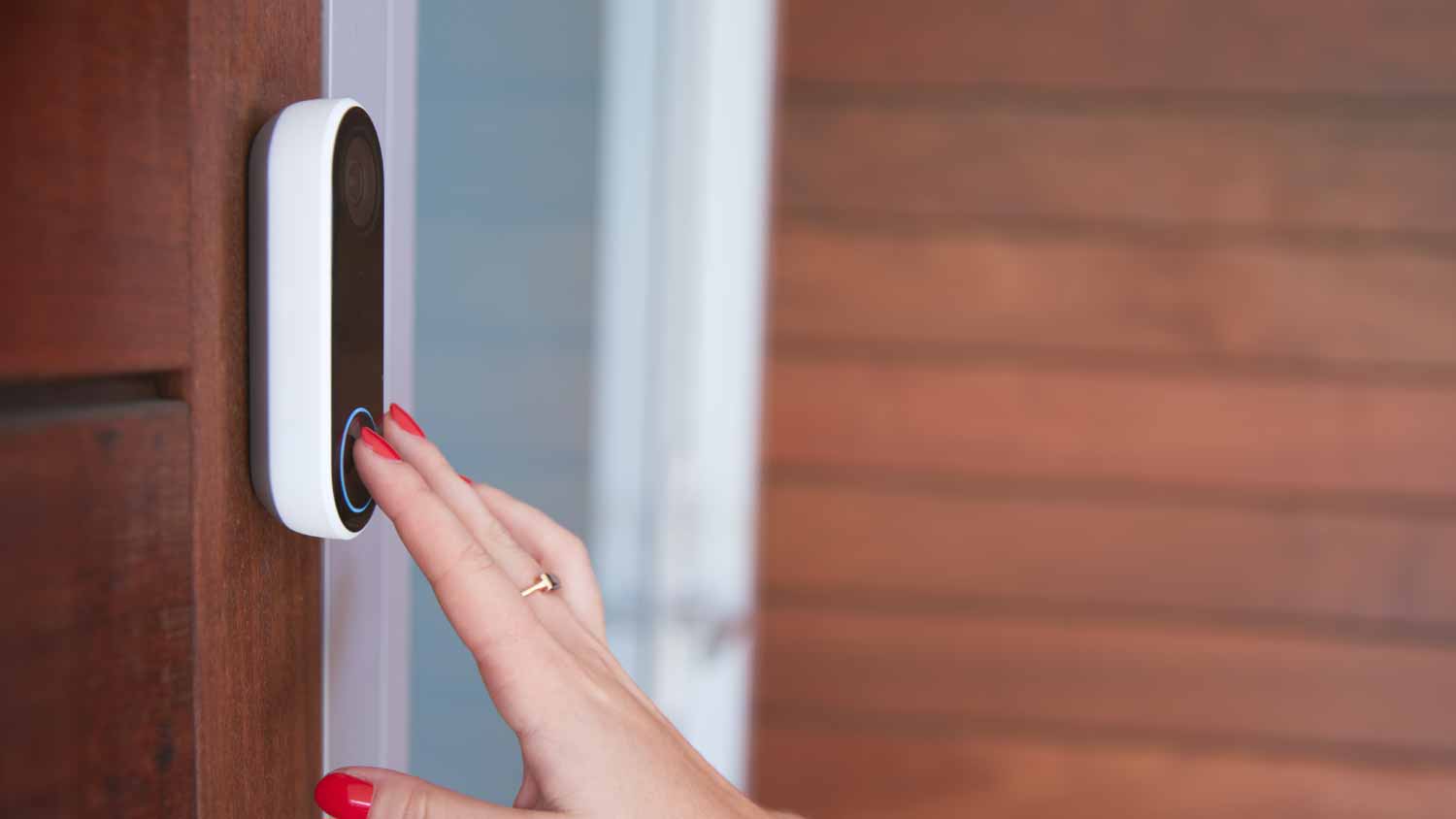
Ready to upgrade your front door and learn how to wire a doorbell? You may be able to handle this relatively simple DIY installation without an electrician.