






Top-rated weed maintenance pros.

Get matched with top weed maintenance pros in Lynn, MA

Enter your zip and get matched with up to 5 pros

Need a pro for your weed maintenance project in Lynn, MA?

Select your specific project to find the pro for you.

TRUSTED BY LYNN, MA HOMEOWNERS

  • Average homeowner rating star icon4.6
    Average homeowner rating
  • Verified reviews icon587
    Verified weed maintenance services reviews

Find Weed maintenance pros in Lynn

No results for Weed maintenance pro in

Try adjusting your search criteria.
Weed Services questions, answered by experts

Whether a one-time spray treatment to control mosquitoes is enough depends on multiple factors. Often, you’ll notice a big difference after one application. However, mosquitoes are likely to return if you don't reduce attractive standing water habitats. This usually takes four to eight weeks if it’s still prime mosquito season.

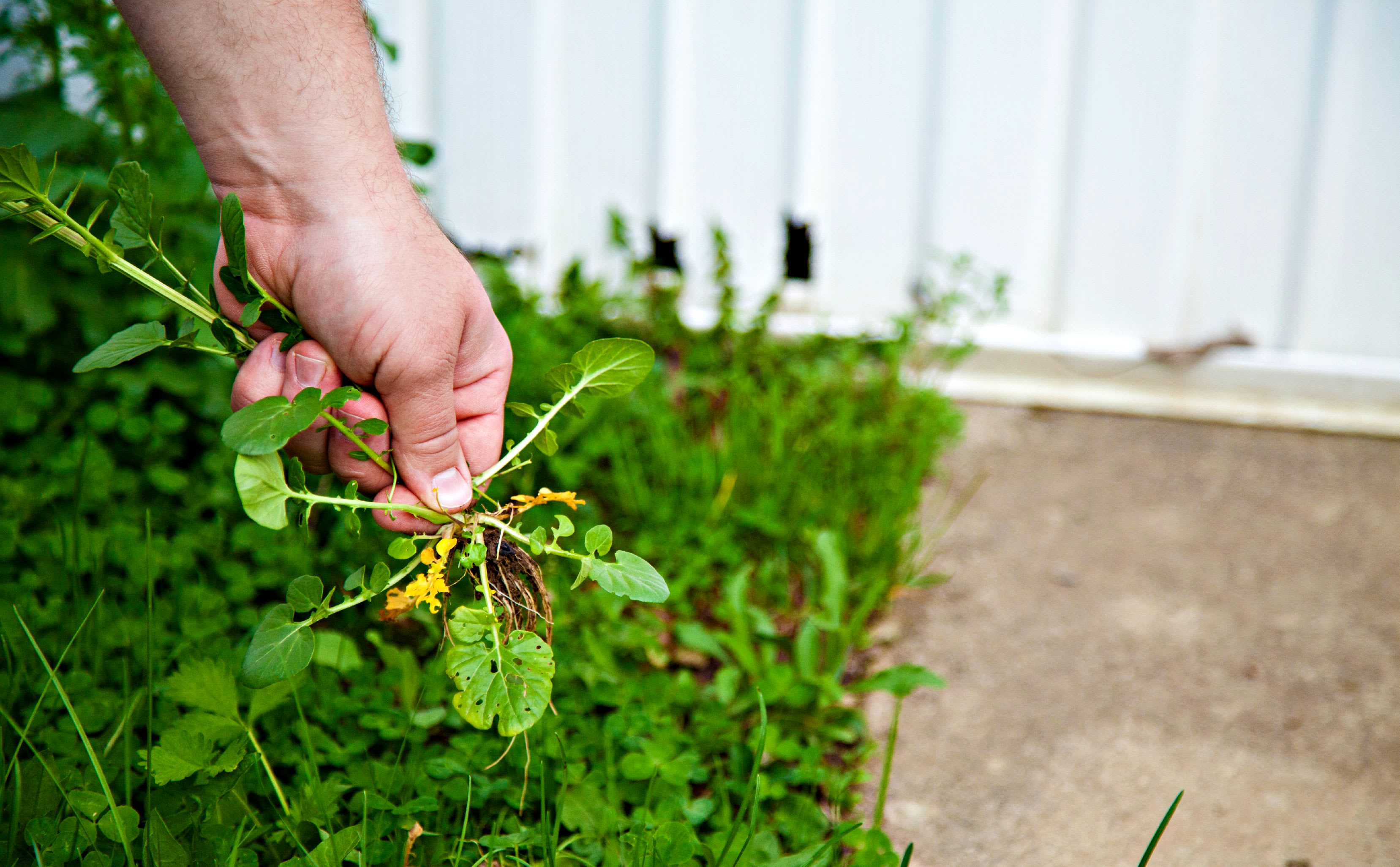
Pulling weeds once per month is typically often enough to keep most weeds at bay. But in general, it's best to pull weeds as soon as you spot them to prevent deep root growth and slow their spread. To make it easier, plan your weed pulling after rain or after the sprinklers run so the soil will be nice and wet and the weeds will be easier to pull. If you notice moss accompanying weeds, make a plan to remove the moss immediately to prevent damage.

Yes, Johnsongrass is a hard weed to kill. It has the ability to grow fast and spread even quicker, so it requires a detailed plan and thorough application to eliminate it. The best plan of action is to kill Johnsongrass while the weed is establishing itself by hiring a lawn care professional or following the steps above. 

Vinegar cannot tell the difference between weeds and desired grass types; it kills everything it touches. Only use a vinegar or vinegar-based solution if you are relatively confident that you can navigate around the plants and grasses you want to keep. Also, don’t spray vinegar on a windy day, or it will blow onto other plants.

Too much clover in your lawn can indicate several issues with your soil. Clover can thrive in soils with abnormally high pH, low-cut grass, and low nitrogen. Amending these issues can push clover out for good.

Hardy perennial clover loves the low nitrogen and compact conditions that often come with poor, infertile soils. But other factors also contribute to a clover explosion, including drought conditions, cool temperatures, under fertilization, and over-irrigation. You’ll need to evaluate all these elements when planning to kill off the clover.
The Lynn, MA homeowners’ guide to weed maintenance services

From average costs to expert advice, get all the answers you need to get your job done.