



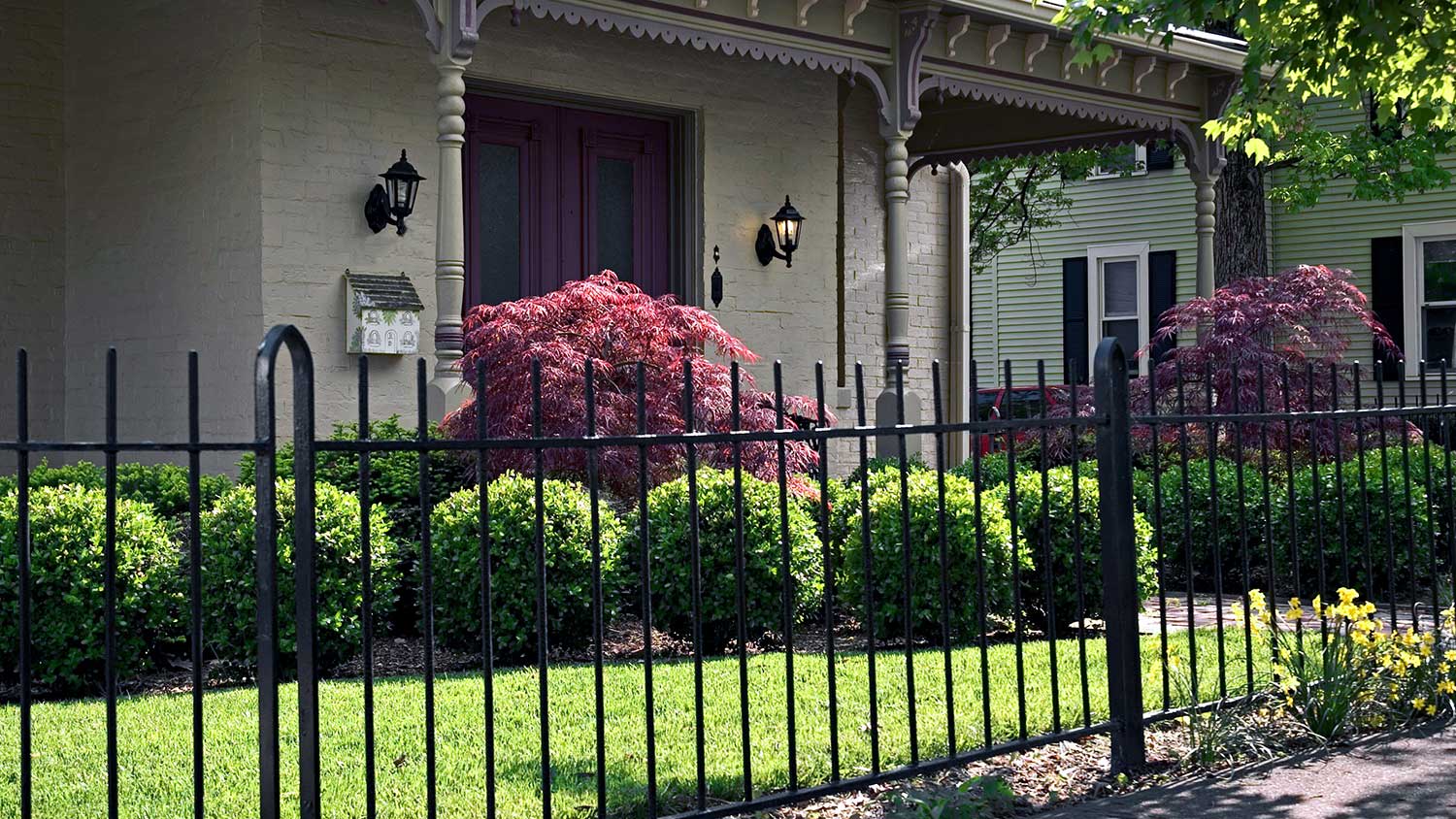
Discover how much wrought iron fence installation costs in Boston, MA, depending on factors like its size, thickness, design, and location.

 4.6
 409
*The Angi rating for Fence Painting companies in Hingham, MA is a rating based on verified reviews from our community of homeowners who have used these pros to meet their Fence Painting needs.
*The HomeAdvisor rating for Fence Painting companies in Hingham, MA is a rating based on verified reviews from our community of homeowners who have used these pros to meet their Fence Painting needs.
Last update on December 20, 2025
From average costs to expert advice, get all the answers you need to get your job done.
Discover how much wrought iron fence installation costs in Boston, MA, depending on factors like its size, thickness, design, and location.
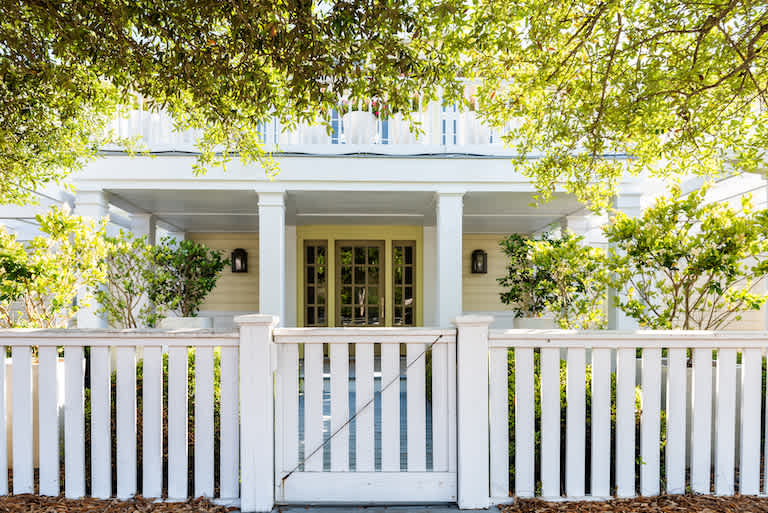
Fence installation costs in Boston depend on the material you choose and your fence’s length. Labor will make up about half of your project. Learn more about fence prices in Boston.
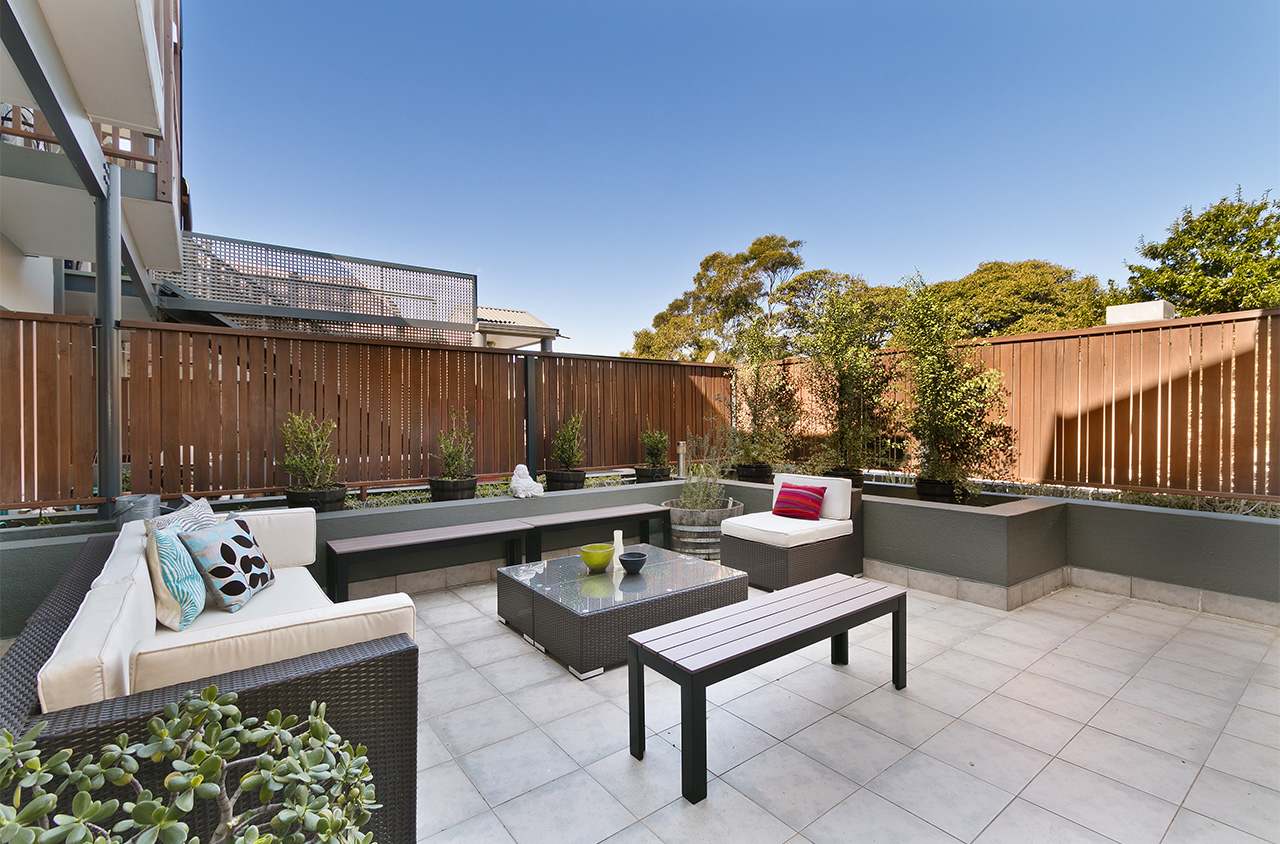
The cost to build a wood fence in Boston, MA depends on the size, material, add-ons, and more. Read this guide to learn how each cost factor impacts the price of a wood fence.
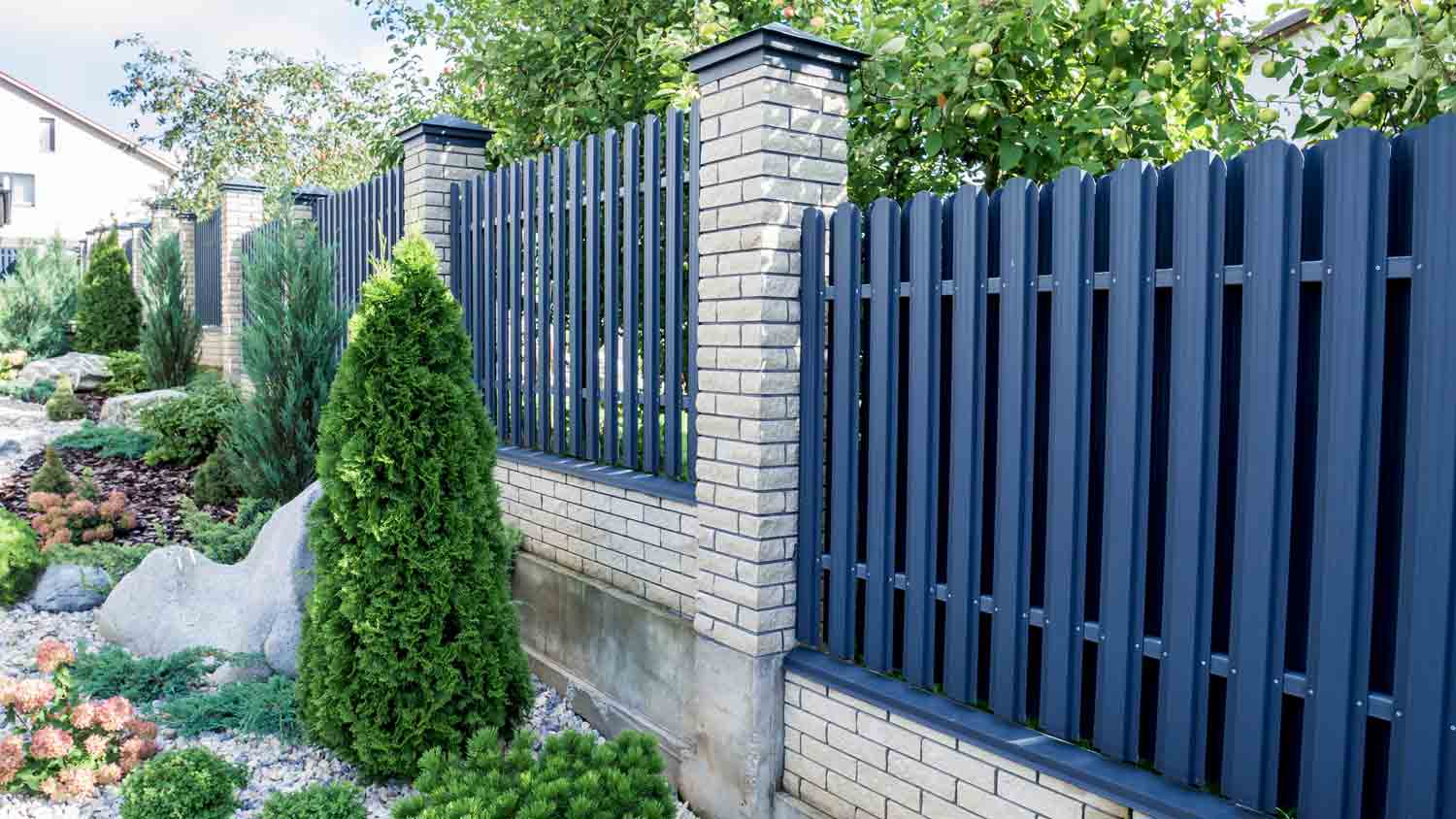
Wondering who to hire to paint fences or who to call for fence painting? Explore pro options, the process, and what to expect before you book.
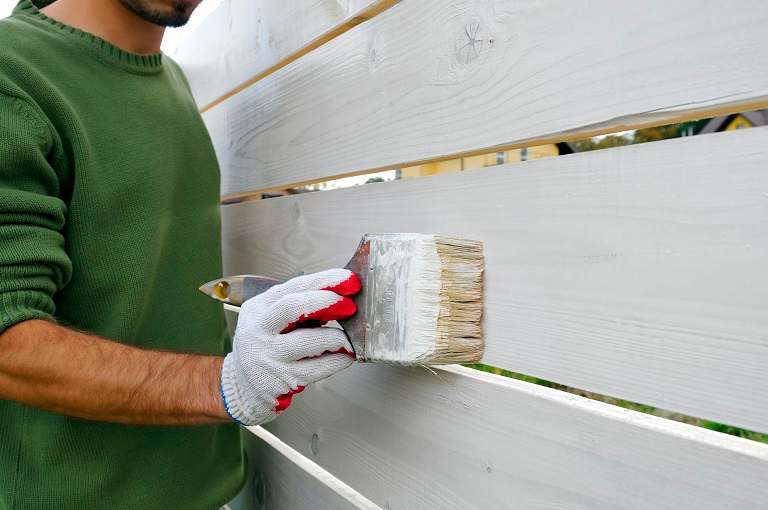
Thinking about fence painting and staining? Learn about material options, costs to expect, and how to hire the right local exterior painter for the job.
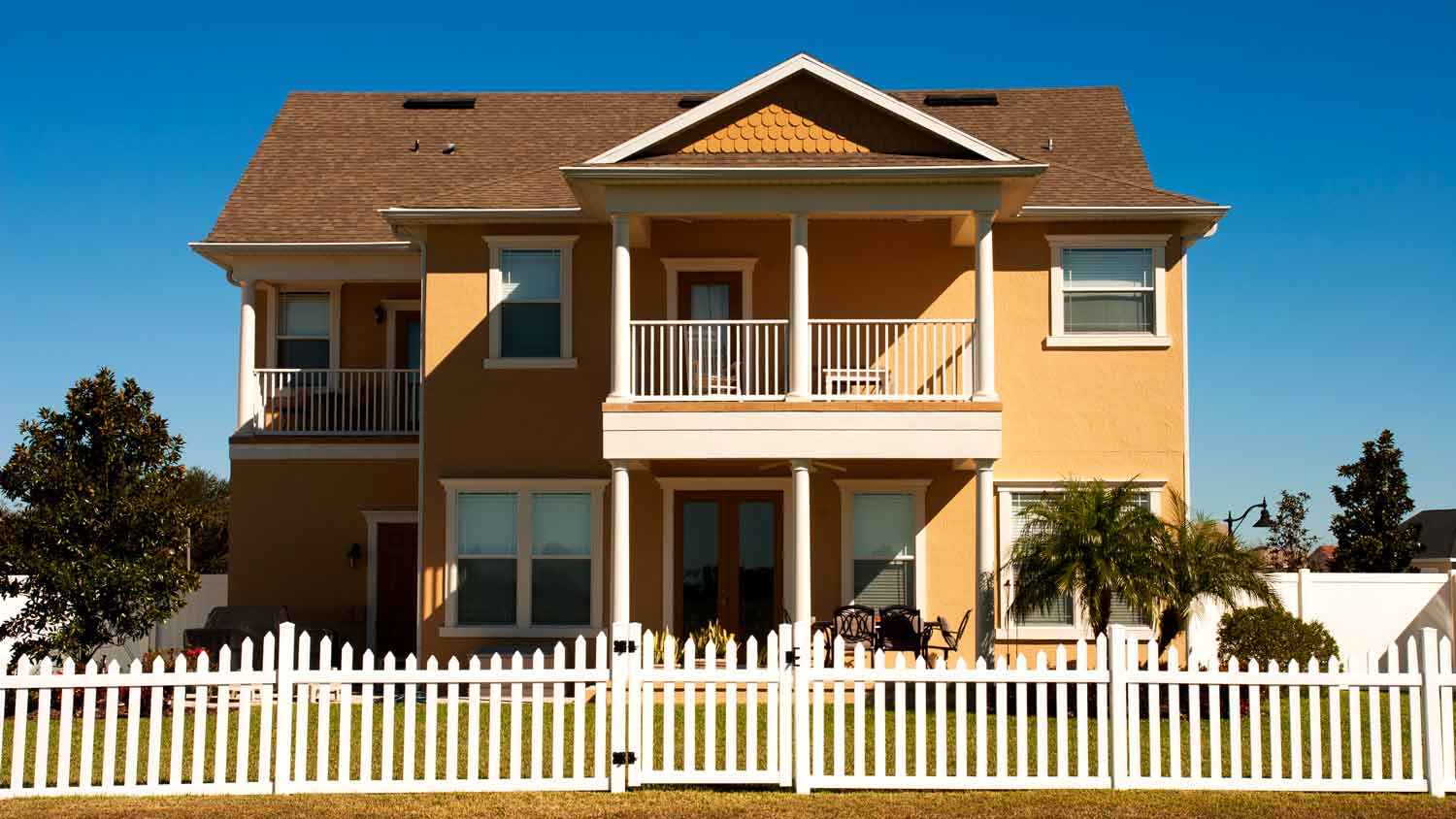
Deciding on the best fence paint color is difficult. This guide will help you choose a shade that creates the right vibe alongside your house color and landscaping.