






Top-rated generator install pros.

Get matched with top generator install pros in Edgartown, MA

Enter your zip and get matched with up to 5 pros

Need a pro for your generator install project in Edgartown, MA?

Select your specific project to find the pro for you.

Find Generator install pros in Edgartown

Avatar for Services & More LLC
Services & More LLC
4.7(
27
)
Portable Generator - Repair

Serving Edgartown, MA and surrounding areas

Approved

Free estimates

Emergency services offered

Warranties offered

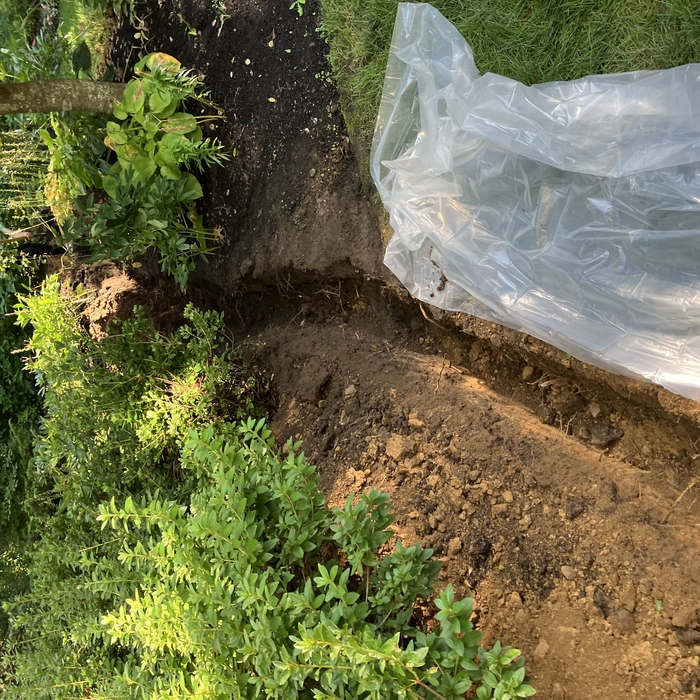
"I hired this company for spring cleanup, and when they got here they were able to do so much more They edged all my beds. They mulched everything. They filled my new raised beds with loam. They cleaned my two ponds. They went way over and above what I expected, I would recommend them highly to anyone. They .were professional. They were courteous. They left nothing behind. It was absolutely the best experience I’ve had hiring someone in a long time. I couldn’t be happier. I would highly recommend them to anyone for any projects."
Furniture Assembly
Bathroom Remodel
Bathroom Remodel
Bathroom Remodel
Bathroom Remodel

+4

109 neighbors recently requested a quote

Avatar for Keding Electric
Keding Electric
4.9(
10
)
Fixed Generator - InstallGenerator - Install - For BusinessPortable Generator - Install

Serving Edgartown, MA and surrounding areas

In business since 2024

Free estimates

Emergency services offered

"I have hired Keding electrical on many projects on my home and the quality, consistency and timing of each project has been too notch. I look forward to working with Keding electrical for many more projects."
Response time8 hrs
Response rate92%
Recommended by40%of homeowners
Showing 1-10 of 28
Generator Install questions, answered by experts

Energy output depends on turbine size, average wind speed at your site, and system efficiency. A 5 kW turbine in a good wind location can generate 8,000 to 12,000 kilowatt-hours per year, which may cover a large portion of an average home’s needs. Accurate output estimates require a professional wind assessment and a review of your household’s energy usage patterns.

Yes, in some locations, it is required by the National Electric Code (NEC) to have a transfer switch installed for electrical emergencies. In addition to following electrical code, generator transfer switches ensure your home is fully protected during a power outage. By switching the power from the main breaker to the generator breaker, you can seamlessly operate your HVAC, lights, appliances, devices, and more during an emergency. 

You may need a permit for a portable generator if you’ll be installing a transfer switch for your primary residence or similar work. Otherwise, a permit for other uses may not be necessary. Check your local building codes or ask a local generator installer for more information about your local regulations.

To determine the right size generator for your house, you should calculate the total wattage of the appliances and devices you want to power during an outage. List all essential items, note their start-up wattages, and add them together.

Here are some typical wattage requirements for common appliances:

  • Refrigerator: 600 watts

  • Large dehumidifier: 700 watts

  • Large window air conditioner: 1,400 watts

  • Water heater: 3,000 to 4,500 watts

  • Electric furnace: 5,000 to 25,000 watts

A 7,500-watt generator might be sufficient for essentials like a refrigerator, freezer, well pump, and lighting circuits. However, for high-demand items like a water heater or furnace, a whole-home generator is a better choice. A portable generator may be enough if you only need to power a few critical items.

While home square footage can offer a rough estimate, it is not always a reliable indicator. For reference, here are some typical generator sizes based on square footage:

  • 1,000 sq ft: 6–9 kW

  • 1,500 sq ft: 7–10 kW

  • 2,000 sq ft: 10–14 kW

  • 2,500 sq ft: 12–16 kW

  • 3,000 sq ft: 16–20 kW+

For the most accurate sizing, consult a professional who can calculate your home's peak and average power consumption and recommend the optimal generator.

It’s usually better to repair your generator if it isn’t working properly, as it will typically be much more affordable and should yield similar results. Generator repairs cost around $300 on average, while installing a new whole-house generator costs around $5,000 on average. The only exception is if you know your generator is reaching the end of its useful life, usually between 30 and 40 years. If you have an older generator, you could face multiple repairs in the coming years, which might mean that a full replacement will be more cost-effective over time.

The Edgartown, MA homeowners’ guide to generator installs

From average costs to expert advice, get all the answers you need to get your job done.