








Top-rated aquarium service pros.

Get matched with top aquarium service pros in Dover, MA

Enter your zip and get matched with up to 5 pros

Need a pro for your aquarium service project in Dover, MA?

Select your specific project to find the pro for you.

TRUSTED BY DOVER, MA HOMEOWNERS

  • Average homeowner rating star icon4.4
    Average homeowner rating
  • Verified reviews icon1k+
    Verified aquarium services reviews

Find Aquarium service pros in Dover

AFFORDABLE MASONRY
4.6(
88
)
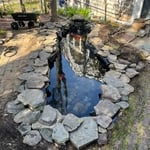
Water Feature - Install a Pond

Serving Dover, MA and surrounding areas

In business since 2003

Free estimates

Emergency services offered

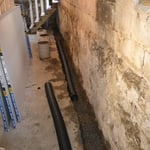
"Very well. The crew did a very thorough job removing the old and damaged mortarwork, and since they used a power washer as well as rock hammers the basement was quite a lot cleaner when they left than when they started. The worked quickly, cleaned up thoroughly, found and fixed more than expected, and completed ahead of schedule and on budget."
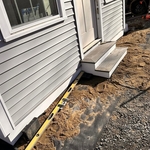
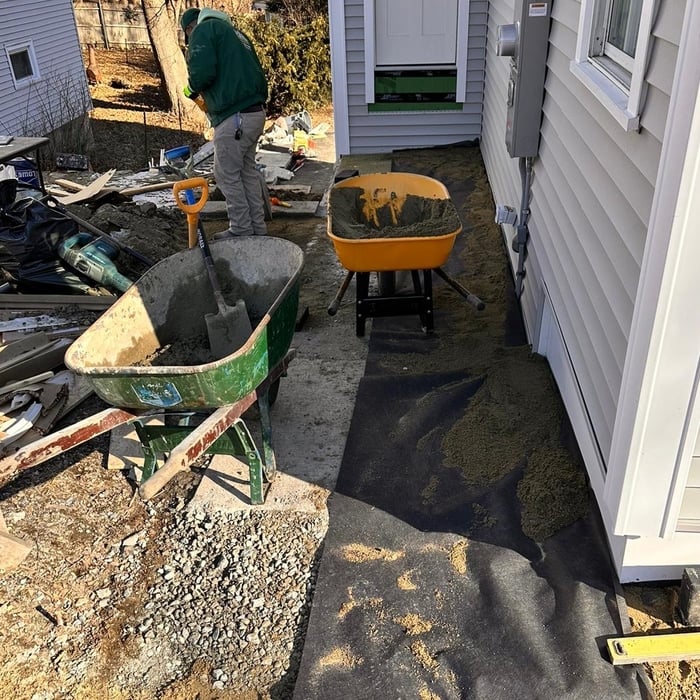
Additional Photos
Additional Photos
Additional Photos
Additional Photos
Additional Photos

+3

Recommended by95%of homeowners
Avatar for Fernando Neiva Services
Fernando Neiva Services
5.0(
4
)
Water Feature - Install a Pond

Serving Dover, MA and surrounding areas

In business since 2014

Free estimates

Credit card accepted

Fernando Neiva Services, LLC is committed to excellence in every aspect of our business. We uphold a standard of integrity bound by fairness, honesty, and personal responsibility. Our distinction is the quality of service we bring to our customers. Accurate knowledge of our trade combined with ability is what makes us true professionals. Above all, we are watchful of our customers interests, and make their concerns the basis of our business.

Response time1 day
Recommended by100%of homeowners

Showing 1-10 of 44
Aquarium Services questions, answered by experts

You could be smelling sewer gas in your kitchen because of a dry P-trap, clogged vent pipe, or leaking plumbing seals. If you smell a rotten egg odor, check your sink’s P-trap and plumbing connections first. A clogged or damaged vent pipe can trap sewer gas and push it back into your kitchen through the plumbing pipes. Loose or deteriorated seals around drainpipes can also allow sewer gas to leak out. If you can’t find the source, call a local plumber for expert help.

Common signs that a septic tank is full include plumbing issues, odors, and changes in your yard. You may notice wastewater or sewage backing up into your home's drains, or that sinks, tubs, and toilets are draining slowly. Gurgling or bubbling sounds from the pipes are also a key indicator. Outside, you might smell foul sewage odors around your house or the septic tank area. Look for pooling water, spongy soil, or a marshy environment around the drain field. Another tell-tale sign is a patch of grass over the septic system that is suddenly lusher and greener than the rest of your lawn. If you notice any of these signs, you should contact a septic professional for an inspection and pumping.

The best times of year to pump or empty a septic tank are spring and fall. Many professionals recommend spring because the ground has thawed, making the tank easier to access, and any snowmelt or rainfall can aid in proper drainage. Pumping before summer is also ideal to avoid conflicts with vacations or outdoor gatherings.

Fall is another great option, as contractors may be less busy than in the spring. Servicing the tank in late fall or early spring can also reduce the risk of overflow from extra precipitation during winter and spring.

While summer is a possibility, winter is generally not recommended. The ground is often frozen, which can make it difficult to access the tank, and the waste inside may also be frozen.

Toilet paper is the only material that you should flush down toilets. Other items like wipes, paper towels, feminine hygiene products, dental floss, and medications should be disposed of in the trash. Flushing these items can lead to plumbing issues and damage to sewage systems. Grease and cooking oils should also be avoided as they can solidify in pipes, causing blockages. Proper disposal helps prevent clogs and ensures the efficient operation of wastewater treatment systems while protecting the environment.

No. You should dispose of all oil-based finishing products through a local hazardous waste program. Not only can oil-based finishes be hazardous for the environment if disposed of in the sink, but they can cause clogs in your pipes and stop up your drains. Most municipal garbage or waste disposal companies have a specific location or pick-up schedule for hazardous materials, so that’s your best bet to get rid of excess finishing products.

The Dover, MA homeowners’ guide to aquarium services

From average costs to expert advice, get all the answers you need to get your job done.