




Top-rated aquarium service pros.

Get matched with top aquarium service pros in Walker, LA

Enter your zip and get matched with up to 5 pros

Need a pro for your aquarium service project in Walker, LA?

Select your specific project to find the pro for you.

TRUSTED BY WALKER, LA HOMEOWNERS

  • Average homeowner rating star icon4.4
    Average homeowner rating
  • Verified reviews icon247
    Verified aquarium services reviews

Find Aquarium service pros in Walker

Avatar for Turf Bros LLC
Turf Bros LLC
5.0(
6
)

Serving Walker, LA and surrounding areas

In business since 1996

Free estimates

Credit card accepted

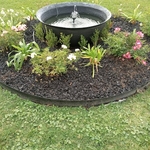
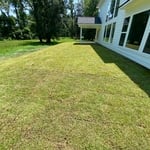
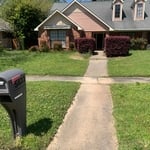
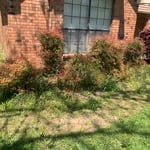
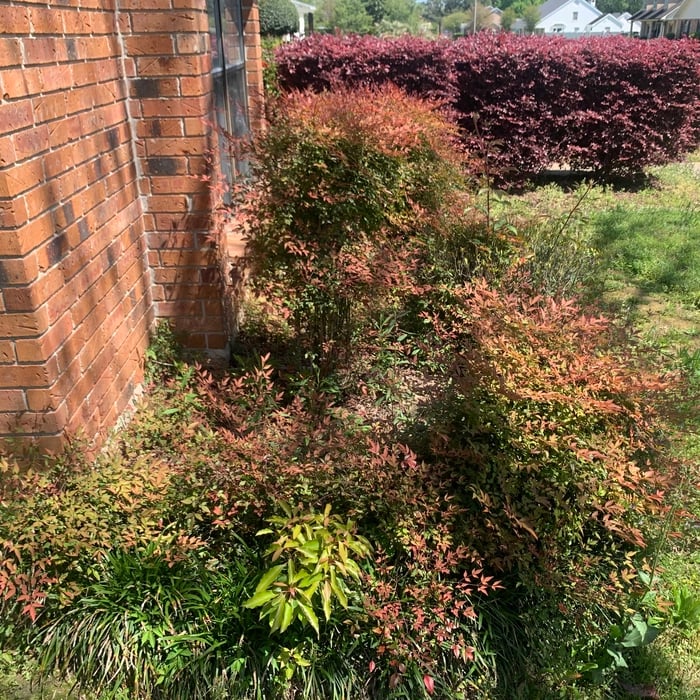
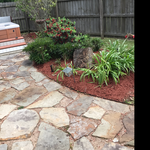
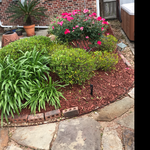
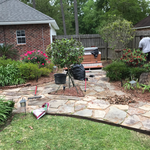
"I am incredibly pleased to have hired Turf Bros to revitalize and beautify our landscaping. Rhasean and his team did an impeccable job manicuring our rose bushes, flower beds, and overall lawn maintenance. He is highly professional, honest, and a delight to do business with. I would highly recommend his service to anyone who is particular and wants extraordinary landscape and or lawn care services."
Landscaping Project
Proposed Design
Landscaping Project
Install per design
Landscaping Project

+8

Recommended by100%of homeowners
Showing 1-10 of 25
Aquarium Services questions, answered by experts

A properly installed and maintained septic drain field (also known as a leach field) can last up to 50 years, though the average is around 20 years. However, factors like poor soil conditions, heavy usage, or improper maintenance can significantly shorten its lifespan to 15-20 years.

To extend the life of your drain field:

  • Schedule Regular Inspections: Have the entire septic system, including the drain field, inspected every two to five years to catch problems early.

  • Protect the Area: Avoid driving heavy vehicles or placing heavy structures over the drain field. Plant only grass or other lightweight vegetation with shallow roots over the area.

  • Maintain the Septic Tank: Proper care of the septic tank, including regular pumping and avoiding harmful chemicals, prevents strain on the drain field.

Be aware of signs of failure, such as strange odors, standing water, or unusually lush grass over the field, which indicate your system may need professional attention.
A septic tank always has some amount of liquid in it—which should usually be 8 to 12 inches from the top of the tank. If the liquid level is higher than that or is overflowing the drainage pipe that leads out to the leach field, the tank may be too full and in need of pumping.

You could be smelling sewer gas in your kitchen because of a dry P-trap, clogged vent pipe, or leaking plumbing seals. If you smell a rotten egg odor, check your sink’s P-trap and plumbing connections first. A clogged or damaged vent pipe can trap sewer gas and push it back into your kitchen through the plumbing pipes. Loose or deteriorated seals around drainpipes can also allow sewer gas to leak out. If you can’t find the source, call a local plumber for expert help.

Using less toilet paper is the easiest way to prevent future clogs. Also, avoid flushing sanitary products, thick paper towels, or hair down the toilet. If you’ve been using a brick in the tank to reduce the water used to flush the toilet, take it out immediately. Bricks will eventually fall apart and clog your toilet drain. Keeping your toilet lid closed also helps avoid future clogs.

You can check your own septic tank, but take precautions. Locate the access lid, usually buried a few inches underground, and remove it carefully. Look for the sludge and scum levels, and if they’re high, that means pumping may be necessary. Check for odors, slow drains, or pooling water around the drain field, which could indicate issues. Never enter the tank, as toxic gases can be fatal. All of that being said, a professional inspection is safer and more thorough.

The Walker, LA homeowners’ guide to aquarium services

From average costs to expert advice, get all the answers you need to get your job done.