



Top-rated asphalt driveway pros.

Get matched with top asphalt driveway pros in Vidalia, LA

Enter your zip and get matched with up to 5 pros

Need a pro for your asphalt driveway service project in Vidalia, LA?

Select your specific project to find the pro for you.

Find Asphalt driveway pros in Vidalia

Avatar for Ford's Concrete
Ford's Concrete
5.0(
5
)

Serving Vidalia, LA and surrounding areas

In business since 2023

Free estimates

Offers commercial services

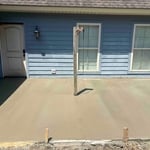
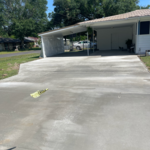
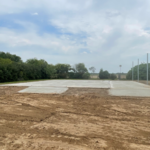
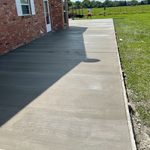
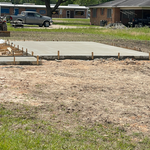
"Mr ford is a very respectable young man and he’s very knowledgeable great prices and great work call him for any concrete job I need . I couldn’t call nobody else after his work"
Driveway
House foundations
Patio
Shop
Shop

+3

Response time2 hrs
Response rate87%
Showing 1-10 of 34
Asphalt Driveways questions, answered by experts

New asphalt typically needs 24 to 72 hours to dry before it can handle light foot traffic and careful driving. Although it may appear solid after a few days, the full curing process, where the asphalt reaches its peak strength, takes much longer—generally from 30 days to a year.

During this extended curing time, the surface remains relatively soft and can be damaged by heavy vehicles, sharp objects, or high temperatures. To protect your investment, it's best to avoid parking heavy machinery on the asphalt until it has fully cured.

The exact time required for drying and curing depends on several factors, including the weather, the specific asphalt mix, and its thickness. For the most accurate advice tailored to your situation, consult with your asphalt contractor.

The average cost of 1,500 square feet of asphalt ranges from about $10,500 to $22,500, depending on location, thickness, base material, and how accessible the job site is to crews and equipment. Keep in mind that your asphalt material cost may vary depending on its type, ranging from porous asphalt to heated blacktop. Standard asphalt costs $7 to $13 per square foot.

Asphalt and tarmac are not the same thing. Traditional tarmac, short for tarmacadam, uses tar as a binder to hold crushed stone together. Asphalt uses bitumen—a byproduct of crude oil—to bind aggregate. Though tarmac was once a go-to for roads, asphalt has become the modern standard. And these days, most surfaces referred to as “tarmac” are actually asphalt. So, while the names may overlap, the key distinction lies in the binder—tar for tarmac and bitumen for asphalt.

The material that’s best for your private road depends on your property, the climate in your area, and your personal preferences. Gravel is an affordable option, but some homeowners don’t like how it looks. It can be a pain to remove snow from, and it requires more ongoing maintenance than asphalt or concrete. However, while these other options require less maintenance and make snow removal a breeze, they’re more expensive and will need repairs from time to time. Ultimately, you’ll have to choose the road material that suits you and your property best.
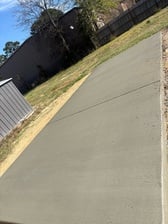
Gravel is the cheapest way to extend a driveway. Gravel is an affordable, practical option that’s easy to install and perfect for DIY projects, helping you save on labor costs. It can be quickly spread and leveled to create extra driveway space without heavy preparation. While gravel doesn’t offer the same durability or finished look as concrete or asphalt, its low cost makes it ideal for budget-conscious homeowners who want a functional solution without overspending.
The Vidalia, LA homeowners’ guide to asphalt driveway services

From average costs to expert advice, get all the answers you need to get your job done.