





Top-rated energy efficiency auditors.

Get matched with top energy efficiency auditors in Start, LA

Enter your zip and get matched with up to 5 pros

Need a pro for your energy efficiency auditing project in Start, LA?

Select your specific project to find the pro for you.

Find Energy efficiency auditors in Start

Energy Efficiency Auditing questions, answered by experts

No, it isn’t necessary to have energy-efficient windows. However, if you care about your energy bill and making your windows more energy efficient, fixing any heat, UV, or air transfer issues is an excellent way to lower your bills and keep your house cooler in the summer and warmer in the winter.

Thankfully, LED lights use less electricity than incandescent lights, meaning you won’t spend as much on utility bills by using these light strips. Each 5-meter LED light strip will cost about $3 per year on your energy bill.

A home energy audit costs about $420 on average, with prices ranging from $100 to $2,250 or more. The final cost depends on factors like your home's size, location, the thoroughness of the audit, and the specific tests performed. A basic Level 1 walk-through inspection typically costs between $150 and $200, while a comprehensive Level 3 audit with detailed testing and a report costs around $900. Homeowners may be able to use the 2022 Inflation Reduction Act’s Energy Efficient Home Improvement credit to cover up to $150 of the audit cost.

Costs for common individual tests include:

  • Blower door test: $350

  • Duct testing: $100

  • HERS test: $375

  • HERS certification: $200

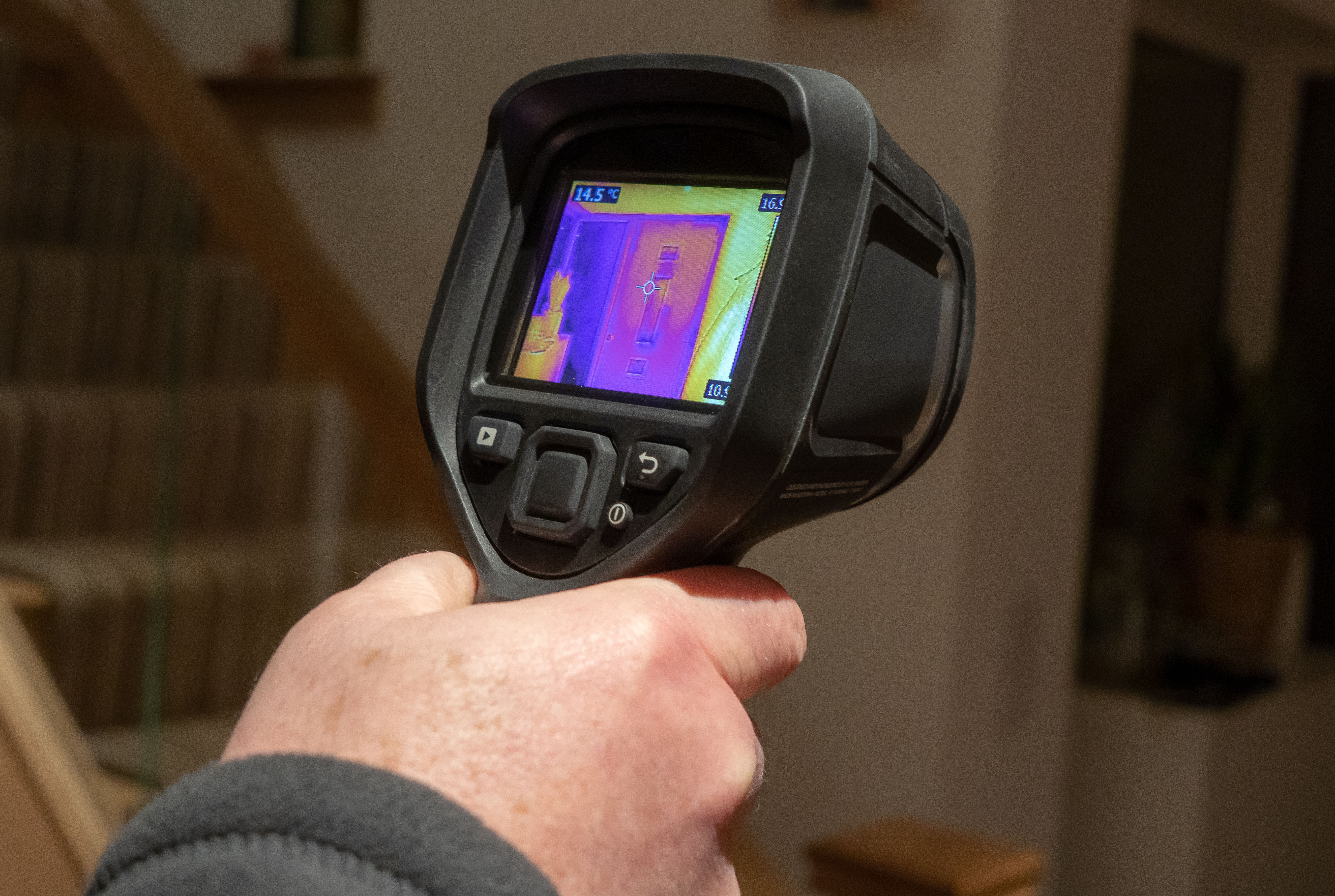
  • Infrared imaging: $200

Dehumidifiers typically use 300 to 700 watts of electricity per hour, whereas portable dehumidifiers use about 40 watts per hour. The exact amount of electricity your dehumidifier will generate depends on its capacity and energy efficiency. Generally, higher-capacity dehumidifiers generate more electricity than lower-capacity units, but they also usually have better energy efficiency over the long run.

There is no blanket figure for a residential home’s electrical load, since load varies by the size of the home, how many appliances are used, and the efficiency of their electrical systems. Typically, however, it’s safe to assume 40 to 60 amps is the average electrical load of a residential home. 

The Start, LA homeowners’ guide to energy efficiency auditing services

From average costs to expert advice, get all the answers you need to get your job done.