



Top-rated tree service pros.

Get matched with top tree service pros in Schriever, LA

Enter your zip and get matched with up to 5 pros

Need a pro for your tree service project in Schriever, LA?

Select your specific project to find the pro for you.

TRUSTED BY SCHRIEVER, LA HOMEOWNERS

  • Average homeowner rating star icon4.7
    Average homeowner rating
  • Verified reviews icon53
    Verified tree services reviews

Find Tree service pros in Schriever

Avatar for SureCatch Industries Llc
SureCatch Industries Llc
5.0(
8
)

Serving Schriever, LA and surrounding areas

In business since 1994

Free estimates

Emergency services offered

"He was extremely helpful and very efficient. His work was mindful of all surroundings. He to care of all the trees, cleaned up, left everything better than before. I highly recommend his service to everyone! I can’t praise him enough!"
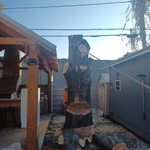
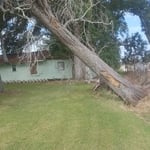
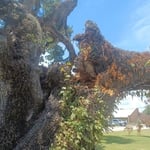
Additional Photos
Additional Photos
Additional Photos
Additional Photos
Additional Photos

+2

Recommended by100%of homeowners
Avatar for Treelife Tree Service
Treelife Tree Service
New to Angi

Serving Schriever, LA and surrounding areas

I been cutting trees all my life I can do removal trim hazards and I do storm work for FEMA and I have Skidsteer and bucket truck dump trailer. I just got here a few months ago and interested in resident and commercial service Let me do what may do you in?

Avatar for American Tree Experts LLC
American Tree Experts LLC
5.0(
2
)

Serving Schriever, LA and surrounding areas

In business since 2019

Emergency services offered

Credit card accepted

"It was wonderful and I had no complaint. They showed up on time and cleaned up after themselves. I would use them again and they were very professional. I couldn't be happier with their services."
Recommended by100%of homeowners
Showing 1-10 of 38
Tree Service questions, answered by experts

There are many signs that a tree is diseased or dying, and if you suspect that’s the case, you should call an arborist immediately. You might notice rot or fungus on the trunk or that the tree is beginning to lean to one side. Brittle branches or signs of root damage are other indicators that a tree is in trouble. If the tree is dying, it might be time to cut the tree down so it doesn’t fall.

The best time to transplant a tree is when it is dormant. For many trees, this means either in the fall after the leaves have dropped (around October or November) or in early spring before new growth begins (around March). The ideal timing can depend on the type of tree. Deciduous trees do well when moved in early spring or fall, while evergreens are best transplanted in early spring or late summer. For example, pine trees are best moved in early fall, but maples prefer late fall. Avoid transplanting in winter, as the frozen or hard, cold soil poses a significant risk to the roots and prevents the tree from acclimating properly.

Using Epsom salt to kill a tree stump typically takes between six and 12 months. While this may seem like a long time, it is significantly faster than the natural decomposition process, which can take up to seven years. This method is a viable DIY option for stumps that do not pose an immediate hazard. If you need a faster solution, you can hire a professional for stump removal or grinding, though this may cause more damage to the surrounding ground.

Transporting a fully-grown tree requires heavy equipment, typically specialized for the task. A tree spade is a truck-mounted tool that removes the tree from the ground in one location, transports it, and places it in a new hole in a new location. A combination of mechanized shovels and lifts is necessary to move very large trees, and the exact tools often depend on location and the surrounding area.

Whether tree roots will continue to grow after a tree has been cut down depends on the species. Some tree roots will eventually die because they can no longer get nutrients through photosynthesis. However, other species that reproduce through root sprouts can continue to grow and produce new sprouts for seven years or more. For example, the roots of elms, ficus, and willows tend to regrow aggressively, while the roots of pines, oaks, and maples will typically die. To determine if a root system is still active, look for new sprouts on the old trunk, stump, or any exposed roots.

The Schriever, LA homeowners’ guide to tree services

From average costs to expert advice, get all the answers you need to get your job done.