




Top-rated tree service pros.

Best tree service pros near Raceland, LA

Enter your zip and get matched with up to 5 pros

Need a pro for your tree service project in Raceland, LA?

Select your specific project to find the pro for you.

TRUSTED BY RACELAND, LA HOMEOWNERS

  • Average homeowner rating star icon4.8
    Average homeowner rating
  • Verified reviews icon33
    Verified tree services reviews

Top-Rated Tree service pros in Raceland - Updated Nov 2026

Avatar for Pops Handyman Service
Pops Handyman Service
New to Angi
Tree Stump - Remove

Serving Raceland, LA and surrounding areas

Approved

Free estimates

Emergency services offered

Warranties offered

Hi im Jesse former Husband and Father for 30+years. I have seen and fixed just about everything that can possibly break or fail inside and outside a home. From installing Floors to making ceilings repairs. Framing and sheetrock installation, replacing doors external and internal. I can haul anything from Vehicles to trash and furniture. I'm a mobile Mechanic also from brake jobs to tune ups and other repairs. Cutting grass, weed eating, Thanks God Bess.

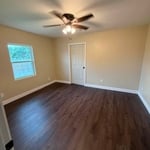
Finished master Bedroom
Master Bathroom
Master closet
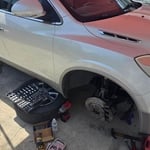
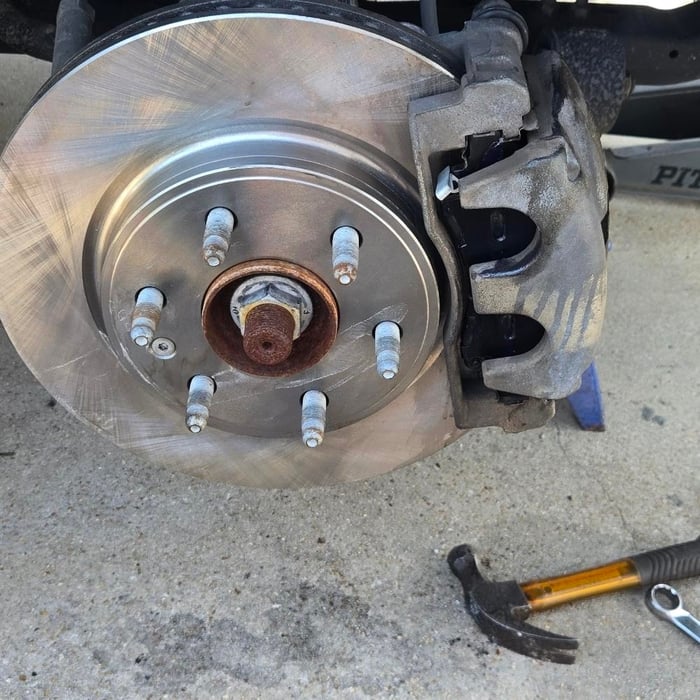
(Mechanic) Lori Brakes

+8

...
Showing 1-10 of 52
Tree Service FAQs, answered by experts

If you’re planning on keeping the tree, unless the roots are invasive, there’s no need to remove them, as doing so can cause damage to the tree. If the tree has been cut down and the stump and roots are left, grinding and removing the stump can cause root decay for some species. For other species, the stump and roots will need to be removed to prevent pests, disease, and possible tree regrowth.

White vinegar does not kill ivy on trees because its acetic acid concentration is not high enough to overpower it. Vinegar is an effective herbicide for weeds and other plants, but not for the strength of most ivies, including poison ivy and English ivy. You should use an herbicide to kill ivy, such as one with glyphosate, imazapyr, or triclopyr.

In most ways, palm trees are incredibly low-maintenance. They don’t need a ton of water—which is why they’re so beloved in desert regions—and they basically prune themselves. But they do need an ample supply of sunlight and to be in soil that will allow for proper drainage so that their roots don’t become waterlogged and at risk of developing illnesses.

If the plant begins to wilt, develop spots, or change color, these could all be signs that your palm tree has a disease. But a few basic treatments, like pruning and applying fungicide, will usually be more than enough to return it to perfect health.

Trees that flower in the spring—like dogwood, cherry, magnolia, and pear—should not be pruned during the winter. These spring-flowering plants grow buds on old growth, so you’ll actually remove what would’ve been gorgeous flowering foliage. Instead, wait to prune until right after they bloom, when the flowers fade.

Some trees will bounce back just fine, and others will struggle and possibly die. Evergreens, for instance, have a very difficult time recovering after droughts and usually die after periods of extreme dryness. Usually, you’ll have to just wait and see—if the drought occurs in wintertime, it’s possible that your tree will recover during the gentler springtime.

The Raceland, LA homeowners’ guide to tree services

From average costs to expert advice, get all the answers you need to get your job done.