


Top-rated arborists.

Get matched with top arborists in Schriever, LA

Enter your zip and get matched with up to 5 pros

Need a pro for your arboricultural service project in Schriever, LA?

Select your specific project to find the pro for you.

TRUSTED BY SCHRIEVER, LA HOMEOWNERS

  • Average homeowner rating star icon4.8
    Average homeowner rating
  • Verified reviews icon77
    Verified arboricultural services reviews

Find Arborists in Schriever

Avatar for SureCatch Industries Llc
SureCatch Industries Llc
5.0(
8
)

Serving Schriever, LA and surrounding areas

In business since 1994

Free estimates

Emergency services offered

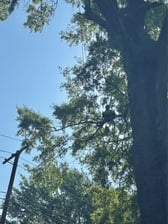
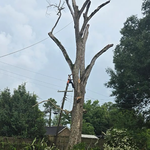
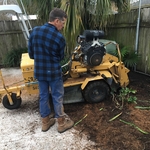
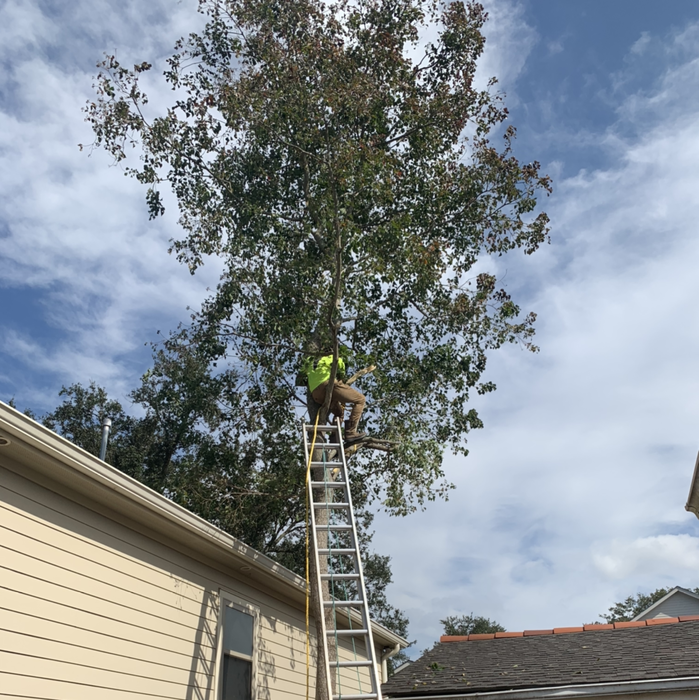
"Excellent job! I have used this company several times from tree trimming to complete tree removal with stump grinding. They have always been professional and careful with my property and leave everything completely cleaned up and beautiful."
Additional Photos
Additional Photos
Additional Photos
Additional Photos
Additional Photos

+2

Recommended by100%of homeowners
Showing 1-10 of 39
Arborists questions, answered by experts

An arborist specializes in tree care, performing tasks such as pruning, treating diseases, and removing hazardous trees. They also assess soil conditions, plant trees, and develop landscaping plans to ensure healthy growth. They also manage debris cleanup, inspect equipment, and record maintenance activities. Arborists often collaborate with landscapers and professional tree maintenance services, applying their specialized knowledge and problem-solving skills to maintain tree health and safety.
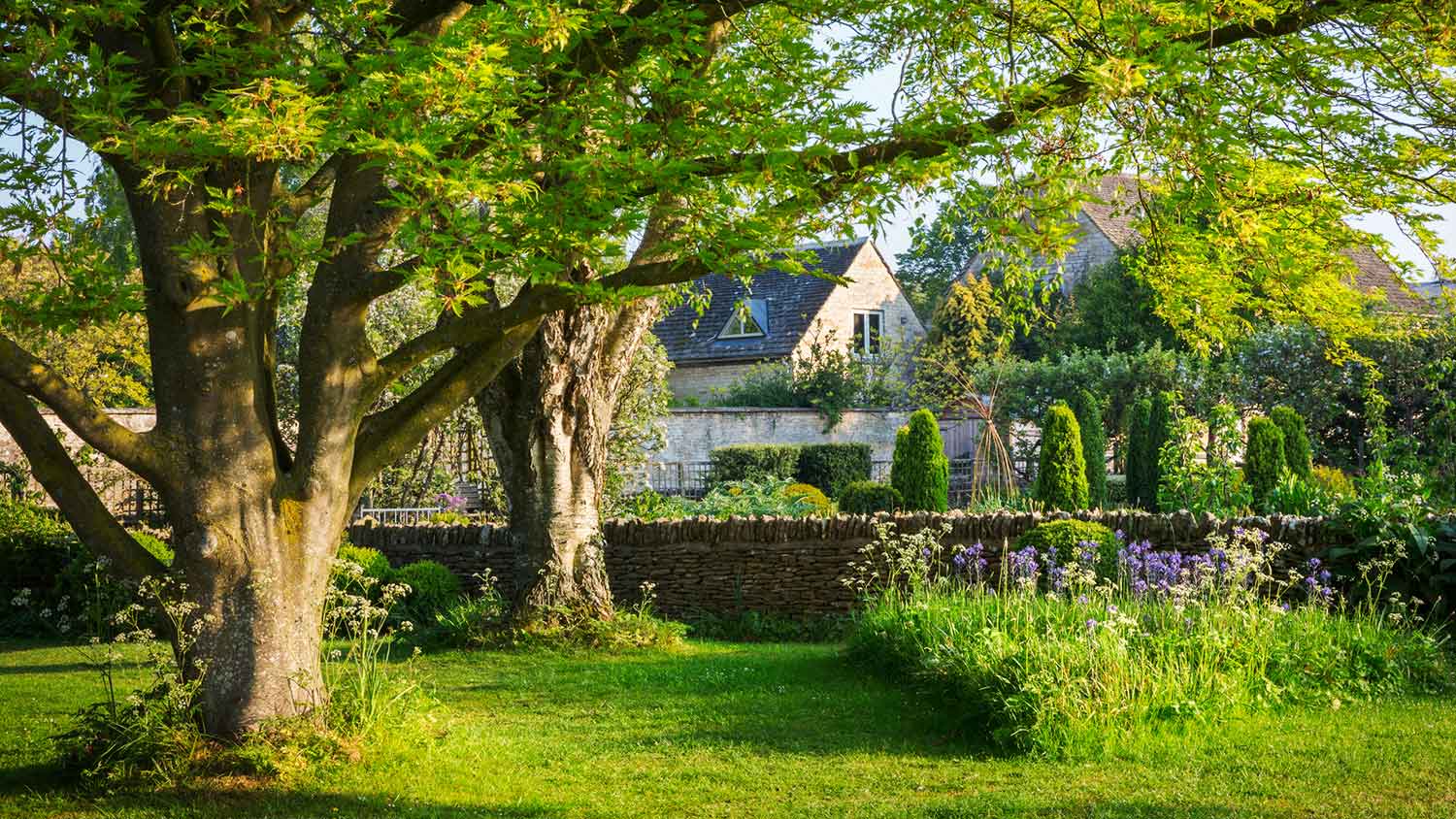
In most cases, leaving tree roots underground is not a problem if the stump has been removed or ground below the soil. However, some larger roots may decompose, leaving dents in your soil. Additionally, some aggressive trees, including willows, oaks, elms, maples, and poplars may grow back from roots. Large aggressive trees with established root systems are more likely to grow back.
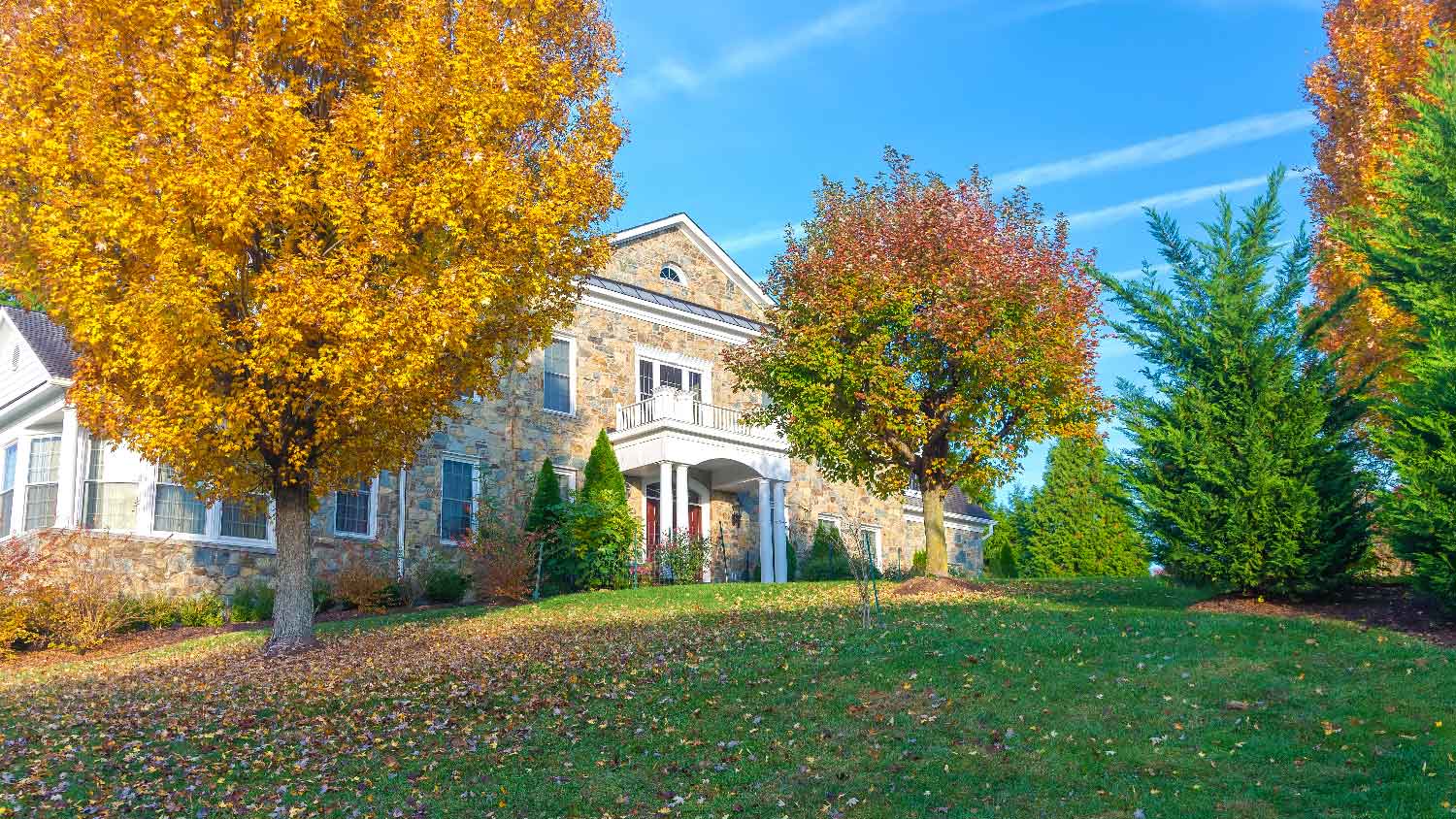
Completely topping a plum tree is a risky business. Cut too much, and you’ll kill your tree. That said, you do need to trim the top of your tree to encourage bushy growth, maintain your tree’s vase shape, and limit size. 

A plum tree's central leader (or trunk) should never extend more than 3 feet above the highest branch. When you first plant your tree, cut the central leader so it’s 2 to 3 feet tall. As it grows, cut it back 12 to 20 inches until it reaches its desired height. Never prune more than one-third of the new growth.

You need to remove all branches affected by Dutch elm disease. If your tree has several affected branches, you will probably need to remove the entire tree. First, consult a pro to be sure that you’ve correctly identified it as an elm tree. Make sure the tree is properly disposed of with a plastic covering or through debarking, chipping, or burning.

Your local government is usually in charge of pruning trees on public property, and the power company is responsible for trees near power lines (even if they’re on your property). Whether or not they top these trees depends on their approach to pruning. You won’t be able to do much to control this, but you can contact them to find out more about their pruning process.

The Schriever, LA homeowners’ guide to arboricultural services

From average costs to expert advice, get all the answers you need to get your job done.