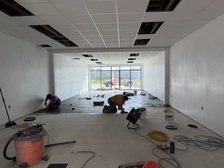
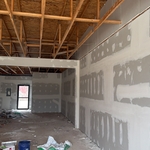
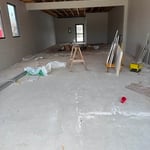
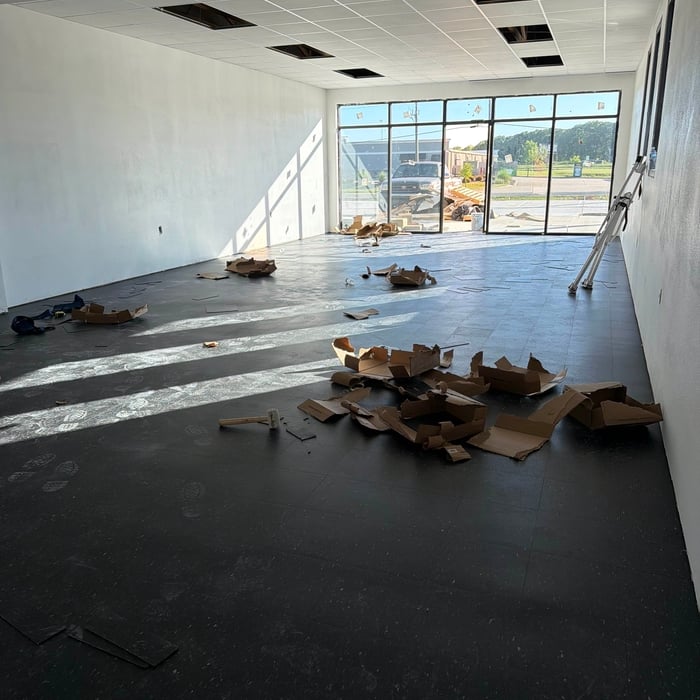
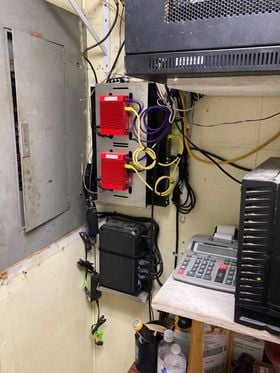
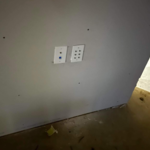
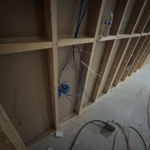
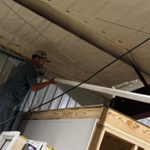
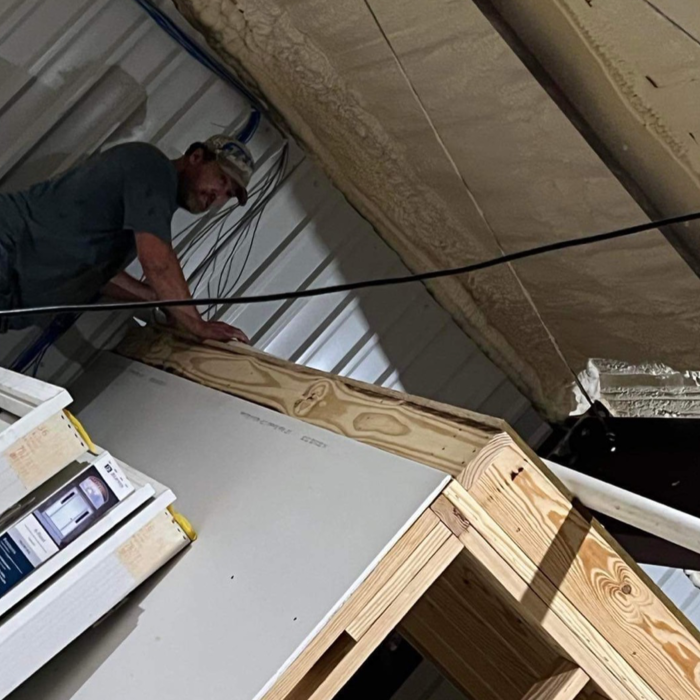
"The owner and his team successfully installed a metal roof and a complete bathroom, which included a walk-in shower with a sliding door, new floor tiles, a toilet, a vanity, an exhaust fan, and fresh paint, all completed within seven days. The owner was actively involved, providing regular updates and explanations throughout the process. We are highly satisfied with both the new roof and the bathroom renovation."
Southern Standard Outdoor Services is a premier, locally owned and operated outdoor property maintenance company based in Magnolia, Arkansas. Built on the core values of integrity, quality craftsmanship, and reliable Southern hospitality, we specialize in transforming and maintaining residential and commercial properties. From robust, beautiful fencing repairs to meticulous, year-round lawn care, we set the "Southern Standard" for outdoor excellence in Columbia County and the surrounding areas.
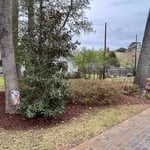
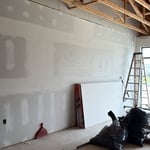
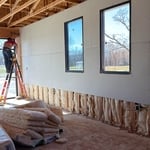
I’m working professionally in carpentry, flooring Sheetrock, texture, Frayming, ceiling, painting and renovation. \nCommercial and residential \nExperience in renovation hotels, building and house \nLandscaping work and tree services
From puzzles to entertainment centers, furniture cabinets and more, I love putting anything things together. If it starts in a thousand pieces, and comes together as one. This is my favorite hobby. If you absolutely don't know where to start and find it frustrating to assemble all these little pieces, help me help you! I will have the most fun while you have less stress!
Hello and welcome,\n\nMy name is Cameo Buckn, and I am a lifelong resident of North Louisiana. As a dedicated family man with a wife and child, Iunderstand the importance of dependable, honest service and treating every customer with respect.\n\nFor over 10 years, I have proudly served the Shreveport/Bossier area while working full-time with the local utility company in Shreveport. Along the way, I have developed strong hands-on experience in assembly, repairs, maintenance, and general handyman services.\n\nAs I begin building my own business, my focus is on providing quality workmanship, reliability, and excellent customer service. I take pride in every project I accept and believe in being upfront and honest with my customers. If a job is outside of my expertise, I will let you know rather than waste your time or money.\n\nMy goal is not simply to chase profits, but to build a trusted business and long-term relationships through hard work, integrity, and dependable service. Thank you for you
Tyler's handyman services is a locally owned and operated company that values honesty and integrity and treats your home as if it were our own. You will find us to be competitively priced while still paying close attention to the details of each and every project we are involved with. We look forward to building lasting relationships and guarantee your satisfaction. Give us a call today to get your project started.
Wheeler Services is committed to excellence in every aspect of our business. We uphold a standard of integrity bound by fairness, honesty, and personal responsibility. Our distinction is the quality of service we bring to our customers. Accurate knowledge of our trade combined with ability is what makes us true professionals. Above all, we are watchful of our customers' interests, and make their concerns the basis of our business.
"The crew at Barhambuisness services where extremely Knowledgeable respectful and hard working they installed my cameras fast I am very pleased with their work."
Army veteran, single father of 5, and a man who built this from real life experience, hard work, & a desire to serve people. Previously my work was ministry, helping others, and doing whatever work was needed to take care of my family and community. After becoming a single father, that calling naturally turned into a business built on service, integrity, and showing up when people need help.\n\nToday, M.U.S.E. Professional Services provides professional outdoor and property services throughout Minden and North Louisiana area. We specialize in tree work, stump grinding, brush clearing, storm cleanup, minor repairs, property maintenance, and general outdoor & interior solutions with years of hands-on experience in construction, repairs, and problem-solving.\n\nTreating people fairly, honestly, and quality work I can stand behind are daily principals. I know what it means to work hard for every dollar, and I bring that mindset to every project.\n
We are extremely passionate about the work that we do. You can depend on us to provide a high quality service at a fair and honest price. We understand that the future of our business depends upon our reputation and that is why customer service is by far our highest priority. If you are looking for a professional you can trust, please call today to schedule a no-obligation estimate!
Fire Pit Installation questions, answered by experts
Whether or not your attic ladder needs to be fire-rated depends on your local building codes, so it’s best to check with your municipal office. However, if your ceiling meets a fire requirement, your attic ladder should as well. There are benefits of opting for a fire-rated ladder. For one, thanks to their fire-resistant material, they'll help protect your home from fire spreading from your attic, if one should break out.
You should have either an ABC or K-rated fire extinguisher in the kitchen. ABC fire extinguishers put out wood, trash, paper, plastic, and textile fires along with grease, oil, gas, kerosene, and electrical fires. A class K fire extinguisher is specifically rated for use in the kitchen and is designed to extinguish combustible cooking materials, including grease and fat.
Yes, a hot or overheating outlet is a fire hazard and can cause a fire. An outlet becoming hot indicates an electrical problem, such as an overloaded circuit, loose connections, or a faulty component. The heat from these issues can ignite nearby flammable materials like curtains or furniture. If you notice an outlet is hot to the touch, turn off the power at the circuit breaker, unplug any connected devices, and consult a qualified electrician. If a fire does start, use a Class C fire extinguisher or baking soda to suppress it, or evacuate immediately and call the fire department.
A fireplace hearth is necessary in most areas per building codes, especially for gas and wood-burning fireplaces. Electric fireplaces may not require a hearth, so check local building codes or ask a pro for guidance if you’re leaning toward electric. A fireplace hearth can decrease the risk of flying embers creating a fire and burning your home down. That’s why fireproof material, like tile, is used for the hearth.
Yes. It’s okay to leave a pellet stove on overnight, and these stoves can provide 24 to 48 hours of warmth from one ignition. However, you should practice proper pellet stove maintenance, like cleaning the burn pot before each use, deep cleaning the unit at least once per year, and running the fan when the stove is lit.
The Sarepta, LA homeowners’ guide to fire pit installation services
From average costs to expert advice, get all the answers you need to get your job done.
A fire pit installation costs $850 on average but can vary by size, fuel type, materials, and more. See how much you need to budget for a new fire pit.
Discover fire door cost data, including installation, materials, and tips to save. Learn what impacts fire door pricing and how to budget for your project.
Discover home fire sprinkler system costs, including installation, maintenance, and key cost factors. Learn how to budget and save on your home fire protection.
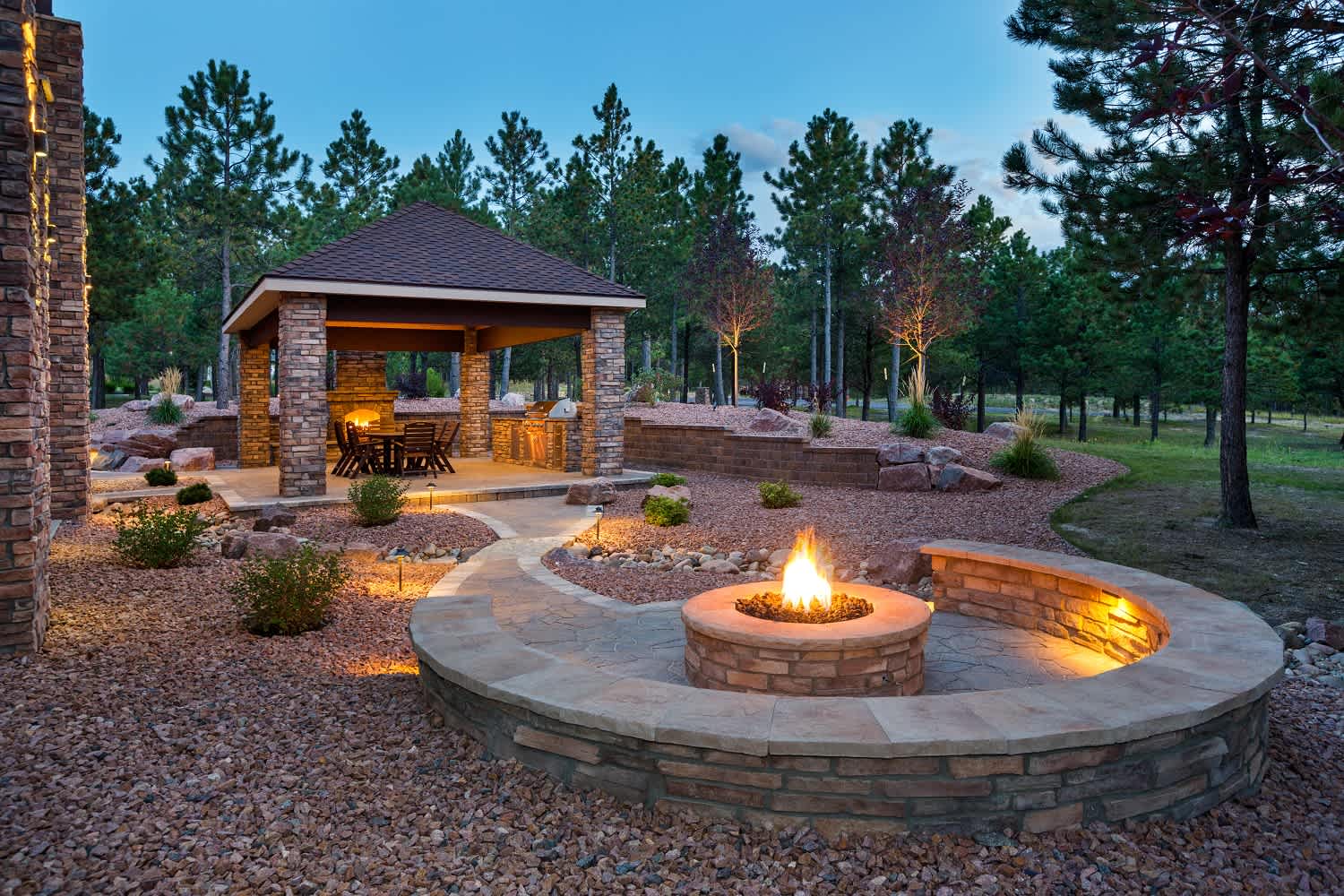
A fire pit adds attractive entertainment space to your backyard. Learn about standard fire pit dimensions and what factors contribute to fire pit size.
If you’re interested in buying a fire pit, you will likely be considering gas or wood. But what are the pros and cons of each? Find out if a gas or wood fire pit is right for you.