

Top-rated fire pit installation pros.

Best fire pit installation pros near Saint Gabriel, LA

Enter your zip and get matched with up to 5 pros

Need a pro for your fire pit installation project in Saint Gabriel, LA?

Select your specific project to find the pro for you.

TRUSTED BY SAINT GABRIEL, LA HOMEOWNERS

  • Average homeowner rating star icon4.6
    Average homeowner rating
  • Verified reviews icon307
    Verified fire pit installation services reviews

Top-Rated Fire pit installation pros in Saint Gabriel - Updated Nov 2026

Avatar for Alpha-n-omega1llc
Alpha-n-omega1llc
New to Angi
Handyman for Multiple Small Projects

Serving Saint Gabriel, LA and surrounding areas

Approved

Free estimates

Emergency services offered

Credit card accepted

My name is Corey Roberts and I've been in the construction industry for 20+ years. I do all types of construction and renovations. We also provide outdoors projects as well. My company was large scale with over 20 employees but over the years we've scaled down to approximately 5 employee's. Covering a 50-65 miles radius taking on small projects that take 1-3 days to complete. Large scale jobs we may partner with another small construction company.

...
Showing 1-10 of 215
Fire Pit Installation FAQs, answered by experts

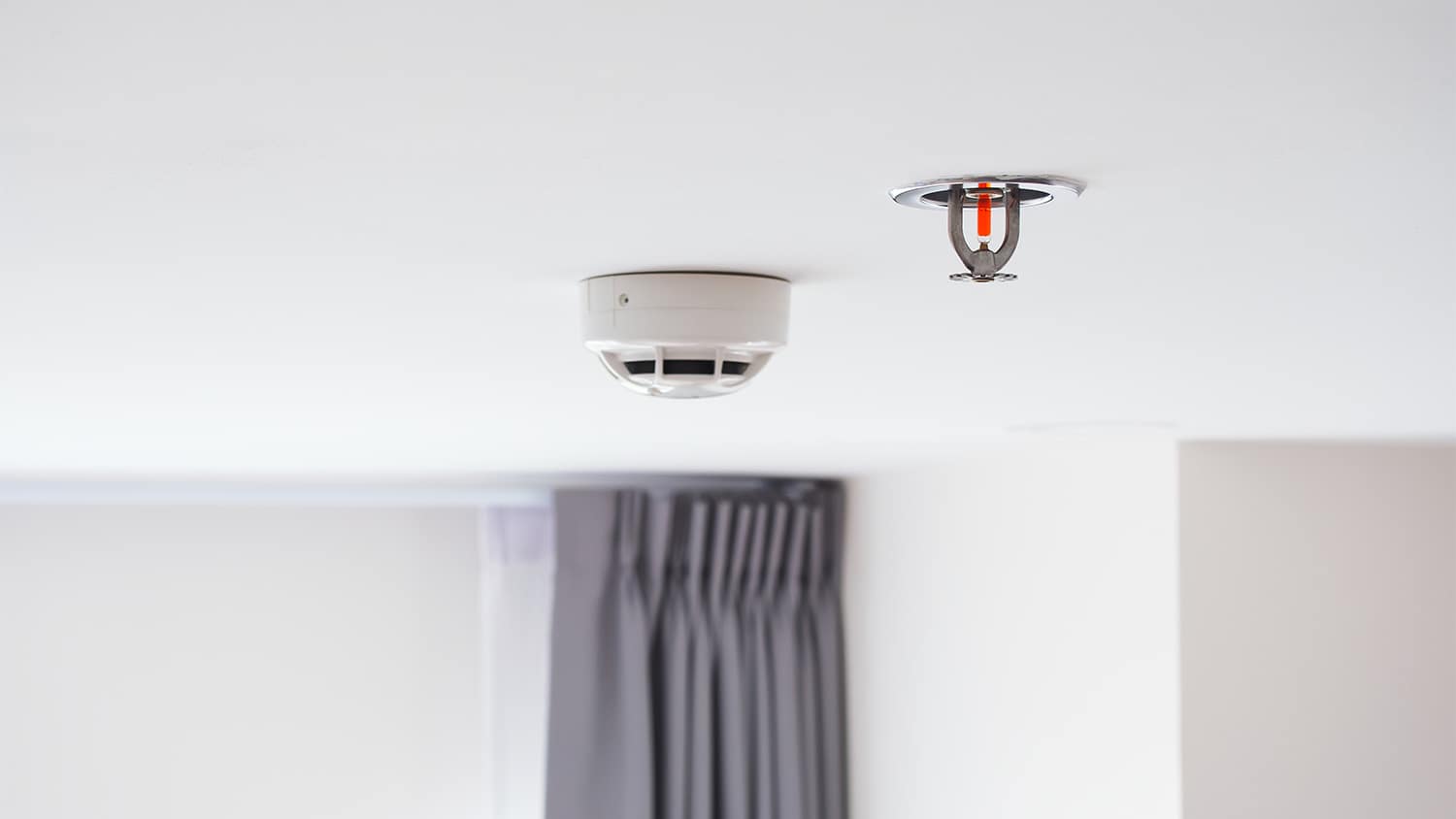
A home fire sprinkler system reduces heat, flames, and smoke within seconds. Fire sprinkler systems hide in walls with sprinkler heads running along the piping throughout your home.

When the air surrounding a sprinkler reaches a specific temperature, the heads closest to the fire activate and release anywhere from 10 to 25 gallons of water per minute.

Yes, a hot or overheating outlet is a fire hazard and can cause a fire. An outlet becoming hot indicates an electrical problem, such as an overloaded circuit, loose connections, or a faulty component. The heat from these issues can ignite nearby flammable materials like curtains or furniture. If you notice an outlet is hot to the touch, turn off the power at the circuit breaker, unplug any connected devices, and consult a qualified electrician. If a fire does start, use a Class C fire extinguisher or baking soda to suppress it, or evacuate immediately and call the fire department.

You can let a fire burn out in a fireplace as long as you or someone else will stick around to monitor it until it goes completely out. This may take several hours. To prepare, stop adding fuel to the fire well before you’re ready to call it a night. If you’re using the fireplace for warmth, you’ll want to cover up in some blankets as the flame dies down.

A chimney liner isn’t required for an outdoor fireplace; you don’t technically need one if the masonry chimney uses the proper dimensions and is built to code. However, a chimney liner does serve as a protective coating for the flue. Adding a liner could improve performance, safety, and durability. In short, while not necessary, it wouldn’t hurt.

Yes, it’s worth capping a chimney. Here are several reasons to install a chimney cap:

  • Keep out rain, snow, wildlife, and other debris

  • Help prevent chimney fires

  • Reduce your chimney’s exposure to moisture

  • Maintain your chimney flue liner

  • Help reduce energy bills by helping regulate your home’s temperature

The Saint Gabriel, LA homeowners’ guide to fire pit installation services

From average costs to expert advice, get all the answers you need to get your job done.