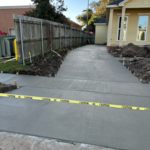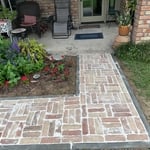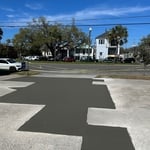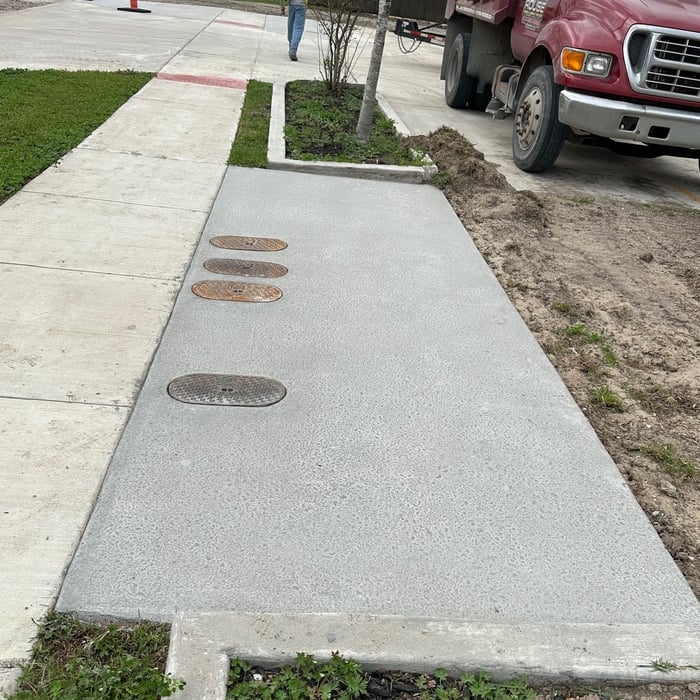




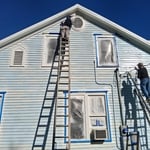
"They did a great job. I needed the work done right away and they very accommodating. The crew arrived promptly, they were friendly and knowledgeable, answering any questions that I had. The work was very thorough and I am pleased with the outcome."
"The job was done perfectly. The workers that did the service were all very professional, informative and left my property looking better than before. Can’t wait to start on my next project. Thank you Mr. Lionel!"
"Exceeded expectations and very pleased with the service from the front office down to the actual men who fixed my problem! Very service and customer oriented! J Parker"
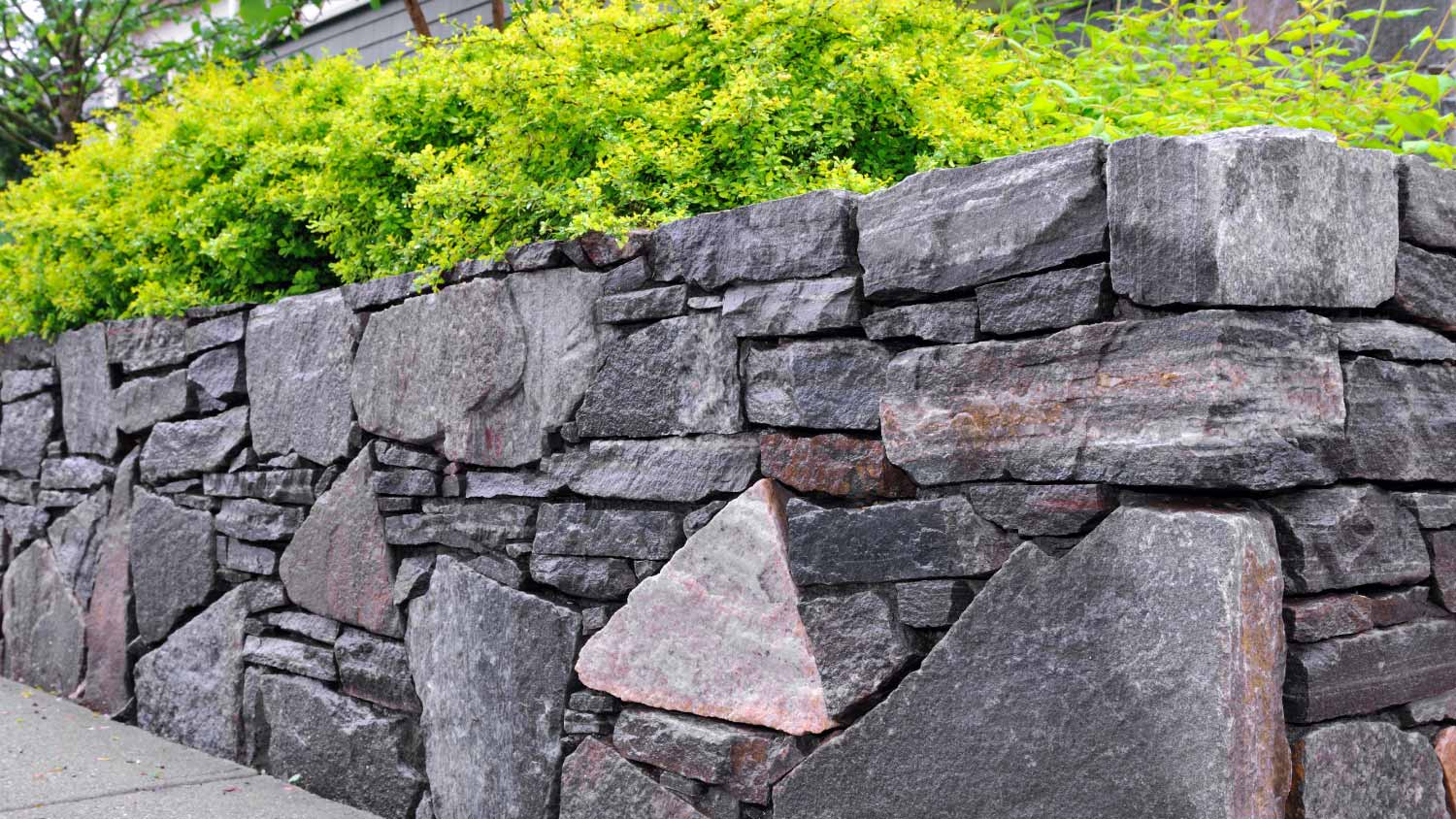
Real stone is exactly what it sounds like: It’s real stone sourced from the earth without additives. It is durable and unique, but it’s difficult to work with because of its weight, challenge in sourcing, and high cost. Stone veneer mimics the look of real stone but is actually engineered with a mixture of Portland cement, natural minerals, and a colorant. While it’s more affordable and easier to work with, it’s less durable and may appear manufactured to the trained eye.
Yes, concrete is significantly stronger than masonry, especially if the concrete pour includes reinforcements, like steel rebar. Concrete is a uniform material that can withstand compression, sheer force, and tensile force as long as it’s reinforced. Masonry involves the use of mortar or grout to connect individual building materials, like brick, stone, or tile. Mortar and grout are also reasonably strong and resist compression well, but they don’t come close to the strength of poured concrete.
The best color to paint a brick fireplace comes down to personal taste. However, neutral colors—like white or gray—will open the space and create a bright modern look, making them popular options. However, choosing a bold color can turn your fireplace into a feature piece that will be the talk of all family gatherings.
Professionally done brick repointing can last 20 to 30 years, sometimes longer. However, the exact lifespan depends on several factors, including the quality of the mortar, the skill of the mason, and exposure to weather. If you live in an area with harsh weather or frequent freeze-thaw cycles, you may need to repoint more often. Repointing that is done as a DIY project may only last 10 to 15 years. It's time to repoint when you notice signs of mortar failure, such as crumbling or missing mortar, holes, or vines growing between the bricks. Regular inspections can help you catch these issues early.
Yes! Hot glue is an excellent—and temporary—way to spread holiday cheer with Christmas lights without damaging your brick exterior.
The River Ridge, LA homeowners’ guide to masonry services
From average costs to expert advice, get all the answers you need to get your job done.
Need to repoint brick in your home to make your home look fresh and new? Use this guide to repointing brick cost to price out your project before starting.
Door or window lintel replacement costs $400 on average, but there are ways you can save. On the other hand, complicated work will increase costs considerably.
When it comes to masonry versus concrete, it can be easy to confuse the two. Use this guide to learn about the differences in appearance, strength, and more.
Discover the wide variety of masonry materials for your next home upgrade project. Our guide covers the different types of materials to choose from and more.