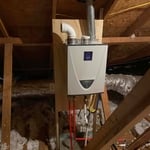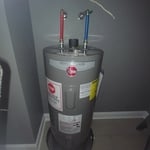

Top-rated water heater pros.

Get matched with top water heater pros in Pride, LA

Enter your zip and get matched with up to 5 pros

Need a pro for your water heater service project in Pride, LA?

Select your specific project to find the pro for you.

TRUSTED BY PRIDE, LA HOMEOWNERS

  • Average homeowner rating star icon4.6
    Average homeowner rating
  • Verified reviews icon11
    Verified water heater services reviews

Find Water heater pros in Pride

...
Showing 1-10 of 71
Water Heaters questions, answered by experts
Any item that can hold on to moisture and encourage mold growth should be discarded and replaced following water damage. Upholstered items, such as armchairs and couches, and soft items, such as mattresses, usually must be thrown away once they've taken on a lot of water. Soft furniture is difficult to dry out, creating an inviting environment for mold.
You may also need to replace hardwood furniture following water damage if you're unable to fully dry it out. If you have appliances and electronics that have been fully submerged in water, particularly sewage, you'll need to replace those, too.

You can use multiple tankless water heaters, but that doesn’t mean you should. Adding multiple tankless heaters adds considerable cost to your home in both parts and installation costs. Also, you’re adding many more points of failure in the system, making plumbing issues harder to diagnose. More heaters mean more maintenance, and insurers may want a word regarding the increased risk of water damage. A single, larger unit makes more sense in most situations.

Every type of water heater has its advantages and disadvantages. Understanding those can help you decide the best type for your situation and budget. 

Pros

  • Safer than gas or propane

  • Doesn’t require extensive venting systems

  • Lower upfront costs

  • Simpler to operate

  • No pilot light

  • Easier installation

  • More efficient heating than gas models

  • Available as point-of-use (POU) and whole-house units

Cons

  • Slower to heat water

  • Longer recovery time

  • Possibly higher operating costs

  • Doesn’t work during a power outage

  • Costs can increase without a 240-volt connection

Excessive pressure (above 80 psi) puts too much stress on plumbing pipes, joints, and fixtures. This can lead to leaks and burst pipes. Plus, it shortens the lifespan of appliances, can waste water, and can raise your utility bills. High water pressure might feel like a gift, but it’s actually a silent threat to plumbing.

The standard copper wire gauge to use with any 30-amp circuit is a 10-gauge wire. The National Electric Code specifies a 10-gauge wire with appliances like water heaters running on 30 amps. If you try to use a smaller gauge wire, such as a 12 gauge, with a 30-amp breaker, you run the risk of the wire overheating and melting or causing a fire. Because of the safety hazards, the gauge of the wire is not an area to try to cut costs when connecting a 30-amp breaker to a water heater.

The Pride, LA homeowners’ guide to water heater services

From average costs to expert advice, get all the answers you need to get your job done.