




Top-rated energy efficiency auditors.

Best energy efficiency auditors near Moss Bluff, LA

Enter your zip and get matched with up to 5 pros

Need a pro for your energy efficiency auditing project in Moss Bluff, LA?

Select your specific project to find the pro for you.

Top-Rated Energy efficiency auditors in Moss Bluff - Updated Nov 2026

Avatar for Eagle Construction Inc
Eagle Construction Inc
4.7(
74
)
Home Energy Audit

Serving Moss Bluff, LA and surrounding areas

Approved

Super Service Award Winner

In business since 2018

Free estimates

Credit card accepted

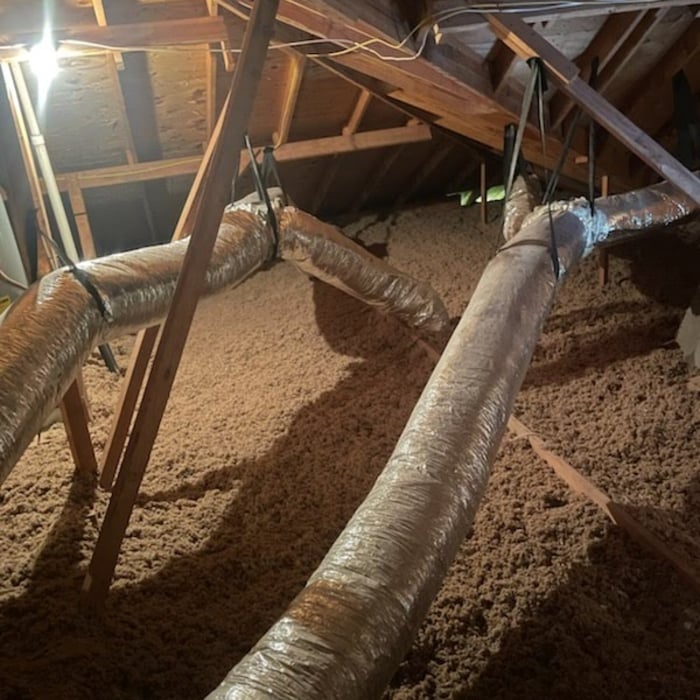
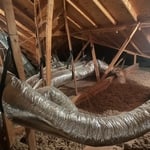
"Dustin, Justin, Jose, Joseph and Angelica worked hard to make the insulation process successful and improve the quality of our attic storage space. We have been in our home for almost 30 years, so we have accumulated a LOT of stuff. They moved everything, cleaned and disinfected the whole space. It looks good and smells good! They sealed the cracks where unwanted guests could enter and put mesh screen material in the weep holes. They also trimmed low hanging branches on the tree near our roof. After all of that, they blew additional insulation in our attic. The temperature seems to feel better. Hopefully we will save some energy!"
Vapor Barrier Crawlspace

+49

Response time1 day
Response rate99%
Recommended by23%of homeowners
John Porche Electric - Facebook
0.0(
4
)
Energy Audit - For BusinessHome Energy Audit

Serving Moss Bluff, LA and surrounding areas

In business since 1995

Here at John Porsche Electric, we have been serving your community since 1995. We provide superior craftsmanship along with excellent customer service. We are now offering energy audits both for residential as well as commercial sites. In today's economy, you would be surprised how much you can save by finding and eliminating culprits of energy loss. We offer a full array of Electrical services. Give a call today.

Recommended by100%of homeowners
Energy Efficiency Auditing FAQs, answered by experts

Leaving lights on raises the electric bill, but not as much as having high-wattage light bulbs. The best way to save on electric costs is to swap your light bulbs to LED or CFL bulbs that use far fewer watts. You can also use smart lights and light switches to control usage via a smartphone or voice-controlled device.

Yes, mini-split or ductless AC systems add value to a home and do not devalue it. They are an attractive feature for potential buyers, especially in older homes without existing ductwork, as they provide a practical air conditioning solution without the significant expense and hassle of installing traditional ducts. Ductless systems also eliminate issues associated with conventional ductwork, such as noise and the potential for pests. Furthermore, homeowners value energy-efficient solutions, and mini-splits offer high efficiency for both heating and cooling, plus zoned temperature control. This leads to lower energy consumption and reduced electric bills, which is a major selling point.

To determine the right size generator for your house, you should calculate the total wattage of the appliances and devices you want to power during an outage. List all essential items, note their start-up wattages, and add them together.

Here are some typical wattage requirements for common appliances:

  • Refrigerator: 600 watts

  • Large dehumidifier: 700 watts

  • Large window air conditioner: 1,400 watts

  • Water heater: 3,000 to 4,500 watts

  • Electric furnace: 5,000 to 25,000 watts

A 7,500-watt generator might be sufficient for essentials like a refrigerator, freezer, well pump, and lighting circuits. However, for high-demand items like a water heater or furnace, a whole-home generator is a better choice. A portable generator may be enough if you only need to power a few critical items.

While home square footage can offer a rough estimate, it is not always a reliable indicator. For reference, here are some typical generator sizes based on square footage:

  • 1,000 sq ft: 6–9 kW

  • 1,500 sq ft: 7–10 kW

  • 2,000 sq ft: 10–14 kW

  • 2,500 sq ft: 12–16 kW

  • 3,000 sq ft: 16–20 kW+

For the most accurate sizing, consult a professional who can calculate your home's peak and average power consumption and recommend the optimal generator.

Some types of electric fireplaces use more electricity than others. Models that produce 1,500 watts will have more of an effect on your heating bill than 750-watt models. 

Electric fireplaces use an average of $1.85 of electricity every eight hours. These minimal operational costs aren’t likely to make a big difference in your electric bill—unless you’re using it as a primary heating source for your home and it’s running most of the time.

Replacing a window frame will improve your home’s energy efficiency if the old frame is cracked or damaged in a way that allows unconditioned air from the outside into your living space or if you upgrade to a more energy-efficient window frame material. Aluminum is the least energy-efficient window frame material, followed by vinyl and wood. Fiberglass and composite frames are the most energy-efficient.

The Moss Bluff, LA homeowners’ guide to energy efficiency auditing services

From average costs to expert advice, get all the answers you need to get your job done.