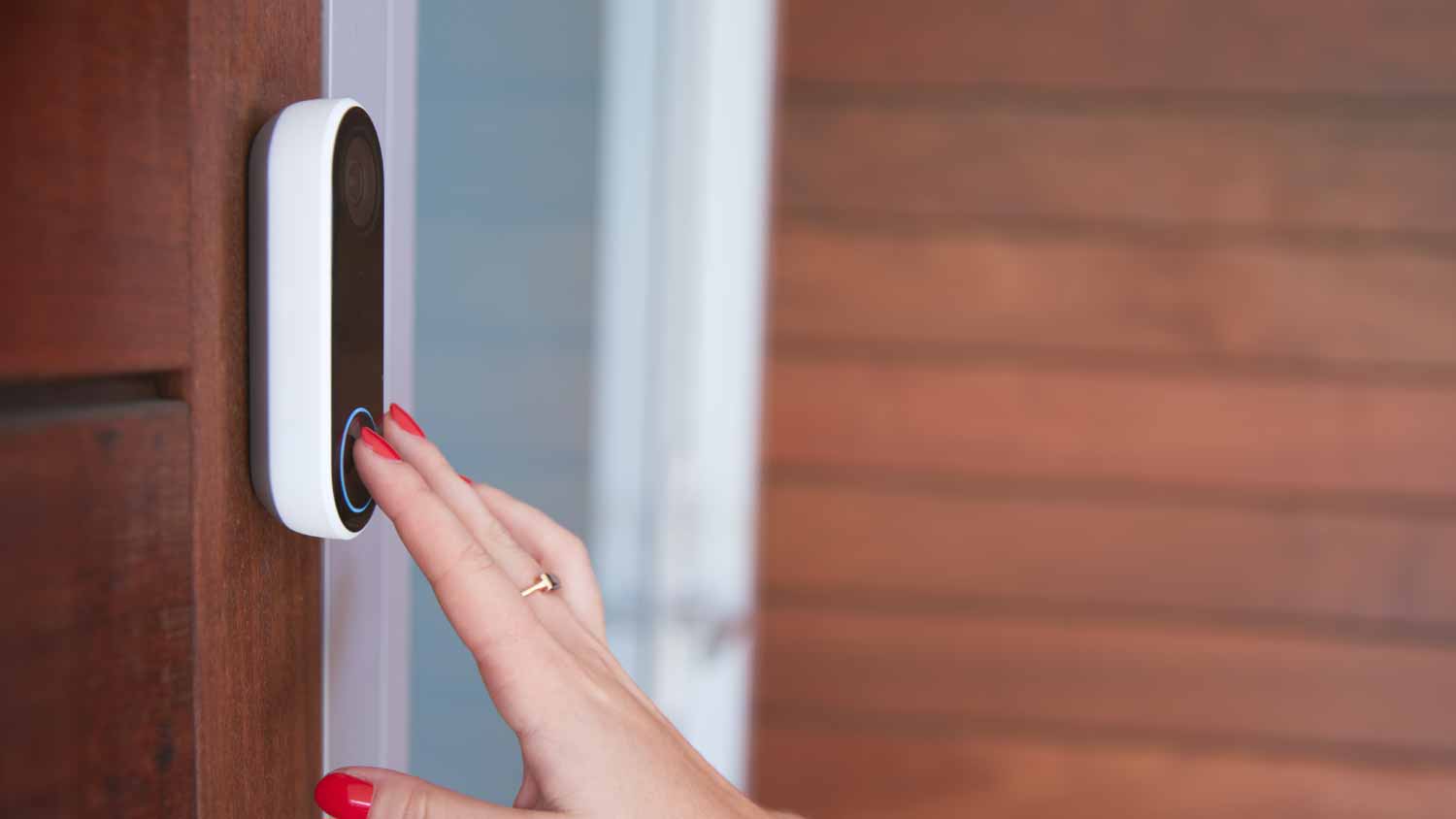






Top-rated doorbell installation pros.

Get matched with top doorbell installation pros in Loranger, LA

Enter your zip and get matched with up to 5 pros

Need a pro for your doorbell installation project in Loranger, LA?

Select your specific project to find the pro for you.

TRUSTED BY LORANGER, LA HOMEOWNERS

  • Average homeowner rating star icon4.5
    Average homeowner rating
  • Verified reviews icon301
    Verified doorbell installation services reviews

Find Doorbell installation pros in Loranger

No results for Doorbell installation pro in

Try adjusting your search criteria.
Doorbell Installation questions, answered by experts

R-30 insulation is better for higher thermal resistance, but whether it’s "better" depends on the application. R-30 is much thicker and suited for areas like attics or floors in cold climates, where more insulation is required. R-13, on the other hand, is thinner and works well for 2x4 walls or milder climates where less insulation is sufficient. Choosing between R-13 and R-30 depends on the area being insulated and the climate. For example, R-30 provides more insulation but may not fit everywhere in your home.

In some areas, insulation companies require a special license, while some states only require them to hold general contractor licenses. Some municipalities may not mandate any license, although you should always ensure a contractor is fully insured. You can use Angi’s license lookup tool to confirm whether or not an insulation contractor you’re considering holds the necessary license for your area. You can also contact the company for information regarding licenses, certifications, and insurance.

Yes, you can install insulation behind drywall yourself, but only if your walls are not finished. If your studs are exposed, installing fiberglass insulation in roll or batt form is very straightforward and just requires a few tools and some safety equipment. If your walls are already finished and you’re looking to add insulation, it’s better to hire a professional, as you’ll likely need blown-in insulation, which can be dangerous to work with and a challenge to get into the proper areas in your wall voids.

Yes, insulating ductwork in a crawl space is a worthwhile investment, especially if you live in a colder climate or run your air conditioning for most of the year. Uninsulated ducts can lose up to 30% of their heating and cooling efficiency, which can significantly impact your electricity bill. The project is a relatively small investment and typically only takes a few hours. It's a particularly simple add-on if you are already hiring someone to insulate the entire crawl space. An added benefit is that insulated ducts put off less hot or cold air, making them less attractive to pests.

The best type of insulation for your home depends on your specific needs, climate, and the area you are insulating. For new construction, structural insulated panels are a highly energy-efficient option that is easy to install during the building process. In very warm climates, reflective insulation can be a cost-effective choice. For cold climates, fiberglass is an excellent option due to its high R-value and resistance to settling over time. Spray foam works well in humid environments because of its moisture-resistant properties. For standard attics, loose-fill, spray foam, or blown-in insulation are all suitable options.

The Loranger, LA homeowners’ guide to doorbell installation services

From average costs to expert advice, get all the answers you need to get your job done.