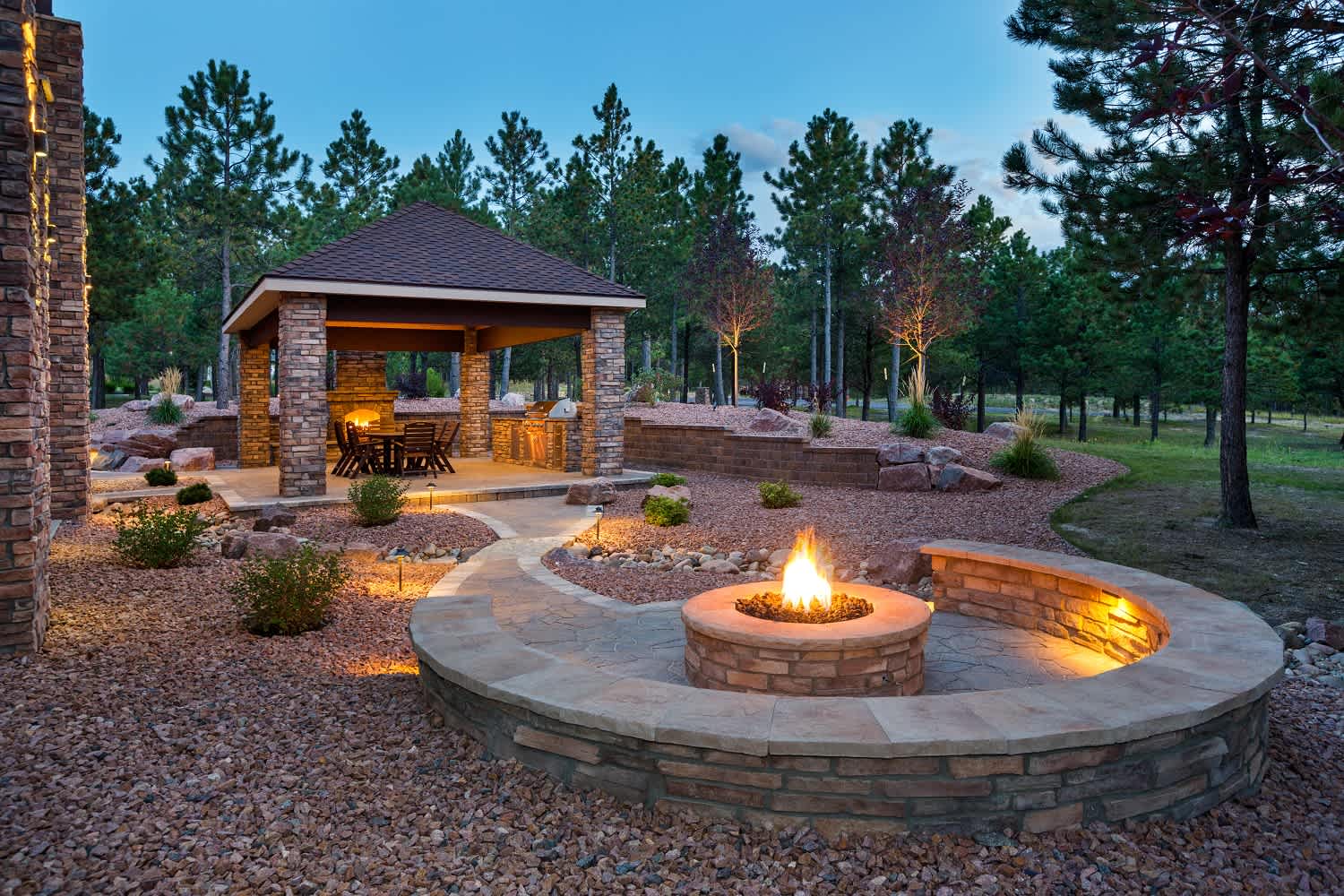




Top-rated fire pit installation pros.

Get matched with top fire pit installation pros in Lakeshore, LA

Enter your zip and get matched with up to 5 pros

Need a pro for your fire pit installation project in Lakeshore, LA?

Select your specific project to find the pro for you.

TRUSTED BY LAKESHORE, LA HOMEOWNERS

  • Average homeowner rating star icon4.2
    Average homeowner rating
  • Verified reviews icon24
    Verified fire pit installation services reviews

Find Fire pit installation pros in Lakeshore

No results for Fire pit installation pro in

Try adjusting your search criteria.
Fire Pit Installation questions, answered by experts

In addition to flashing, a roof cricket can help divert water around your chimney so that it drains properly off your roof. It’s shaped like a double triangle and is installed behind the chimney so that falling water spills evenly down each side. This helps prevent water from accumulating behind your chimney, which can increase water damage and the risk of leaks. 

The International Building Code (IBC) requires cricket installation if a chimney built after 2012 measures over 30 inches in width. Chimneys constructed before that date are typically grandfathered in and aren’t required to have crickets installed.

You should schedule a fireplace inspection at least once a year, per the National Fire Protection Association (NFPA). However, this is the minimum requirement even if you’re diligent with fireplace maintenance between uses. If you suspect your fireplace is malfunctioning, schedule one sooner to avoid fire hazards or the release of harmful emissions like carbon monoxide in your home.

Yes. It’s okay to leave a pellet stove on overnight, and these stoves can provide 24 to 48 hours of warmth from one ignition. However, you should practice proper pellet stove maintenance, like cleaning the burn pot before each use, deep cleaning the unit at least once per year, and running the fan when the stove is lit.

No, but they both serve distinct life-saving purposes. Smoke detectors primarily sense the presence of smoke, typically caused by a fire, and emit loud alarms to alert occupants to evacuate. In contrast, carbon monoxide detectors monitor the levels of carbon monoxide gas, an odorless and colorless but deadly substance produced by incomplete combustion of fuels. When CO levels become dangerous, CO detectors sound alarms to warn inhabitants of potential poisoning risks. 

A spark arrestor is a simple metal mesh device that prevents flammable particles from escaping from a combustion source and causing a fire. You typically find these attached to gas or diesel engines on things like cars, generators, and garden tools (lawnmowers, chainsaws, etc.). Fireplace or wood-burning stove chimneys also have spark arrestors attached to or sitting under the chimney cap to capture burning embers.

The Lakeshore, LA homeowners’ guide to fire pit installation services

From average costs to expert advice, get all the answers you need to get your job done.