







Top-rated radon detection and reduction specialists.

Get matched with top radon detection and reduction specialists in Keithville, LA

Enter your zip and get matched with up to 5 pros

Need a pro for your radon detection and reduction project in Keithville, LA?

Select your specific project to find the pro for you.

Find Radon detection and reduction specialists in Keithville

Air Marshalls Environmental
4.8(
73
)
Radon Gas - Testing

Serving Keithville, LA and surrounding areas

Approved

In business since 2009

Emergency services offered

Credit card accepted

"Excellent customer service and very professional. They provided a very detailed report and did an extremely good job explaining and making sure we understood the test results and next steps in the process. Highly, highly recommend this company!"

Mold
IICRC
Moisture Meter
 "Best of"
Thermal Imaging

+19

Response time10 hrs
13 neighbors recently requested a quote
Recommended by93%of homeowners

Wolff Home Services
5.0(
1
)
Radon Gas - Testing

Serving Keithville, LA and surrounding areas

In business since 2018

Free estimates

Credit card accepted

Wolff Home Services is committed to excellence in every aspect of our business. We uphold a standard of integrity bound by fairness, honesty, and personal responsibility. Our distinction is the quality of service we bring to our customers. Accurate knowledge of our trade combined with ability is what makes us true professionals. Above all, we are watchful of our customers' interests, and make their concerns the basis of our business. \n

Response time4 hrs
Radon Detection and Reduction questions, answered by experts

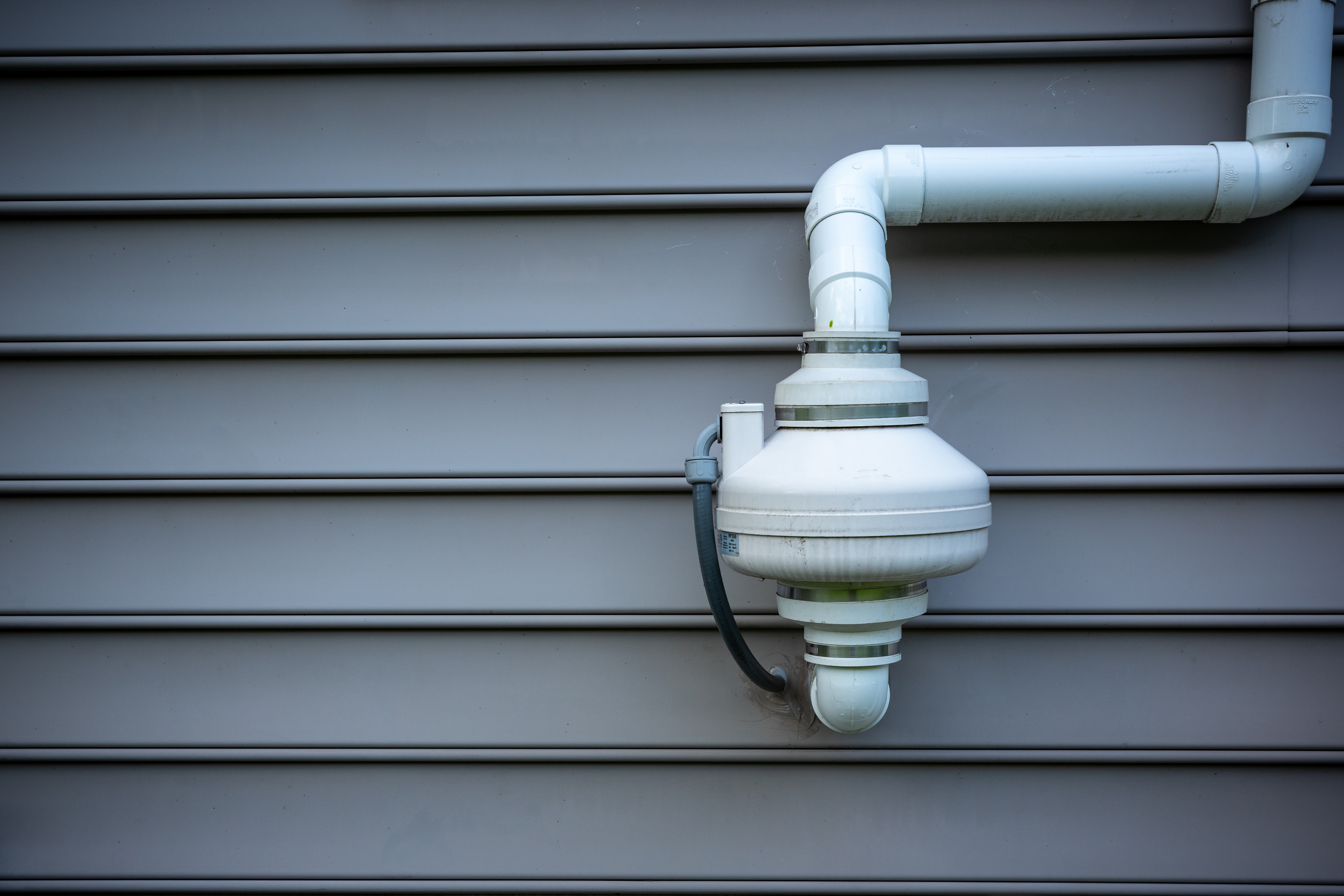
The average radon mitigation system uses about 876 kWh of electricity per year, although the exact amount of electricity used will vary depending on the size of the radon fan. Once the system is installed, the annual increase to your energy bill could range from $30 to $300 per year, again depending on the size of the fan.

If your home has a sump pit, you can integrate it with a radon mitigation system. You can accomplish this by sealing the pump cover with an airtight lid that accommodates radon vent pipes and sump pump hoses. This allows the vent pipe to redirect the radon gas outside of your home.

You'll need to test your home for radon after installing the mitigation system, then again every two years. If radon remains elevated, contact a licensed radon professional, either the contractor who installed the system or a different one, and have them evaluate the system. They may need to make some changes to improve its effectiveness and performance.

Radon is present almost everywhere but, like sunlight, the concentration levels and how often you are exposed to it have a large part to play in just how dangerous it is. There are levels of radon that are acceptable inside a house, but above a certain limit, radon becomes a serious radioactive hazard that is a known cause of lung cancer. In fact, radon exposure is the number two leading cause of lung cancer (after smoking).

No level of radon is technically safe, but since it is present everywhere, complete avoidance is impossible. The average radon level in homes across the United States is 1.3 picocuries per liter (pCi/L). The Environmental Protection Agency (EPA) recommends taking preventative measures if your home's radon levels are between 2 and 4 pCi/L or higher.

The Keithville, LA homeowners’ guide to radon detection and reduction services

From average costs to expert advice, get all the answers you need to get your job done.