


Top-rated excavation pros.

Get matched with top excavation pros in Chatham, LA

Enter your zip and get matched with up to 5 pros

Need a pro for your excavation project in Chatham, LA?

Select your specific project to find the pro for you.

Find Excavation pros in Chatham

Avatar for Dumpster Dog
Dumpster Dog
5.0(
10
)

Serving Chatham, LA and surrounding areas

Approved

In business since 2023

Free estimates

Credit card accepted

"This is hands-down the best company Iâ  ve ever seen theyâ  re quick to respond. They do what they say theyâ  re going to do for the best price."

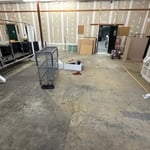
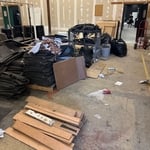
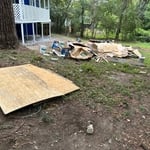
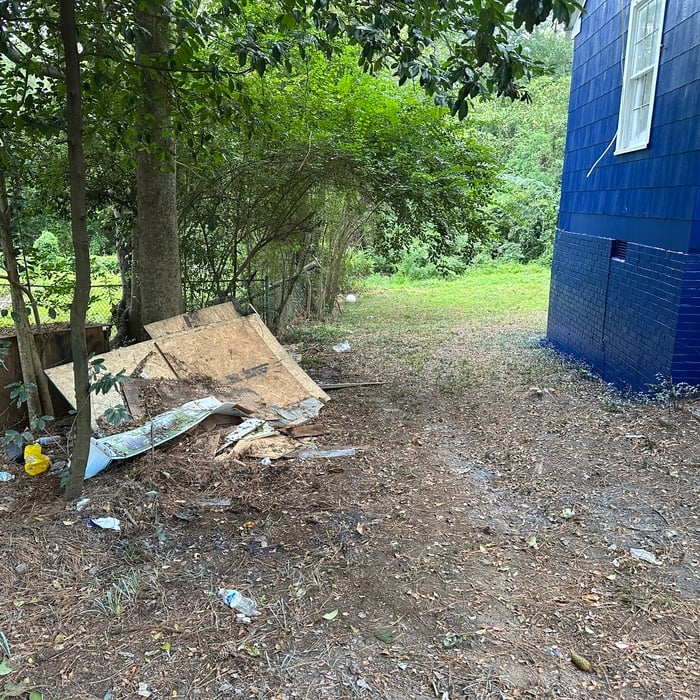
Junk Removal
Junk Removal
Junk Removal
Junk Removal
Junk Removal

+16

Response time10 hrs
41 neighbors recently requested a quote
Recommended by77%of homeowners

Avatar for Davis Excavation & Trucking
Davis Excavation & Trucking
5.0(
1
)

Serving Chatham, LA and surrounding areas

Approved

In business since 2024

Free estimates

"Showed up early, worked late, always stayed in communication with me. Even double checked to make sure it was just what i wanted. Got everything i wanted done in a reasonable time. And game back after rain to do touch of to make sure water drained perfectly. Id highly recommend"
...
Showing 1-10 of 60
Excavating questions, answered by experts

Most professional excavation teams will charge between $8 and $15 per cubic yard. Calculate the cost by finding the volume of your pool—width x length x depth—and dividing it by 27. Then, multiply the price by the cubic yards from your equation. Budget for complications like a rocky lawn, hard-to-access pool area, or high local labor prices.

Septic drain lines (or leach lines) are typically buried between 18 and 36 inches underground, and should be at least 6 inches below the surface. These pipes are perforated and surrounded by filtering materials like sand or gravel. Burying the lines at this depth helps minimize odors and allows bacteria and other biological processes in the soil to effectively treat the wastewater. Burying lines too close to the surface can cause issues unless the soil is very compact and stable.

There are many ways to cut through roots when digging, especially if your trencher doesn’t seem to be removing the roots. First, use a shovel to expose the roots. Then, use gardening shears to clear out smaller roots or a reciprocating saw to remove larger plant roots. If you plan on keeping the plant, avoid cutting any roots over 2 inches thick.

Trenchers can dig holes as narrow as 4 inches or as wide as 4 feet. Check the specifications of the trencher you rent or buy to determine how wide it will cut into the landscape. Better yet, let the excavation company know how wide you’d like the trench to be, and they can help you choose the right trencher for the job (or do it for you).

The best method for digging a trench depends on the scope of the project. For a short, shallow trench (less than 2 feet deep) in light, soft soil, digging by hand may be sufficient. However, digging by hand is labor-intensive, so consider the effort required. A machine trencher is the better option for longer trenches (over 100 feet), deeper ones, or when dealing with difficult soil conditions, such as rocky or hard ground, or obstructions like tree roots. A machine can save significant time and energy in these situations.

The Chatham, LA homeowners’ guide to excavation services

From average costs to expert advice, get all the answers you need to get your job done.