






Top-rated interior painters.

Get matched with top interior painters in Central, LA

Enter your zip and get matched with up to 5 pros

Need a pro for your interior painting project in Central, LA?

Select your specific project to find the pro for you.

TRUSTED BY CENTRAL, LA HOMEOWNERS

  • Average homeowner rating star icon4.8
    Average homeowner rating
  • Verified reviews icon44
    Verified interior painting services reviews

Find Interior painters in Central

Avatar for Keyway101 Renovations & Properties, LLC
Keyway101 Renovations & Properties, LLC
5.0(
6
)
Interior Painting or Staining: 1 - 2 Rooms

Serving Central, LA and surrounding areas

Approved

In business since 2000

Free estimates

"For the past 5 years, I’ve had the pleasure of entrusting my personal and investment properties to Keyway. Their commitment to excellence is evident in every task. What truly sets them apart is their attention to detail, professionalism, and passion that is rare in this industry. They care for each property as if it were their own. I cannot recommend Keyway highly enough. Keyway is a remarkable asset to any property owner."
Gallery
Gallery
Gallery
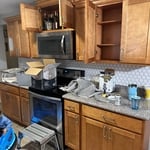
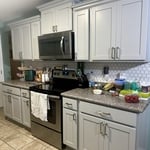
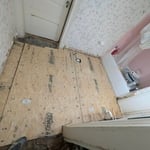
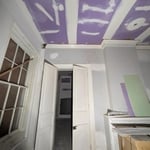
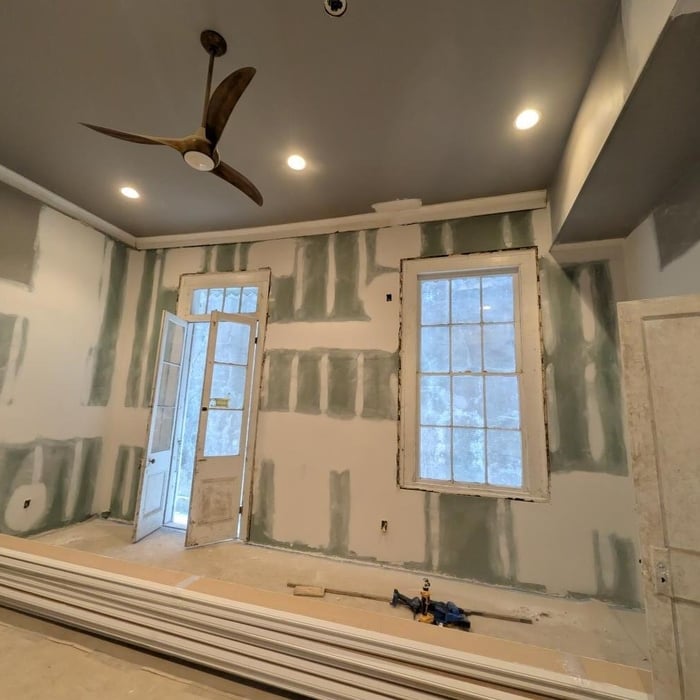
Full Kitchen Remodel

+9

3 neighbors recently requested a quote
...
Showing 1-10 of 619
Interior Painting questions, answered by experts

Yes, you can paint over old exterior paint, but success depends on the condition of the existing paint and proper surface preparation. If the previous coating is in good shape (not cracked, peeling, or flaky), you can paint over it with less prep work. However, for the most durable and professional-looking results, follow these key preparation steps:

  • Clean the Surface: Thoroughly clean the exterior to remove all dirt, grime, and mildew. A pressure washer can be very effective for this.

  • Scrape and Sand: If the old paint is peeling, cracked, or flaky, you must scrape off all loose paint. After scraping, sand the surface to create a smooth, even base for the new paint. Sanding is especially important for wood siding.

  • Apply Primer: Using a quality exterior primer is highly recommended. It ensures the new paint adheres properly, improves durability, and provides a uniform finish. If you are painting a lighter color over a dark one, a tinted primer will help cover the old color more effectively.

Some brands offer paint-and-primer-in-one products for convenience. Taking the time to prepare the surface properly will not only increase your home's curb appeal but also help protect your siding and extend its life.

You can find chemical and naturally derived paint thinners to remove paint without as much sanding. A heat gun or pressure washer can also remove paint from large areas. However, sanding is often the best way to remove the final bits of paint that remain on the surface.

Removing paint from brick can have both aesthetic and practical value. Some people prefer the timeless look of bare brick, making it worthwhile to remove old paint layers. Brick also lasts longer when unpainted, as paint traps moisture, causing the brick to deteriorate more quickly. If your brick walls are already in bad shape, stripping the paint off might do more harm than good.

Some homeowners have luck using pressure washers, but this only works for old or weaker concrete sealants and with very powerful pressure washers. You’ll get better results by pressure washing water-based sealants. However, it’s worth trying on any sealant if you’re hoping for the least toxic, least expensive, and most DIY-friendly option. To try this method, rent or buy the most powerful pressure washer you can find and take several passes at the concrete, completely pressure washing the entire area. You may need to repeat the process multiple times to see results.
Yes, you can pressure wash epoxy floors, but you must take precautions to avoid damaging the surface. While most epoxy floors can be cleaned with a mop, you might choose to pressure wash if the floor is stained, has ground-in dirt, or is covered with mold or mildew. To do so safely, first soak any stains or dirty areas with a gentle cleanser. Use a lower pressure setting with a gentle nozzle, such as a green, white, or black tip, or a 45-degree angled tip. Keep the spray nozzle at least 18 inches away from the floor to protect the surface. Using a surface cleaner attachment or a rotary scrubber can also help prevent overspray. Be cautious if using a power washer that heats the water, as the combination of heat and pressure may be too powerful and could damage the epoxy coating.

The Central, LA homeowners’ guide to interior painting services

From average costs to expert advice, get all the answers you need to get your job done.