
Top-rated interior painters.

Get matched with top interior painters in Walker, LA

Enter your zip and get matched with up to 5 pros

Need a pro for your interior painting project in Walker, LA?

Select your specific project to find the pro for you.

TRUSTED BY WALKER, LA HOMEOWNERS

  • Average homeowner rating star icon4.8
    Average homeowner rating
  • Verified reviews icon102
    Verified interior painting services reviews

Find Interior painters in Walker

...
Showing 1-10 of 514
Interior Painting questions, answered by experts

Yes, you can paint over old exterior paint, but success depends on the condition of the existing paint and proper surface preparation. If the previous coating is in good shape (not cracked, peeling, or flaky), you can paint over it with less prep work. However, for the most durable and professional-looking results, follow these key preparation steps:

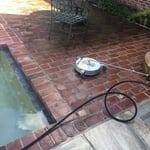
  • Clean the Surface: Thoroughly clean the exterior to remove all dirt, grime, and mildew. A pressure washer can be very effective for this.

  • Scrape and Sand: If the old paint is peeling, cracked, or flaky, you must scrape off all loose paint. After scraping, sand the surface to create a smooth, even base for the new paint. Sanding is especially important for wood siding.

  • Apply Primer: Using a quality exterior primer is highly recommended. It ensures the new paint adheres properly, improves durability, and provides a uniform finish. If you are painting a lighter color over a dark one, a tinted primer will help cover the old color more effectively.

Some brands offer paint-and-primer-in-one products for convenience. Taking the time to prepare the surface properly will not only increase your home's curb appeal but also help protect your siding and extend its life.

A traditional German schmear uses mortar, making it unsuitable for adherence to painted surfaces. Professionals recommend removing any existing paint before applying mortar. However, you can rough up the painted surface and clean it to test if the mortar will stick. Remember that the underlying paint's texture and color may affect the schmear's final appearance—so starting with a bare brick wall will ensure the ideal finish.

To fix bubbling paint, scrape away any loose or blistered areas using a putty knife. Lightly sand the surface to smooth out rough edges and create a level finish. Clean the area thoroughly to remove dust, dirt, and any residue. Once the surface is clean and dry, apply a quality primer suited to the material you're painting. Finally, repaint the area, making sure to work in proper temperature and humidity conditions to prevent new bubbles from forming.

Professional painters often use a Turpentine-based solution to remove paint, since it can remove oil-based paint as well as acrylics and varnishes. It’s also an organic material derived from tree resin, so it’s less toxic than traditional paint strippers. Consult a professional cabinet refinisher or painter about the best materials to use for paint stripping.

You should ask a few questions to ensure that your potential lead removal professional is experienced and qualified to handle lead-paint abatement safely, legally, and properly.

  • What are your qualifications and experience removing lead-based paint?

  • Are you licensed and certified to remove lead-based paint?

  • How do you test for lead paint?

  • What methods do you use for lead-based paint abatement?

  • What do you plan to do with the hazardous material when you remove it from the home?

  • Do you do replacement and painting work or removal only?

The Walker, LA homeowners’ guide to interior painting services

From average costs to expert advice, get all the answers you need to get your job done.