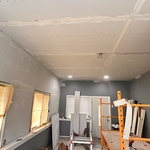
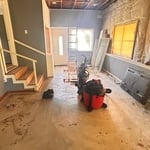
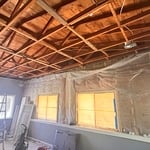
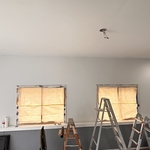
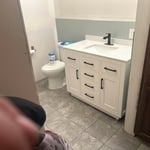
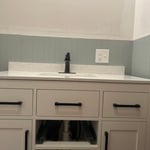
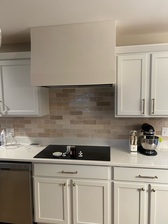
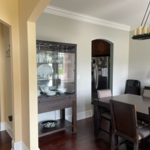
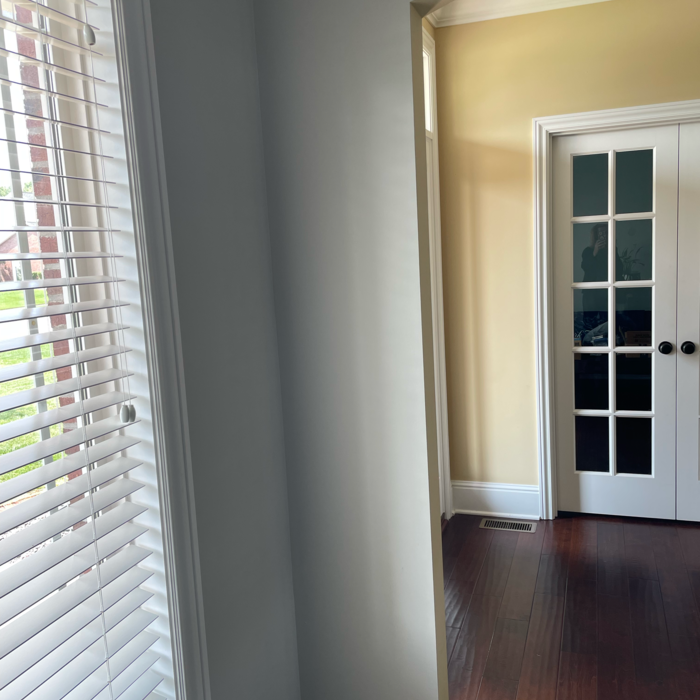
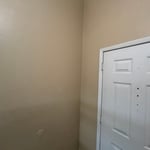
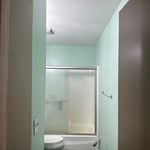
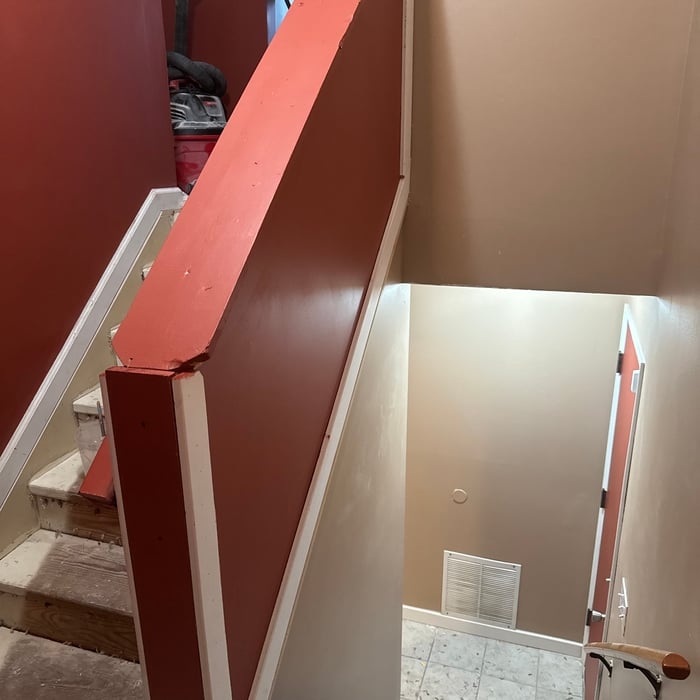
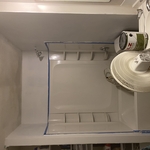
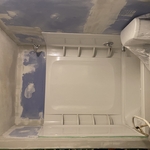
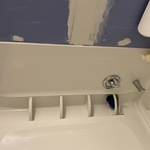
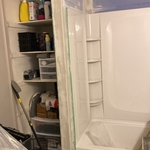
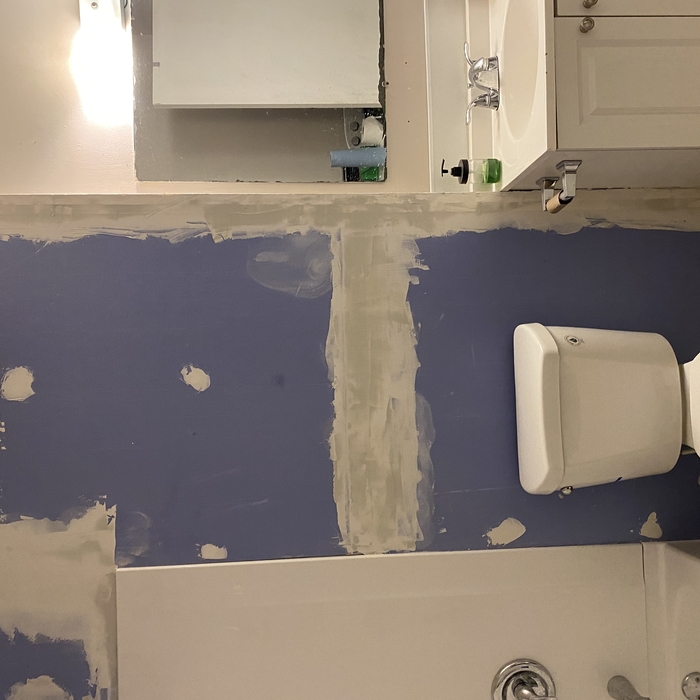
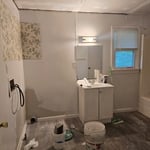
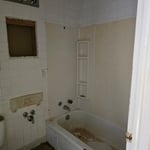
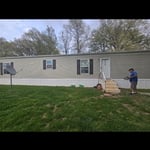
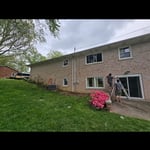
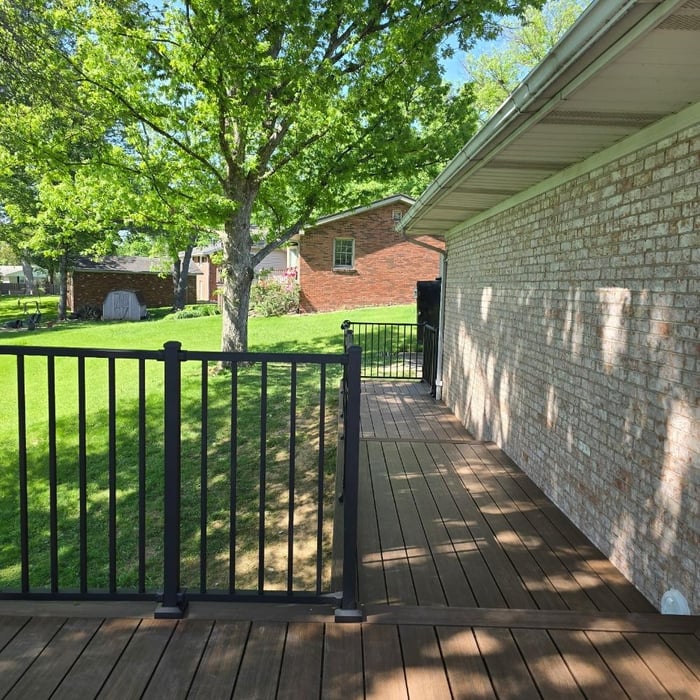
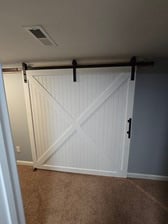
"We hired interior innovation for drywall installation and paint. We are very satisfied with the customer service experience, very knowledgeable when responding to our multiple questions. They even finished the project a little bit earlier than the time given. I will definitely recommend it for your home improvement."
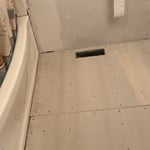
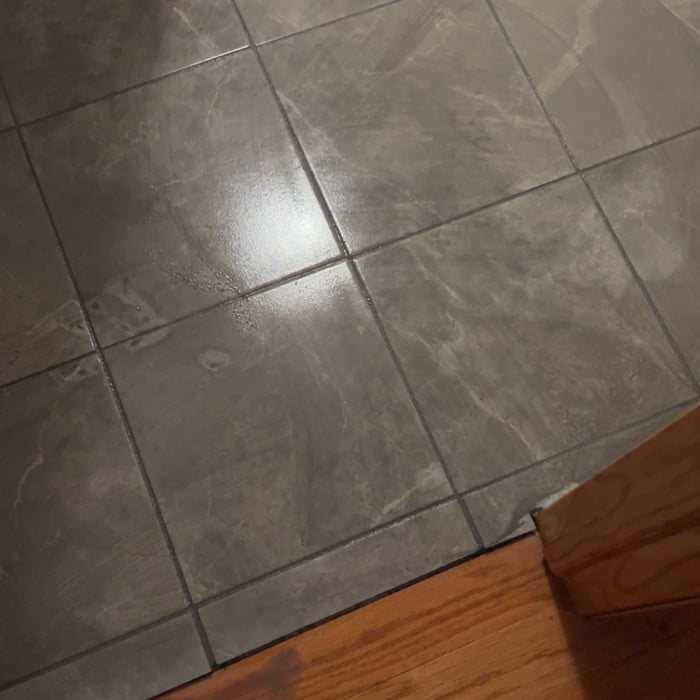
"Hired him to come out and repair our bathroom floor and some drywall. He got it done quick and was very professional. The repairs made the space look amazing! Definitely recommend!"
B&W Handyman Service brings an unmatched commitment to excellence to your home improvement projects. I have over 5 years experience delivering unsurpassed professionalism, expertise, and value. I take pride in providing my customers with personalized customer service, the highest industry standards, and top quality workmanship. References available upon request. Give me a call today!
I’m a hardworking person who doesn’t like to leave projects half finished or looking sloppy, I can be a bit of a perfectionist. I’ve always fixed and built almost everything I needed myself and I take pride in being self sufficient. I’ve been an electrician for a year and half now and before that I was fabricating aerators for private residences. I have a wife and two children, so I can handle the chaos of a whole house remodel even if you decide to alter any details halfway through.
We pride our company on reliability, great communication, integrity, and quality work. We are experts in our trade and will do our best to keep you as educated as we can on your particular task or project. We look forward to earning your business! Book with us online or feel free to give us a call today!
We take great pride in our experience, expertise, quality, and customer service that we provide to meet the consumer's needs. It is our mission to provide excellent workmanship and complete customer satisfaction from start to completion of a project. In order to understand the needs and expectations of our customers, we take great care to work and communicate with every customer in a professional manner. Our reputation is based on service, safety, and quality, regardless of how large or small the job.
We are a locally owned and operated company with over 16 years of industry experience. We specialize in Additions and Kitchen Remodels, but also offer a wide range of expertise for a variety of other Home Improvement projects. We pride ourselves on the quality of our work as well as our commitment to outstanding results. We look forward to building lasting relationships and guarantee your satisfaction! We are a bilingual company, and are happy to serve both our English and Spanish Speaking communities!
We are a locally owned and operated company with over 16 years of industry experience. We specialize in Additions and Kitchen Remodels, but also offer a wide range of expertise for a variety of other Home Improvement projects. We pride ourselves on the quality of our work as well as our commitment to outstanding results. We look forward to building lasting relationships and guarantee your satisfaction! We are a bilingual company, and are happy to serve both our English and Spanish Speaking communities!\n\n
"Great! He responded to my call quickly and came when he said he would. The pocket door repair was tricky because a piece of the door trim had to be removed. It works now and he did an excellent job of getting the trim off and on without damaging the drywall and paint. The drywall repair took several visits but, once again, he came when promised and completed the repair in a timely manner."
Some textures are easier than others to DIY, but the short answer is yes, you can absolutely texture walls yourself. You’ll need certain materials, like a trowel or paint sprayer, but the most important things you’ll need are patience and time. DIYing wall texture can save money and be a fun, messy project, but homeowners need to know that adding texture to a wall isn’t a quick project.
Whether to repair or replace water-damaged plaster depends on the scale of the damage. For small, limited areas, you can often perform a repair yourself. If you choose to paint over small patches, ensure the surface is completely dry and apply a coat of antifungal primer first to prevent mold growth. However, simply painting or plastering over the damage is only a temporary solution that doesn't address the core problem. For more extensive or long-term damage, the plaster may be compromised, and there is a risk of mold. In these cases, it is recommended to remove the damaged section of plasterboard and replace it. You may consider hiring a professional for the repair, and it's worth noting that water damage is often covered by home insurance.
Yes, you can hammer a nail into a wall stud. But before you do, it’s important to confirm that you’re actually nailing into a stud—and not wiring, pipes, or ductwork. To check, find a few more studs in the wall, then measure to make sure they’re either 16 or 24 inches apart.
There are a handful of reasons why your drywall anchors are breaking. Using the wrong type of anchor is the most common problem, so always make sure you’re using the best option for a particular project. That there are electrical wires or plumbing where you’ve placed an anchor or that your drywall is weak are two other possible causes.
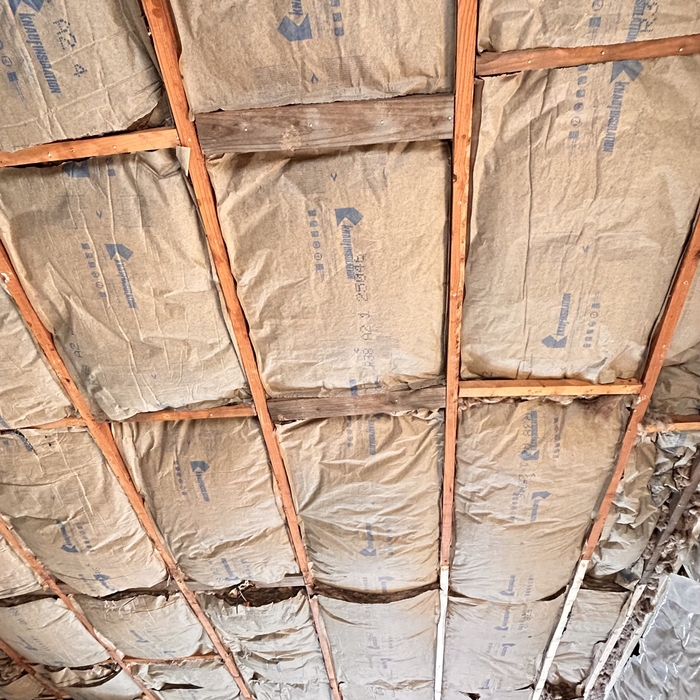
Drywall insulation costs around $1,800, on average, but prices can range from $500 to $4,500, depending on a few different factors. The following things are important considerations to make when pricing out your insulation project:
Square footage of insulation
Type of insulation
Climate in your area and the insulation R-value required
Whether or not your walls are already finished
Accessibility of the area
Whether or not you need old insulation removed first
The Uniontown, KY homeowners’ guide to drywall services
From average costs to expert advice, get all the answers you need to get your job done.
Installing drywall is the most common way to finish your home’s interior. Use this drywall installation cost guide to see what your project is likely to cost.
Whether you want to spruce up a few dents and dings or fix a large surface area, investing in drywall repair costs can return your walls to a smooth, flush look.
Can you put drywall over drywall to cover old, damaged or cracked plaster walls? Read our guide to determine if this is the right solution for your walls.
The terms drywall and Sheetrock are often used interchangeably, but one is a brand and one is a specific product. Find out which one you need in this guide.