Top-rated plaster repair specialists.

Get matched with top plaster repair specialists in Robards, KY

Enter your zip and get matched with up to 5 pros

Need a pro for your plaster repair project in Robards, KY?

Select your specific project to find the pro for you.

Find Plaster repair specialists in Robards

Daniel Wallace
New to Angi
Plaster - InstallPlaster - Repair

Serving Robards, KY and surrounding areas

Approved

I’m a hardworking person who doesn’t like to leave projects half finished or looking sloppy, I can be a bit of a perfectionist. I’ve always fixed and built almost everything I needed myself and I take pride in being self sufficient. I’ve been an electrician for a year and half now and before that I was fabricating aerators for private residences. I have a wife and two children, so I can handle the chaos of a whole house remodel even if you decide to alter any details halfway through.

Avatar for Santos Home Improvement
Santos Home Improvement
4.4(
8
)
Plaster - InstallPlaster - Repair

Serving Robards, KY and surrounding areas

In business since 2023

Free estimates

Small jobs welcome

"Santos Home Improvement is hands down the best company I have hired. They were on time every day and their communication was top tier. The construction team works quickly, but efficiently and the level of expertise is unmatched. The Santos family truly cares about their clients, something that is hard to find these days."
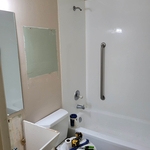
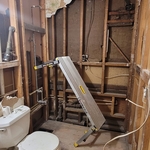
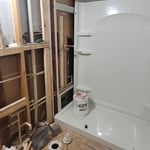
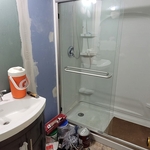
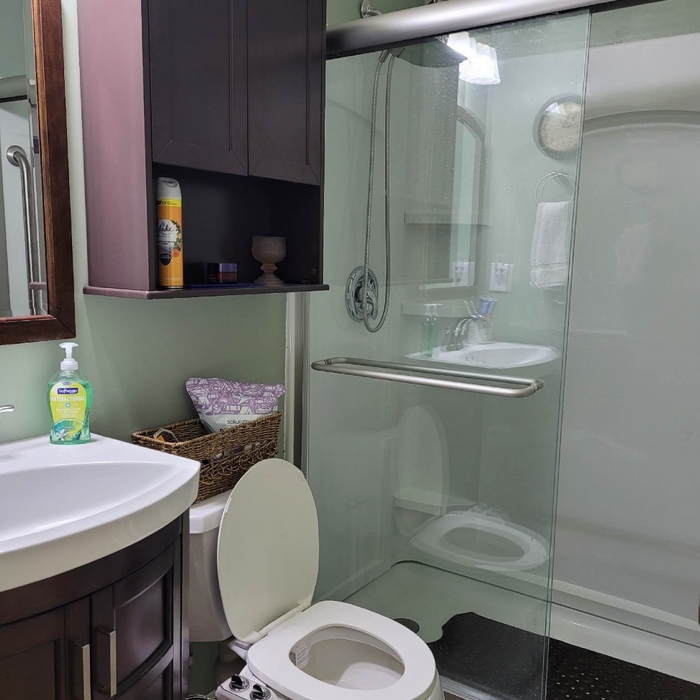
Beginning the remodel
Small Bathroom Remodel

+11

Response time12 hrs
Response rate95%
Recommended by100%of homeowners
Showing 1-10 of 18
Plaster Repair questions, answered by experts

With its breathability and flexibility, lime plaster is among the most durable of all plaster types. It's also fire-resistant and has a proven track record, as people have been using it for thousands of years.

However, all plaster types will last for many years with the right care and treatment. Proper preparation and installation will also help ensure your plaster walls look great for as long as possible.

Both plaster and drywall are durable wall finishes, but they differ significantly in installation, cost, performance, and aesthetics.

Installation & Cost: Drywall installation is faster and more affordable, typically costing $1.50 to $3 per square foot. It uses premade sheets, making it a more accessible DIY project. Plastering is a labor-intensive craft that requires specialized skills, pushing costs to $2 to $10 per square foot. It involves applying a wet paste over a lath framework.

Durability & Performance: Plaster is generally more durable, longer-lasting, and provides superior soundproofing. It is also a better insulator, which can help reduce energy costs. Drywall is easier to remove for future renovations.

Aesthetics: Drywall provides a smooth, uniform surface ready for paint or texture. Plaster offers a high-end, naturally textured look that can hide imperfections and is often preferred for achieving a classic or historic aesthetic.

Which is better? The choice depends on your priorities. Drywall is ideal for those prioritizing a lower upfront cost, faster installation, and DIY potential. Plaster is the better option for a higher-end project where durability, soundproofing, and a unique, premium finish are more important than the initial cost.


Like many other repair projects, the cost to fix a behind-the-wall shower leak depends on several factors. The cost of your repair may depend on the type of leak (from a clog or burst pipe), type of piping, and location of the leak. The extent of the issue and how difficult it is to access the pipes can greatly impact and increase your price. On average, you can expect to pay around $150 to $600 to repair a leaking shower.

If you’re looking for a reliable plaster repair company, you should start by researching local companies in your area and reviewing their status with the Better Business Bureau. Next, you can contact the potential companies to ask about experience levels, get a list of references, and ask for examples of past work. If you have a textured wall, consider asking if they have examples or references for that particular texture. This method should help you narrow your search even further. You may also want to ask each company if they provide a warranty for their work.

Although they have similar applications, spackle and joint compound are not the same. Their primary differences lie in their composition, consistency, and ideal use cases.

Spackle is composed of gypsum and binding agents, making it thicker than joint compound. It dries quickly and is easy to sand, which makes it ideal for small wall repair projects like filling nail holes or patching minor damage.

Joint compound, also known as drywall mud, consists of limestone and gypsum. It is primarily used for large-scale projects, such as taping and finishing the seams on newly installed drywall. It tends to shrink more than spackle and can be more difficult to spread.

While both products can be used to fill small depressions and cracks, spackle cannot replace joint compound for taping and mudding new drywall. Conversely, you can often use joint compound for small patching jobs typically done with spackle.

The Robards, KY homeowners’ guide to plaster repairs

From average costs to expert advice, get all the answers you need to get your job done.