







"I just pay $75 you never know who's going to come out. They do everything electrical. Just about everything is covered except the septic tank. I had an air conditioner replaced. It went great, all I had to do was pay for the freon. He didn't charge e more than what was needed."
We're a locally owned and operated company that values honesty and integrity in all aspects of our business. We offer a variety of excavation services that are customizable to each individual project. We pride ourselves on the quality of our work as well as our commitment to outstanding results. We look forward to building lasting relationships with our clients and guarantee your satisfaction!
Here at Arnett's Plumbing, we sustain our business on quality and integrity. We are experts in our trade and our commitment to quality from beginning to end of your project. We look forward to earning your business. Call us anytime with any questions you may have. Thanks for your time and have a great day.
Septic drain lines (or leach lines) are typically buried between 18 and 36 inches underground, and should be at least 6 inches below the surface. These pipes are perforated and surrounded by filtering materials like sand or gravel. Burying the lines at this depth helps minimize odors and allows bacteria and other biological processes in the soil to effectively treat the wastewater. Burying lines too close to the surface can cause issues unless the soil is very compact and stable.
While mound septic systems can provide cost-effective wastewater treatment in many instances, they do come at a significant initial installation cost and require a lot of space on your property for the mound and its replacement field. The installation cost is so high because this is a project that requires an exceptional level of skills and expertise to execute properly.
Several signs can indicate a faulty well pump pressure switch. These include your pump running continuously, the pump not turning on at all, or a sudden and complete loss of water. Other symptoms are weak water pressure or an erratic, unpredictable water flow from your fixtures. If you notice these issues, the pressure switch may be the cause. Testing the switch can help diagnose the problem. A faulty switch will likely need to be repaired or replaced. If the issue is more complex, it's best to consult a professional well technician to ensure your water supply is restored correctly.
There are a variety of different types of septic systems that can work in your home—such as conventional anaerobic systems, chamber systems, drip distribution systems and mound septic systems. All of them work using natural processes to break down solid waste and effectively treat wastewater without needing to be connected to a city sewer system. Which type of septic system you need will depend on characteristics of your property like how high the bedrock is or groundwater table is. Different types of systems come at different costs to install.
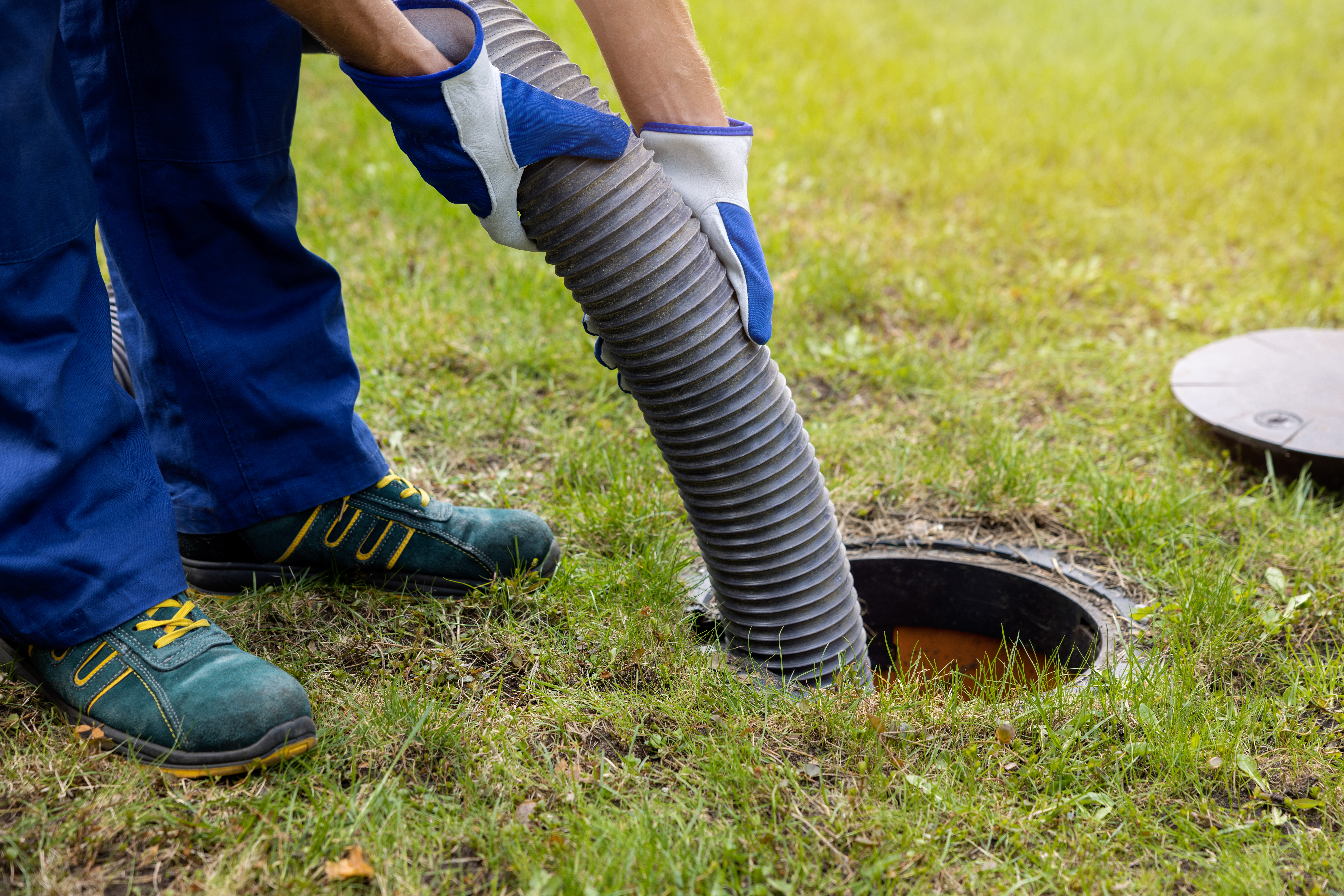
Costs depend on tank accessibility, size, and local rates. Regular service serves as preventive care, averting costly emergency repairs or system replacements.
The Jackson, KY homeowners’ guide to septic tank services
From average costs to expert advice, get all the answers you need to get your job done.
Caring for your septic system is crucial to ensuring its long life. But how much does it cost to pump a septic tank? We explore the different cost factors.
A damaged septic system can leak odors and sewage, so repairs are urgent. Find out how much septic tank repair costs based on repair type, tank size, and more.
Septic tank risers make it easy to access your septic tank when it’s time for routine inspection, maintenance, and pumping, saving you precious time and labor costs.
Septic tank sizes vary depending on the size of your home, how many people live there, how much water you use, and more. Read on to learn how to determine the right size for you.