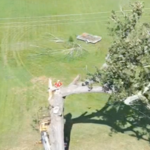
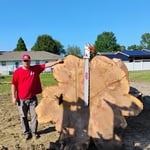
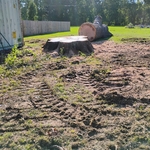
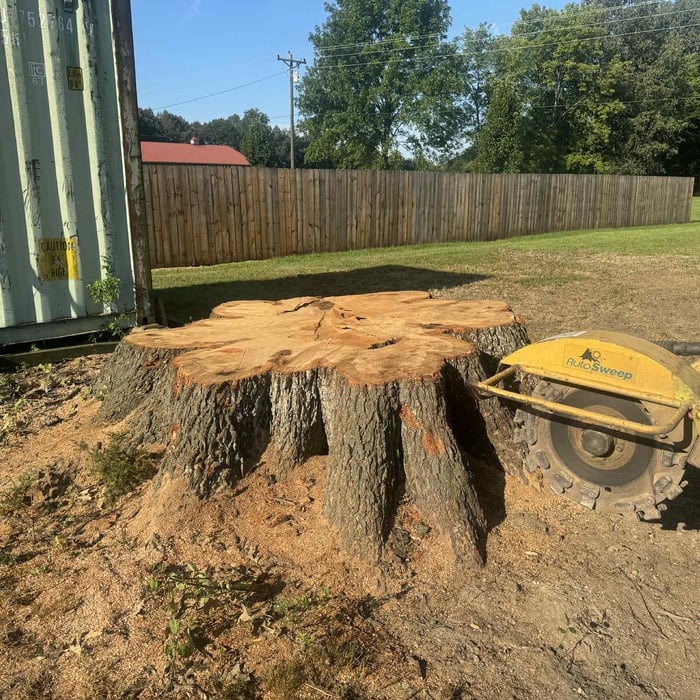
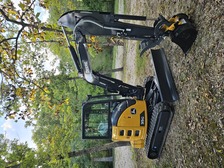
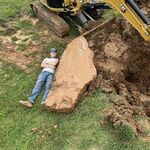
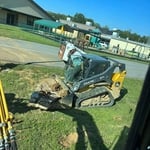
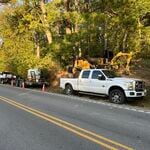
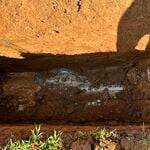
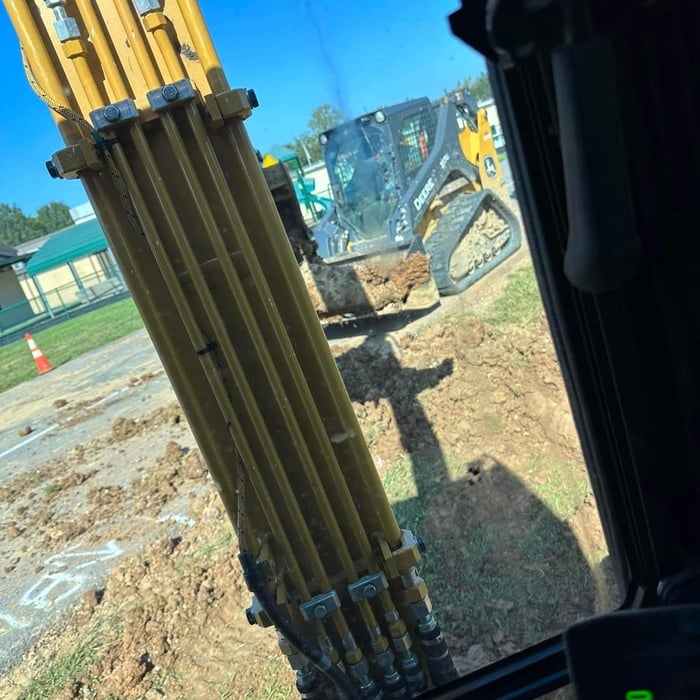
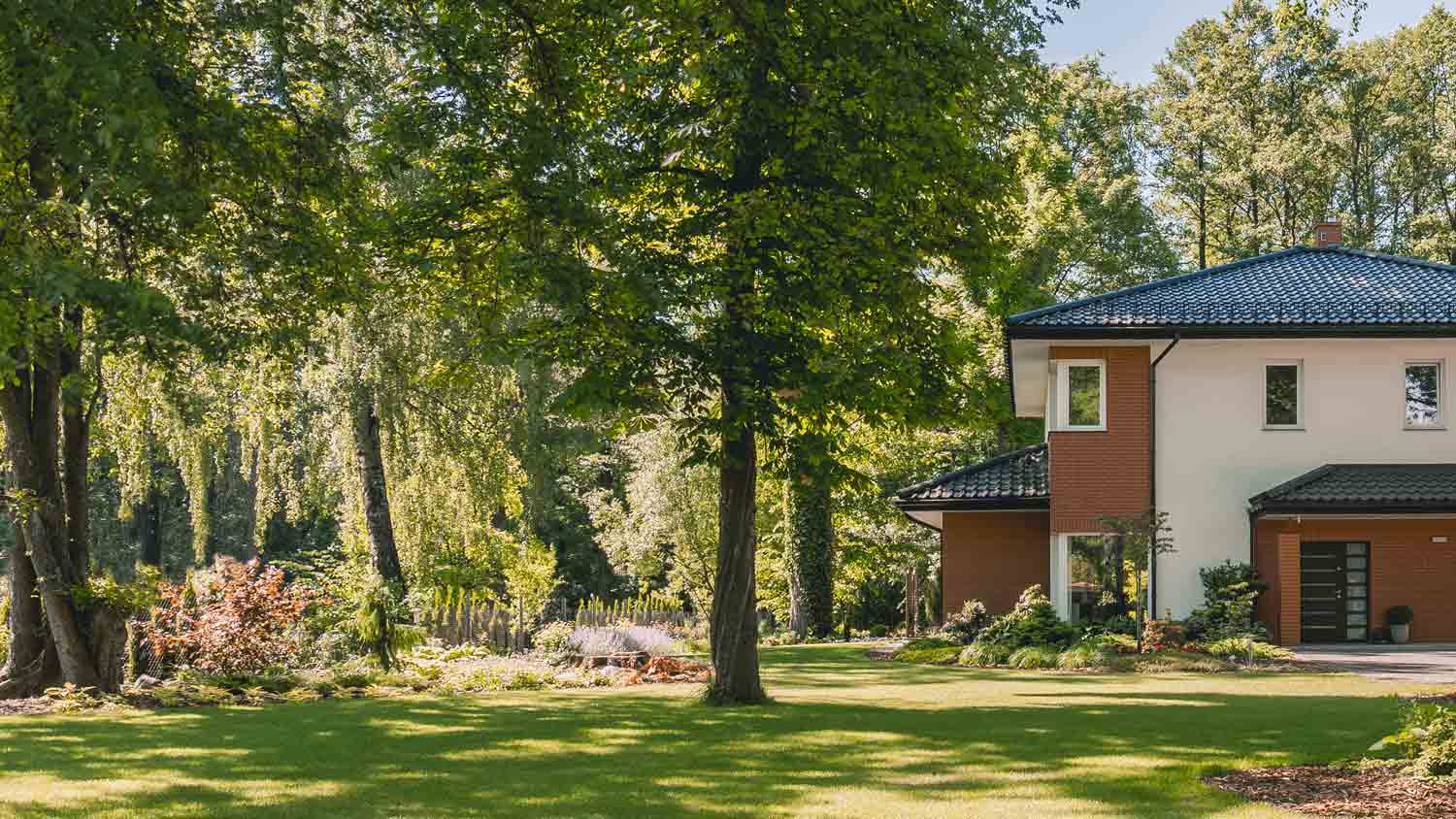
"Tanner did an awesome job cleaning and clearing out all of the old bushes and trees and a falling down garage on our rental property! Very happy with how it turned out! Thank you!"
"Even with the delay with some machinery and waiting on the weather to cooperate, Mr Byassee was on the ball to explain the process and risks of paving without the machine that needed repair. He explained the whole process and did an excellent job. I will by hiring him again to seal the driveway next year, too. My wife is very excited about the driveway."
We are a locally owned and operated company that values honesty and integrity and treats your home as if it were our own. We offer a variety of General Contractor services that are customizable to each individual project. You will find us to be competitively priced, paying close attention to the details of each and every project that we are involved with. We look forward to building lasting relationships and guarantee your satisfaction!
\n
When considering the price of drilling a well, factor in how much you’ll save in water costs per year. The average family of four uses 100 gallons of water per person per day in the U.S. With a private water well, you can save hundreds each year.
Wells are also environmentally friendly. You don’t need to worry about drinking water treated with chemicals. Talk to at least three well pump contractors in your area. They’ll be able to tell you more about your options, give you different quotes, and discuss the biggest concerns.
Yes, new home construction will always require building permits, no matter where you live. In most cases, you’ll need a general construction permit, along with plumbing and electrical permits for the utility lines in your home. Depending on where you live, you’ll likely find that you also need permits for things like connection to a sewage system or installing exterior components, like decks, driveways, patios, and curb cutouts. Leave navigating the permits required for new home construction to a professional to ensure your home is built legally and safely.
Yes, they assess topography and potential risks related to flooding.
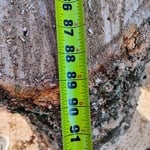
The small lines on the tape measure either indicate inches, fractions of an inch, or centimeters and millimeters. On the imperial unit side (aka the inches side), the longest lines indicate inches, followed by the next shortest lines that indicate a half-inch, and then the quarter, eighth, and sixteenth-inch. On the metric side, the lines break down meters, centimeters, and millimeters.
You can’t build on undeveloped land without preparing it for construction, which involves running utilities to the site or accounting for private utilities like wells and septic systems and grading and compacting the soil for safe construction. Once you prepare the land, you can build on it as long as the project abides by local zoning regulations.
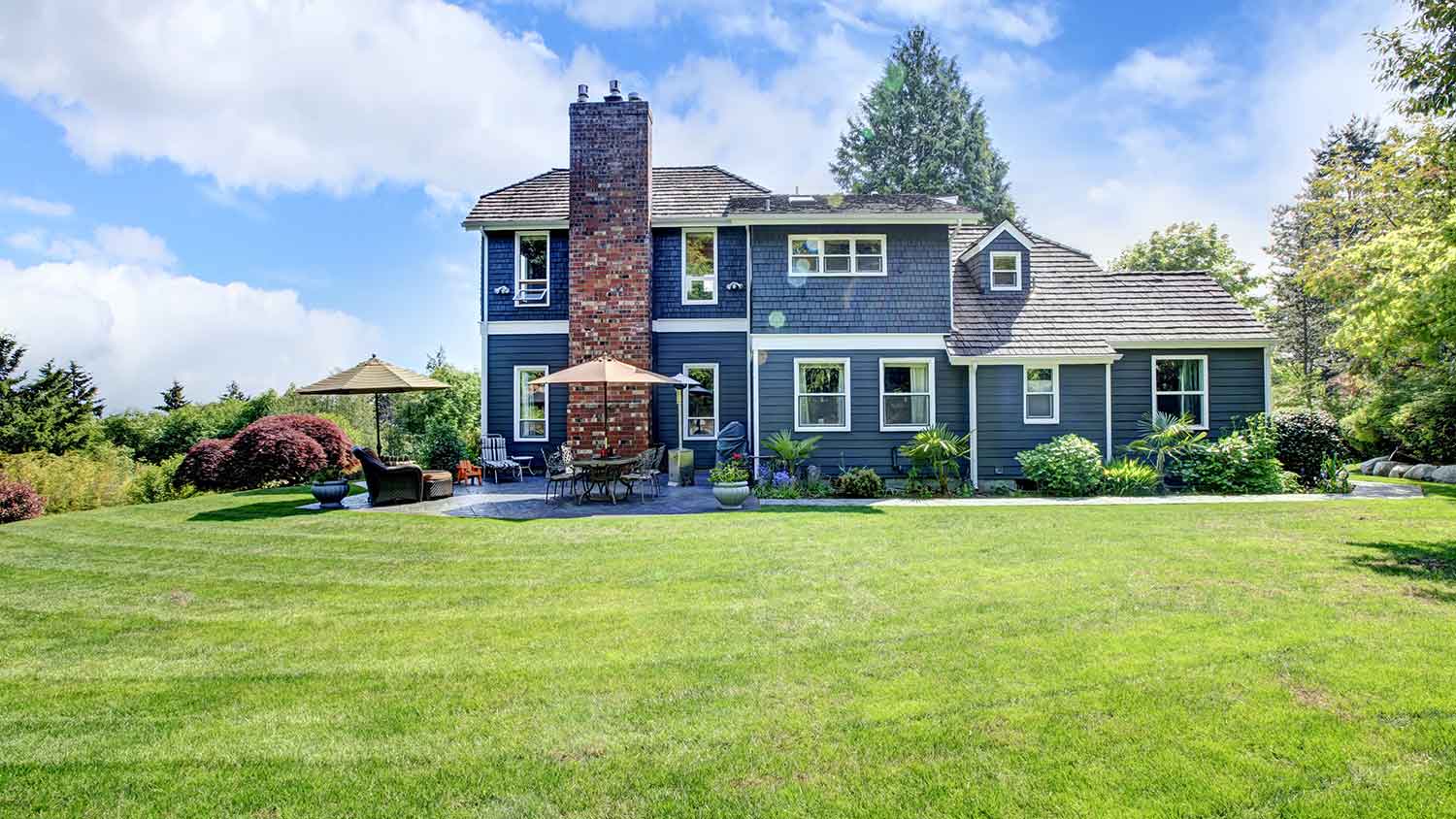
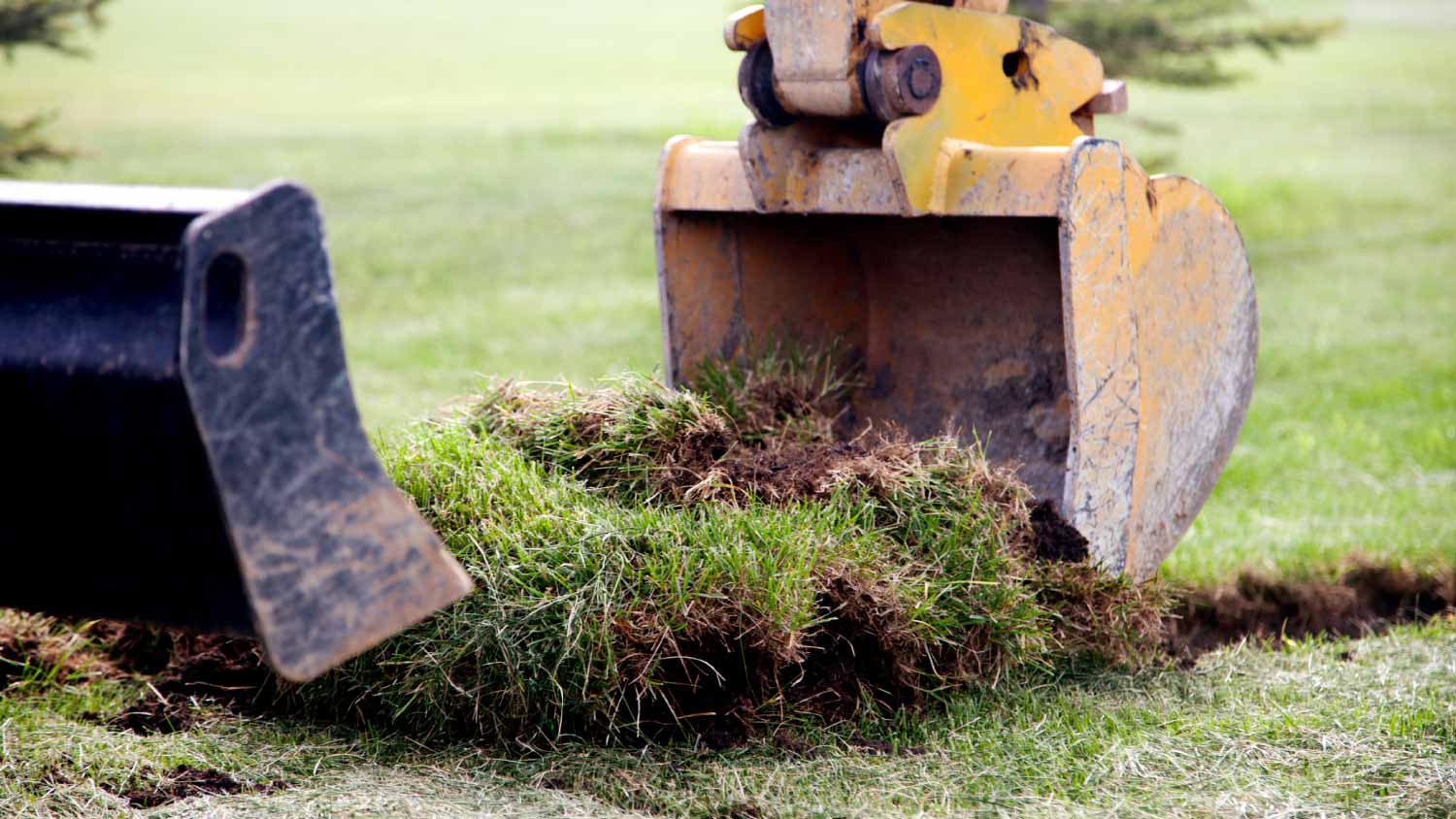
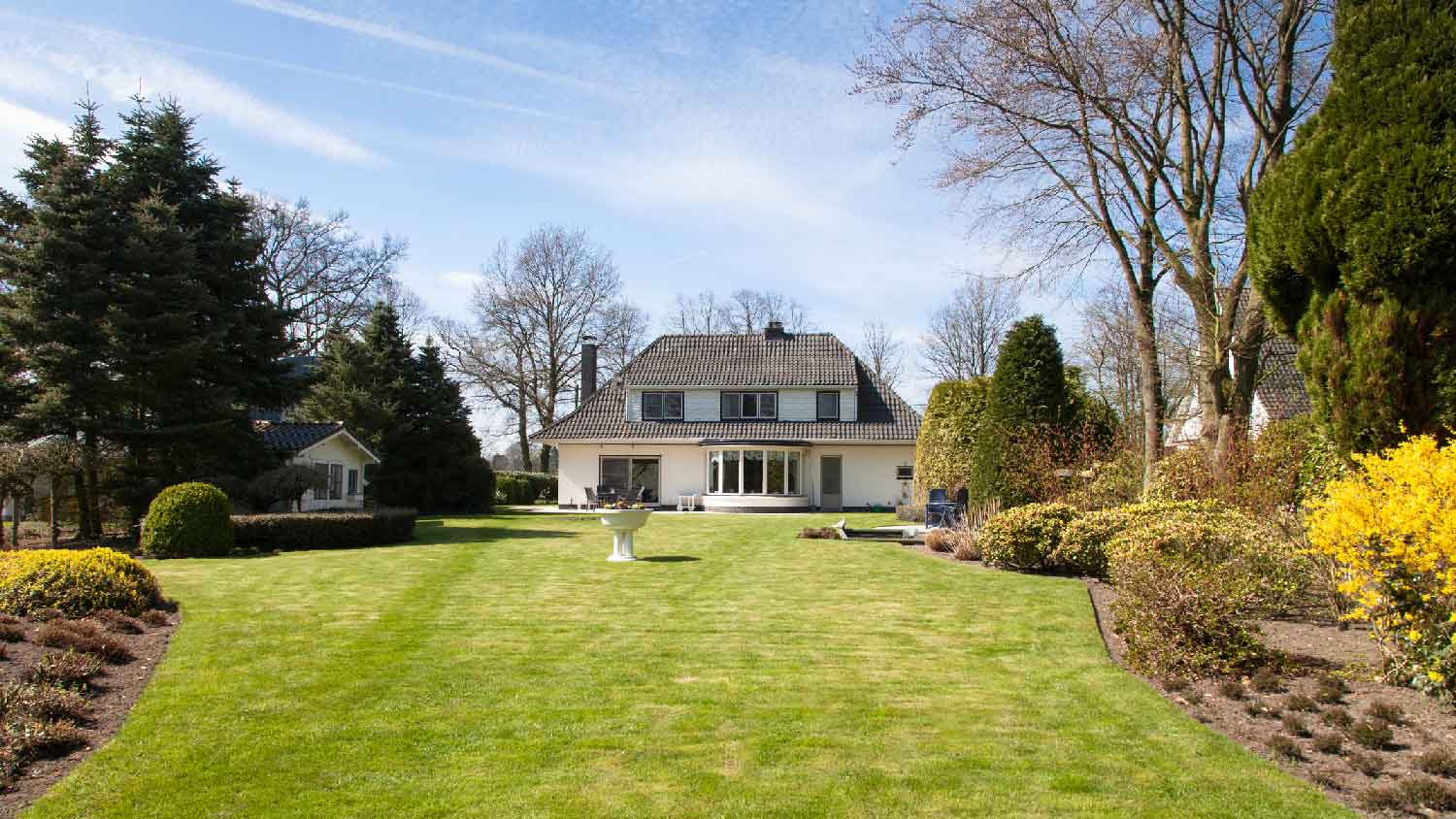
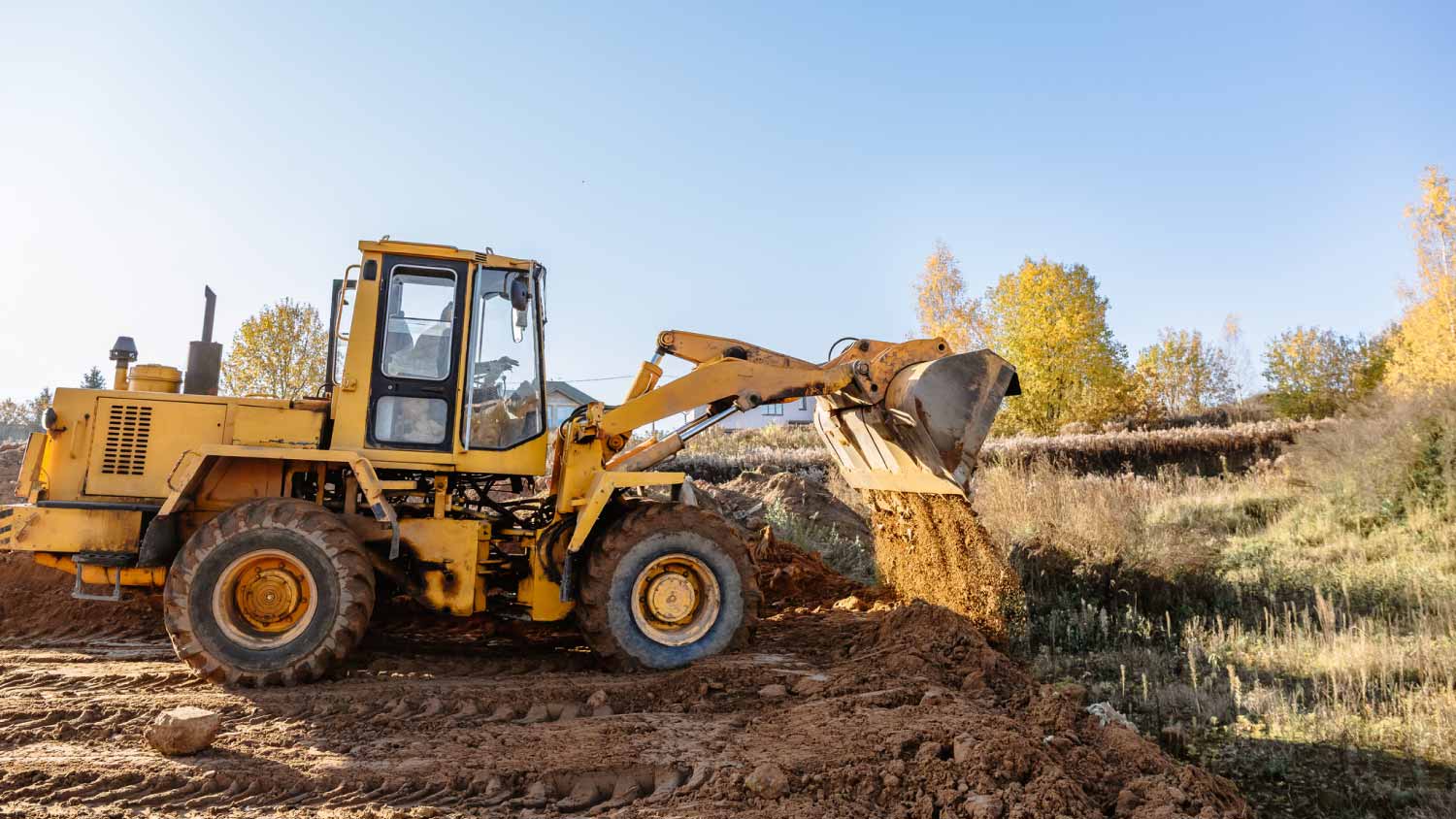
The Barlow, KY homeowners’ guide to land clearing services
From average costs to expert advice, get all the answers you need to get your job done.