



McKinney Construction
Plaster - Repair
Serving Quinter, KS and surrounding areas
In business since 1975
Free estimates
Credit card accepted
"He has worked on my home and office, does great work."
Recommended by100%of homeowners

*The Angi rating for Plaster Repair companies in Quinter, KS is a rating based on verified reviews from our community of homeowners who have used these pros to meet their Plaster Repair needs.
*The HomeAdvisor rating for Plaster Repair companies in Quinter, KS is a rating based on verified reviews from our community of homeowners who have used these pros to meet their Plaster Repair needs.
Last update on December 02, 2022
Serving Quinter, KS and surrounding areas
In business since 1975
Free estimates
Credit card accepted
"He has worked on my home and office, does great work."
Serving Quinter, KS and surrounding areas
In business since 2020
Free estimates
Credit card accepted
We provide on time on budget services to our customers satisfaction.
Serving Quinter, KS and surrounding areas
In business since 2017
Free estimates
Credit card accepted
"Heâ s great gets the job done and met my need also heâ s very friendly."
Serving Quinter, KS and surrounding areas
In business since 2000
Free estimates
Credit card accepted
Mr. Fix It & Son is a locally owned and operated home improvement contractor proudly serving Garden City, KS, and the surrounding area with over 30 years experience in the trade. We take pride in our customer service, professionalism, and attention to detail, making sure each and every project is "Done Right the First Time." We look forward to earning your business, and exceeding your expectations. Call today to schedule.
Serving Quinter, KS and surrounding areas
In business since 2000
Free estimates
Burns Construction, is a full service general contracting firm operating in the greater SW NE area for many years. We pride ourselves in our attention to detail and our unsurpassed customer service. The quality of our work speaks for itself and we look forward to working with you on your next project.
Serving Quinter, KS and surrounding areas
In business since 2000
Free estimates
Offers commercial services
We pride our company on competitive pricing, reliability, excellent communication, punctuality, and superior quality work. We are experts in our trade and will do our best to keep you as educated as we can on your painting project. We look forward to earning your business! Book with us online or feel free to give us a call today!
From average costs to expert advice, get all the answers you need to get your job done.
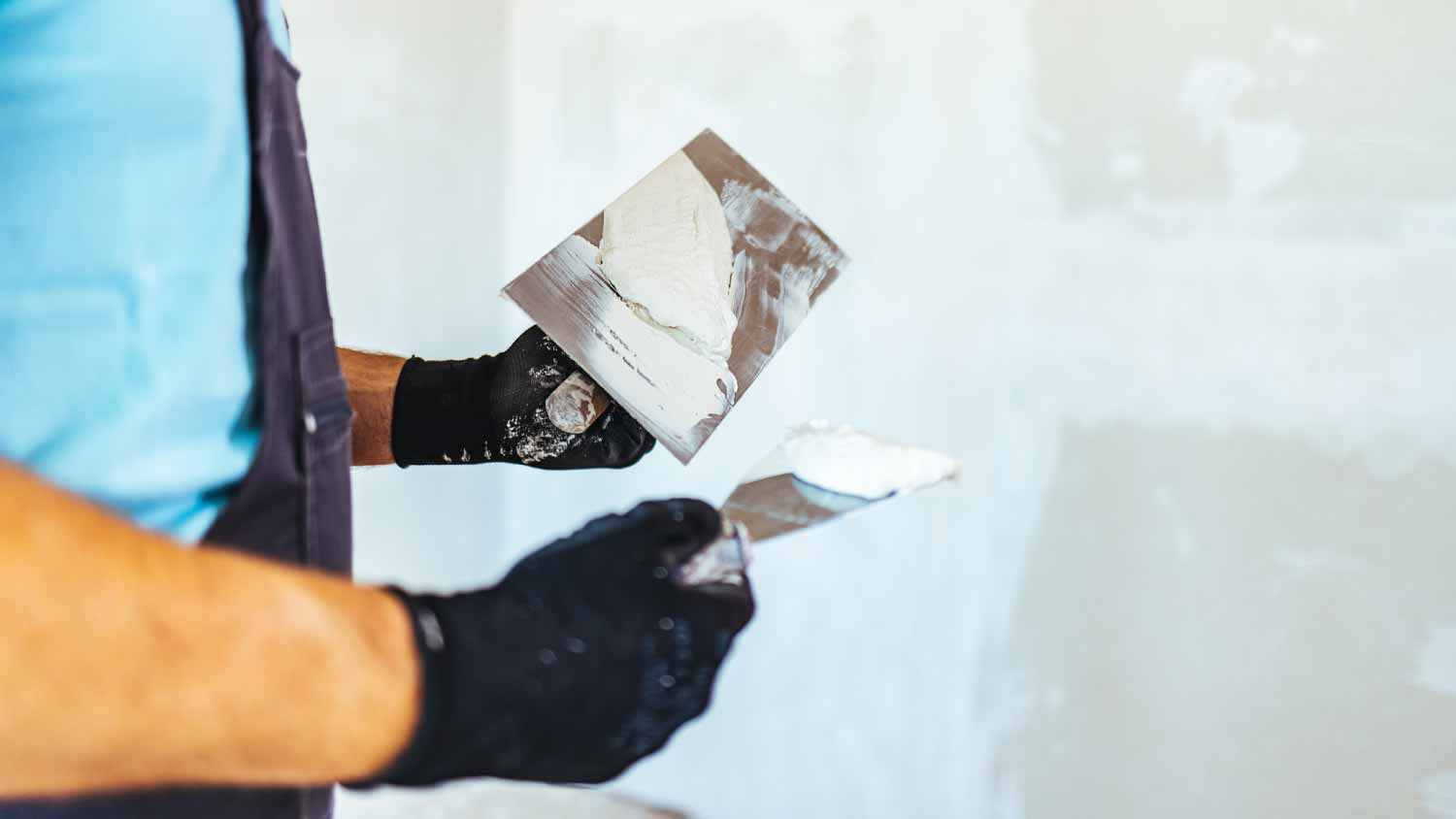
Plaster repair costs are determined by the size and type of damage. Discover why some fixes you can DIY and why some require a pro’s help.

The cost of plastering walls and ceilings depends on the room size and ceiling height. Our tips can help you estimate an accurate cost.
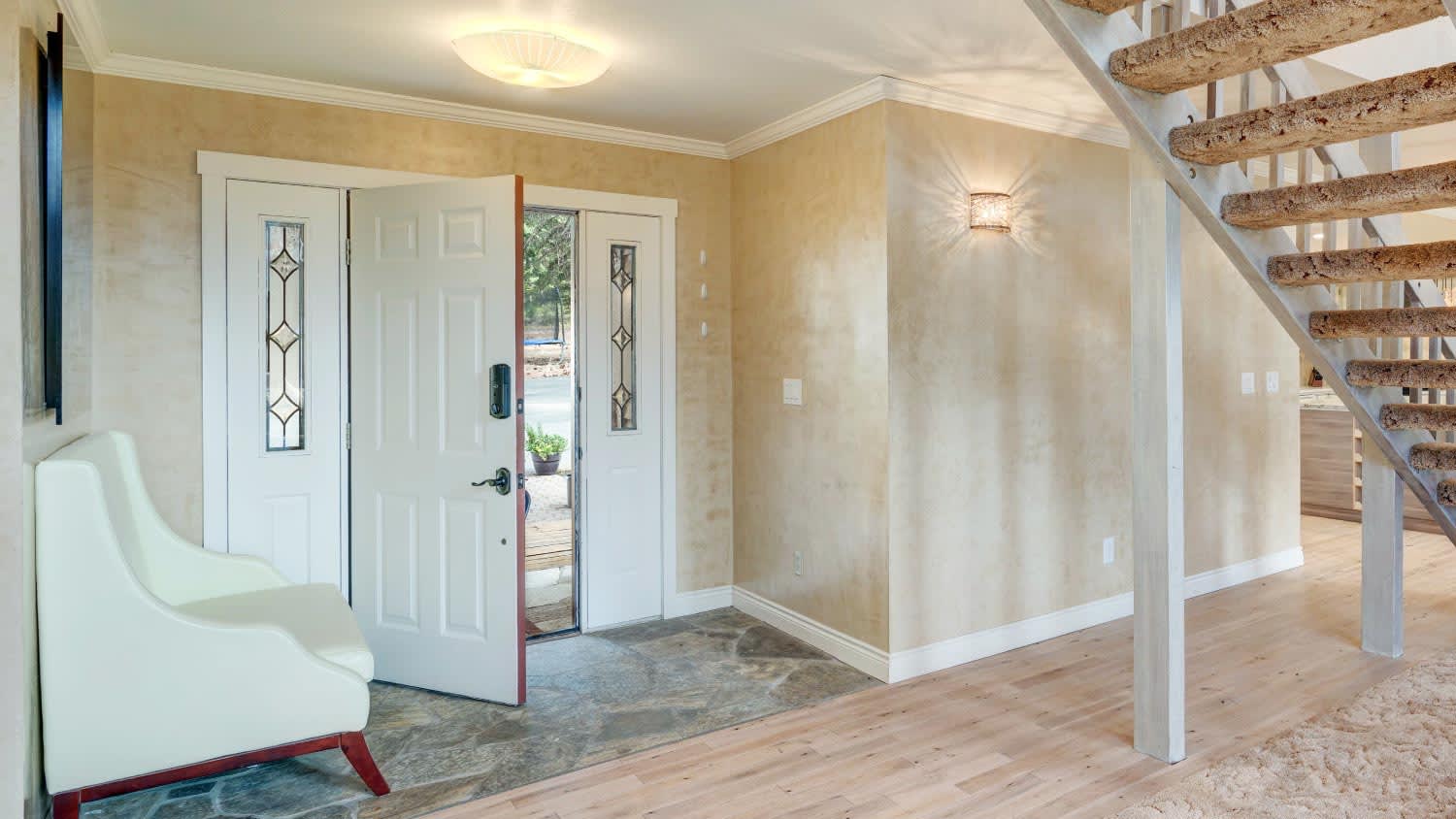
Venetian plaster can add depth and texture to your aesthetic. Learn how much Venetian plaster costs based on factors like square footage and whether you hire a pro to help.
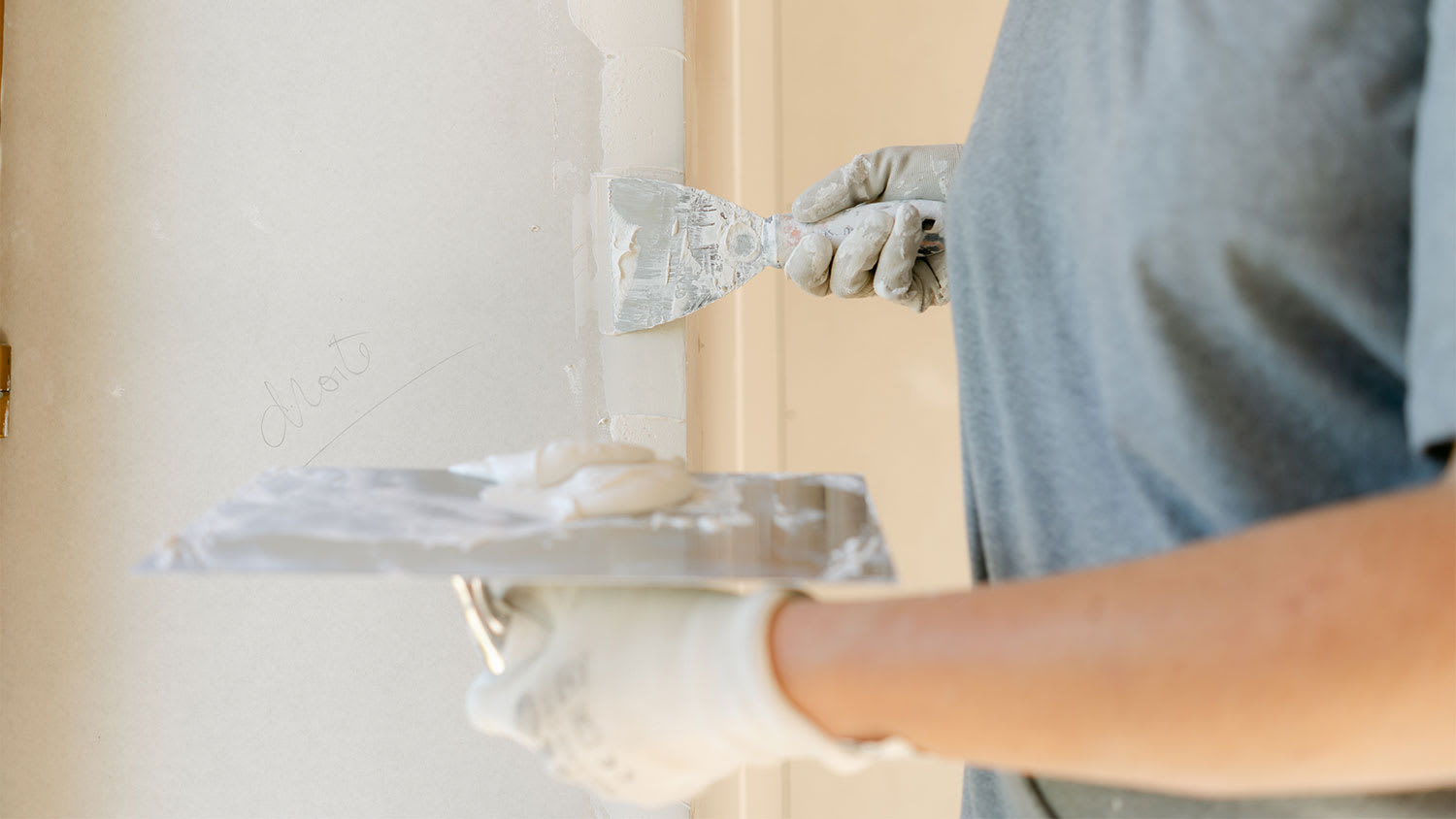
Finding a qualified plaster repair pro? Learn how to hire the right specialist, what questions to ask, and what to expect for your project.
Planning a plaster repair project? Learn about the process, average costs to expect, and how to hire the right local pro to restore your walls.

You can find plaster walls in a lot of older homes. What’s behind these walls—whether that’s lath or calcimine—can have an impact on how long they last. Finding out the age of your house can help you determine what you’re dealing with.