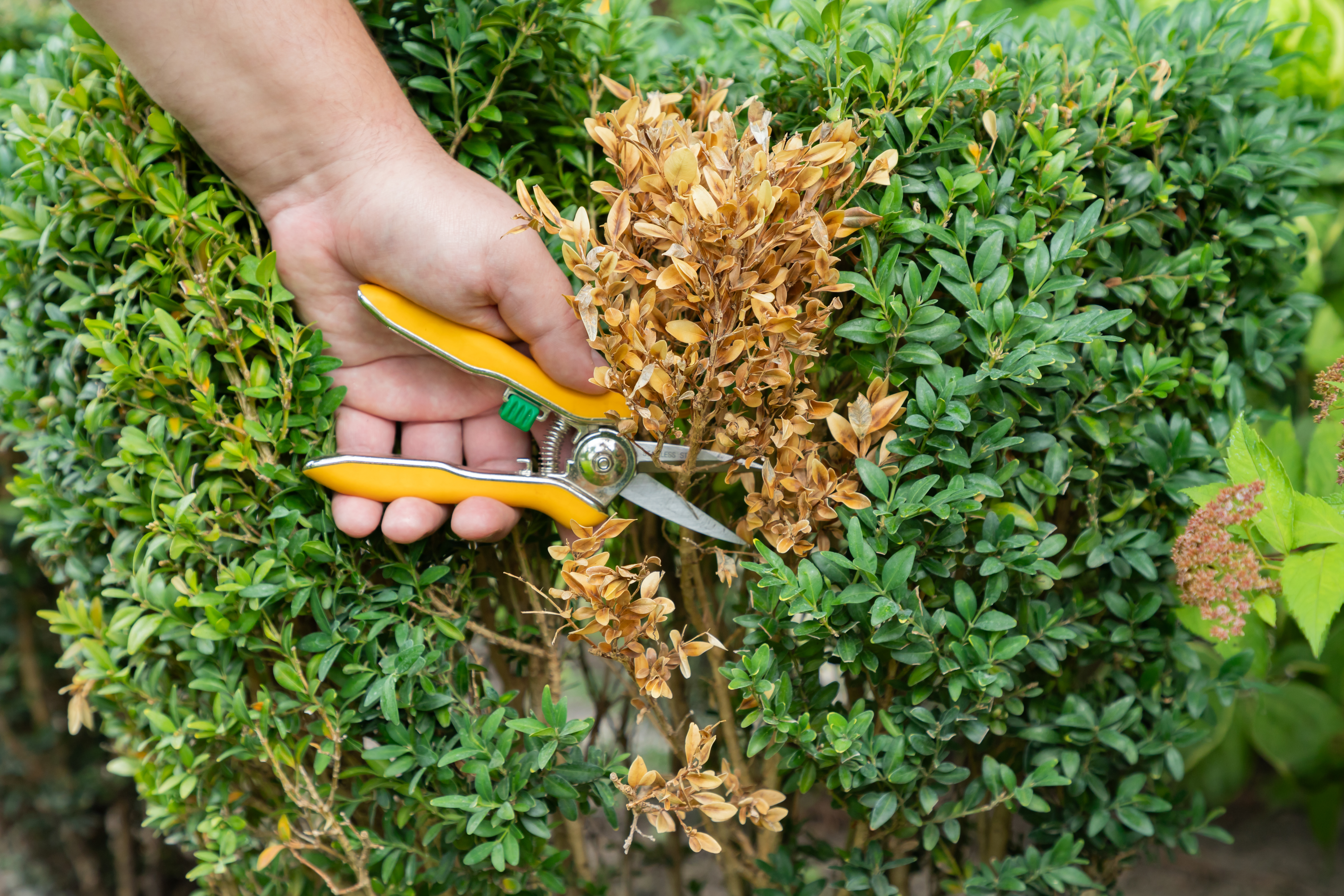
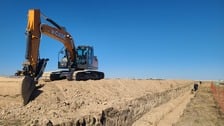
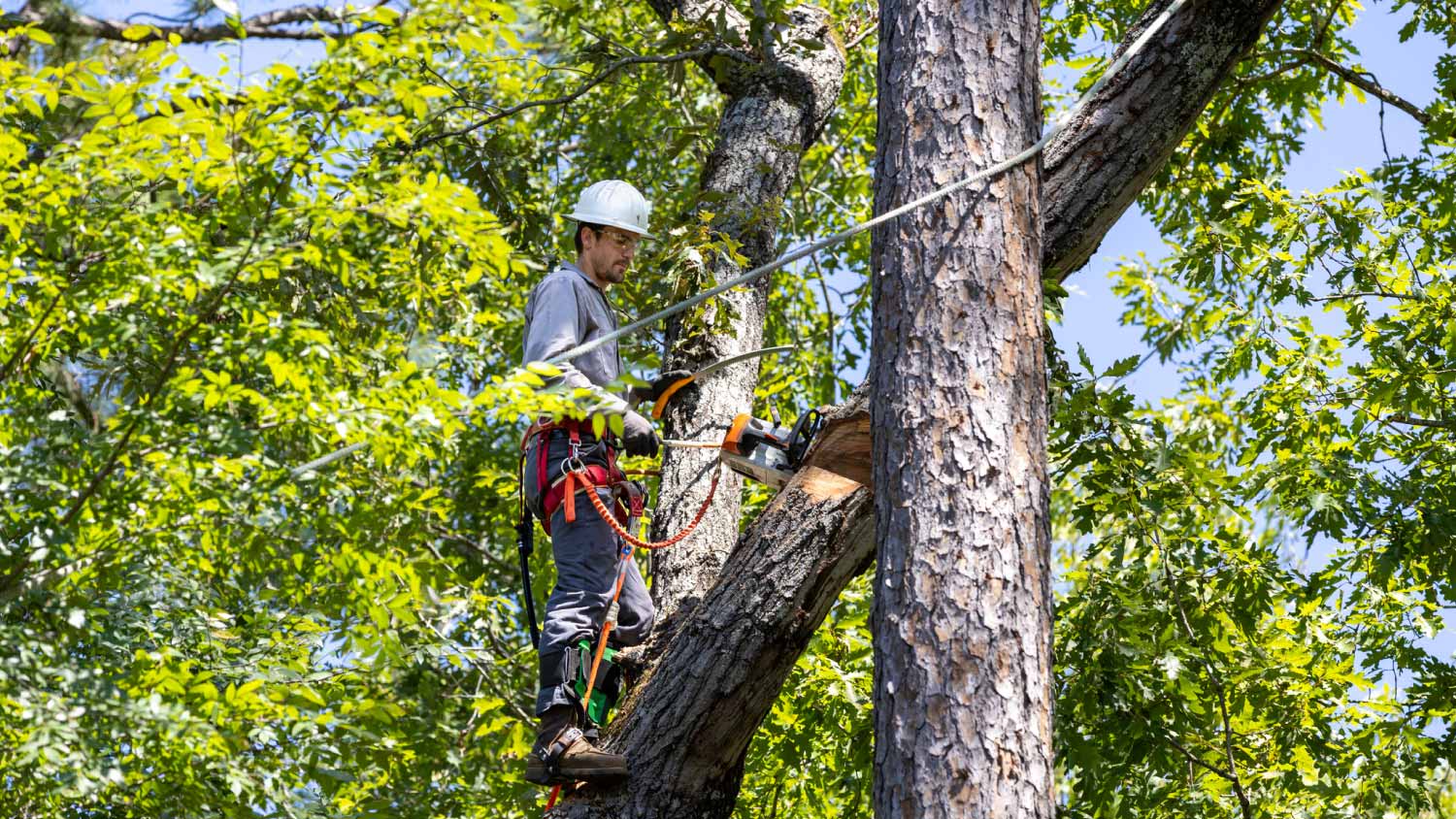
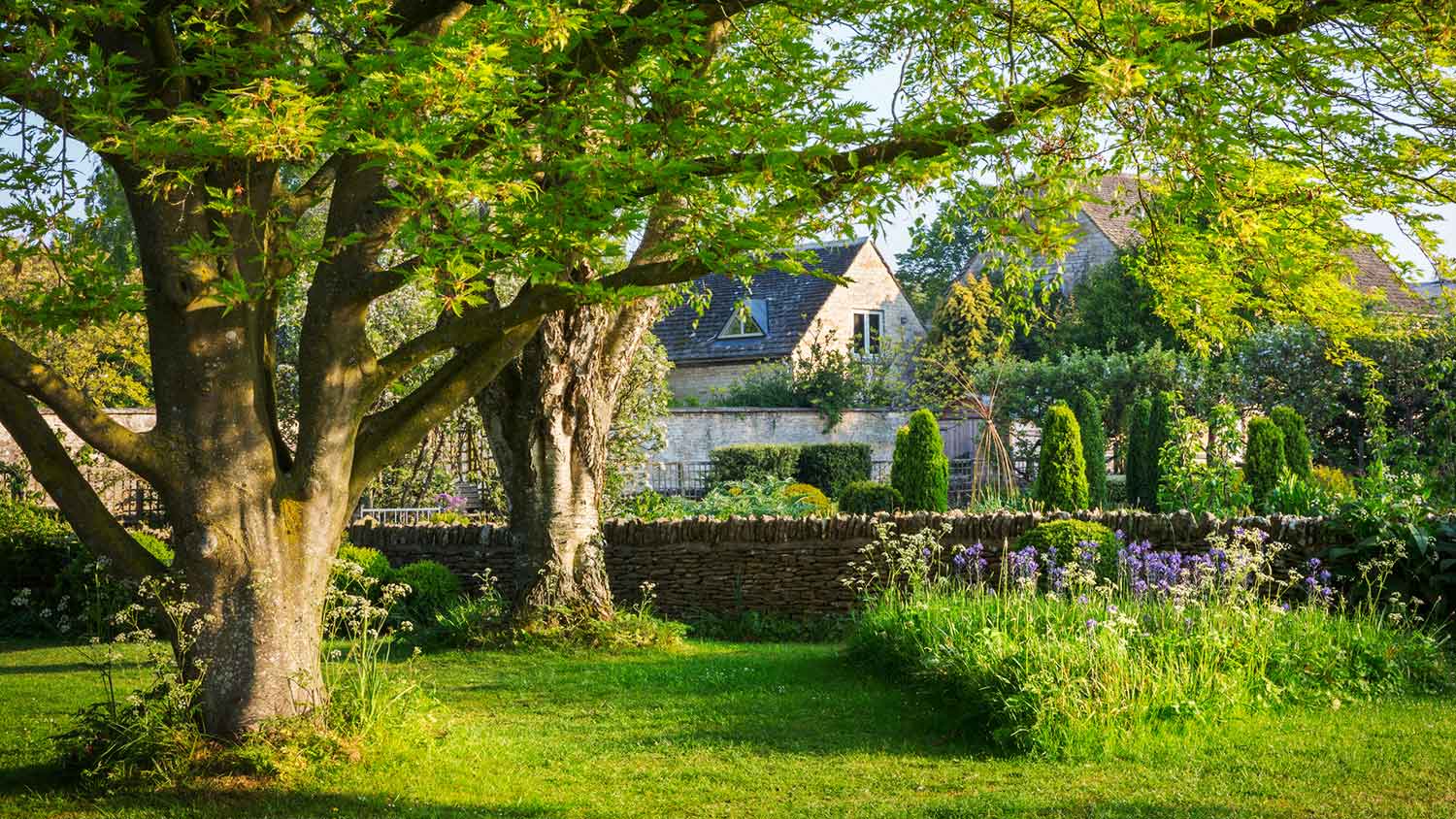
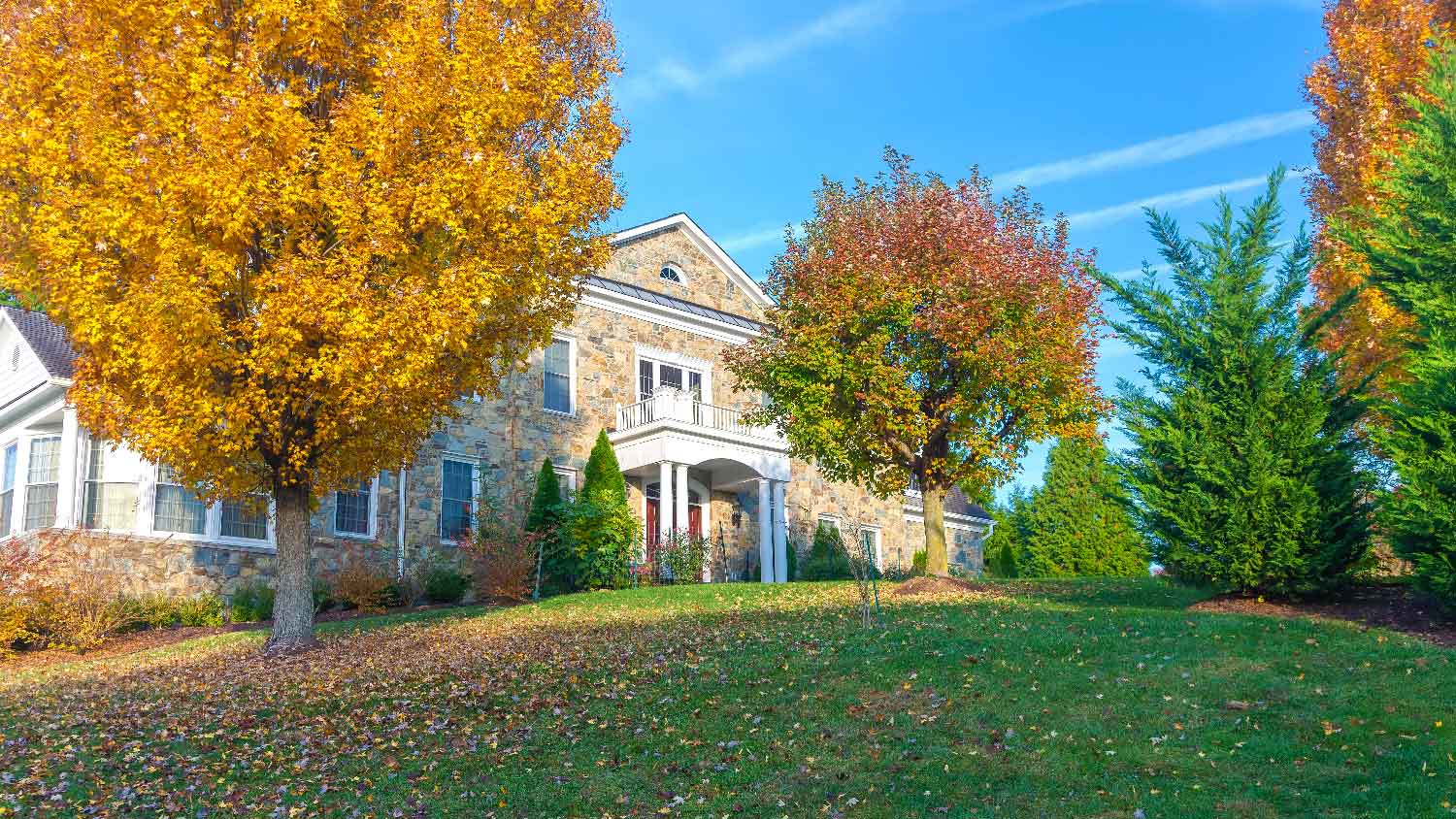
Ron's Tree Service is a locally owned and operated business since 2005 with a combined product knowledge spanning over the last 12 years. Able to help you with all your home's tree and lawn needs.
\n
Downey Lawn & Landscape is the premier outdoor installation specialist. Our crew members provide the highest quality service for rugged landscape needs. Contact us now for your outdoor improvements.
We pride our company on reliability, great communication,
\nintegrity, and quality work. We are experts in our trade and will do our best
\nto keep you as educated as we can on your particular task or project. We look
\nforward to earning your business!
\n
Hi my name is Joe, and I pride myself on reliability, great communication, integrity, and quality work. I strongly believe in giving my absolute best in all of the projects no matter how big or small. I am an expert in my trade and will always keep you educated on your particular task or project. I look forward to earning your business!
You can use a chainsaw, but it won’t remove the entire stump or root ball and is not a recommended method. It takes quite a bit of physical work to achieve and will likely dull or ruin your chainsaw. Instead, consider using salt, herbicide, light deprivation, boiling water, stump grinding, or burning to kill a tree stump. These methods allow you to kill a stump using minimal machinery and physical exertion.
Late winter is ideal, but if you’re pruning apple trees in the spring, prune them as early as possible in the season. You want to ensure your tree is just creeping out of dormancy and hasn’t started pushing out new growth. If you prune your tree too late into spring, you generally won’t see results until the following year.
That said, there’s no pruning season for unhealthy growth. Remove dead, dying, or diseased branches as soon as you notice them, regardless of the time of year.
You should avoid cutting off the top of mature cherry trees. This process is called tree topping, and it’s not recommended for cherry trees—or any trees, for that matter. Tree topping removes between one-third to half of the length of the tree trunk, resulting in structurally unsound, fruitless suckers. The only exception is for saplings. Young pie, sour, and tart cherry trees that are over 30 inches tall in the fall or winter before the tree blooms can benefit from heading cuts.
A tree growing close to a house can pose several risks, but removal isn't always the only or best solution. Potential problems include roots growing into the foundation and causing structural cracks, branches damaging the roof or promoting moss growth, and debris clogging gutters, which can lead to water damage. Trees can also provide access for pests and encourage mold. However, a small, healthy tree may not be a problem, and for larger, established trees, strategic trimming can be a cheaper and more beneficial alternative to removal. It is generally recommended to take action for trees within 10 to 20 feet of your home, especially if they are unhealthy or encroaching. Your best bet is to consult a professional arborist who can assess the specific situation and provide expert advice.
Completely topping a plum tree is a risky business. Cut too much, and you’ll kill your tree. That said, you do need to trim the top of your tree to encourage bushy growth, maintain your tree’s vase shape, and limit size.
A plum tree's central leader (or trunk) should never extend more than 3 feet above the highest branch. When you first plant your tree, cut the central leader so it’s 2 to 3 feet tall. As it grows, cut it back 12 to 20 inches until it reaches its desired height. Never prune more than one-third of the new growth.
The Montezuma, KS homeowners’ guide to arboricultural services
From average costs to expert advice, get all the answers you need to get your job done.
How much does an arborist cost? This guide explains the cost of different services, ongoing expenses, and other factors to consider when hiring an arborist.
Tree inspections can ensure your trees stay healthy and safe, preventing costly damage. Learn how much tree inspections cost and what can affect the price.
Arborists are specialized tree care experts. This guide will help you hire an arborist with all the qualifications to give your trees the best care possible.