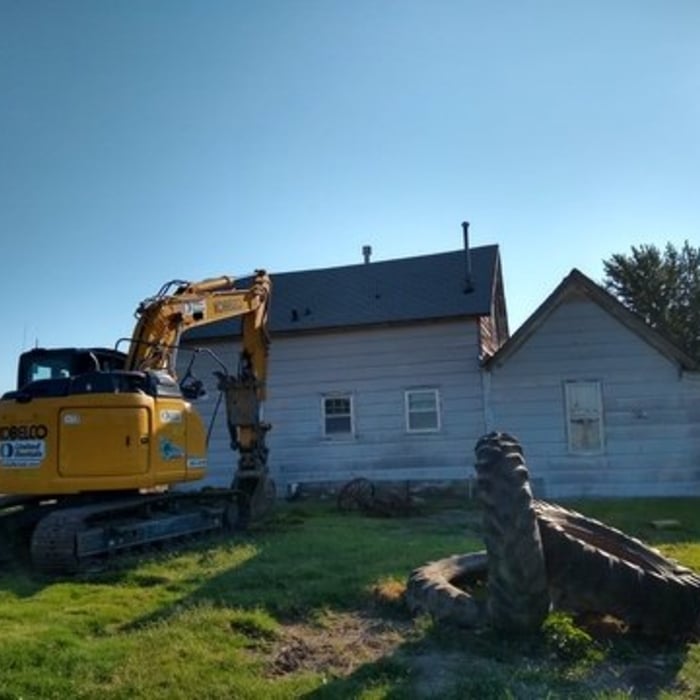
"I called Darren to come out and remove some old cotton wood stumps out of my yard. He was out within an hour and a half. He was fast and got the job done very quick. I've never had any tree service that good and friendly!"
Ron's Tree Service is a locally owned and operated business since 2005 with a combined product knowledge spanning over the last 12 years. Able to help you with all your home's tree and lawn needs. \n
Downey Lawn & Landscape is the premier outdoor installation specialist. Our crew members provide the highest quality service for rugged landscape needs. Contact us now for your outdoor improvements.
We pride our company on reliability, great communication,\nintegrity, and quality work. We are experts in our trade and will do our best\nto keep you as educated as we can on your particular task or project. We look\nforward to earning your business!\n
Hi my name is Joe, and I pride myself on reliability, great communication, integrity, and quality work. I strongly believe in giving my absolute best in all of the projects no matter how big or small. I am an expert in my trade and will always keep you educated on your particular task or project. I look forward to earning your business!
We take great pride in our experience, expertise, quality, and customer service that we provide to meet the consumer's needs. It is our mission to provide excellent workmanship and complete customer satisfaction from start to completion of a project. In order to understand the needs and expectations of our customers, we take great care to work and communicate with every customer in a professional manner. Our reputation is based on service, safety, and quality, regardless of how large or small the job.
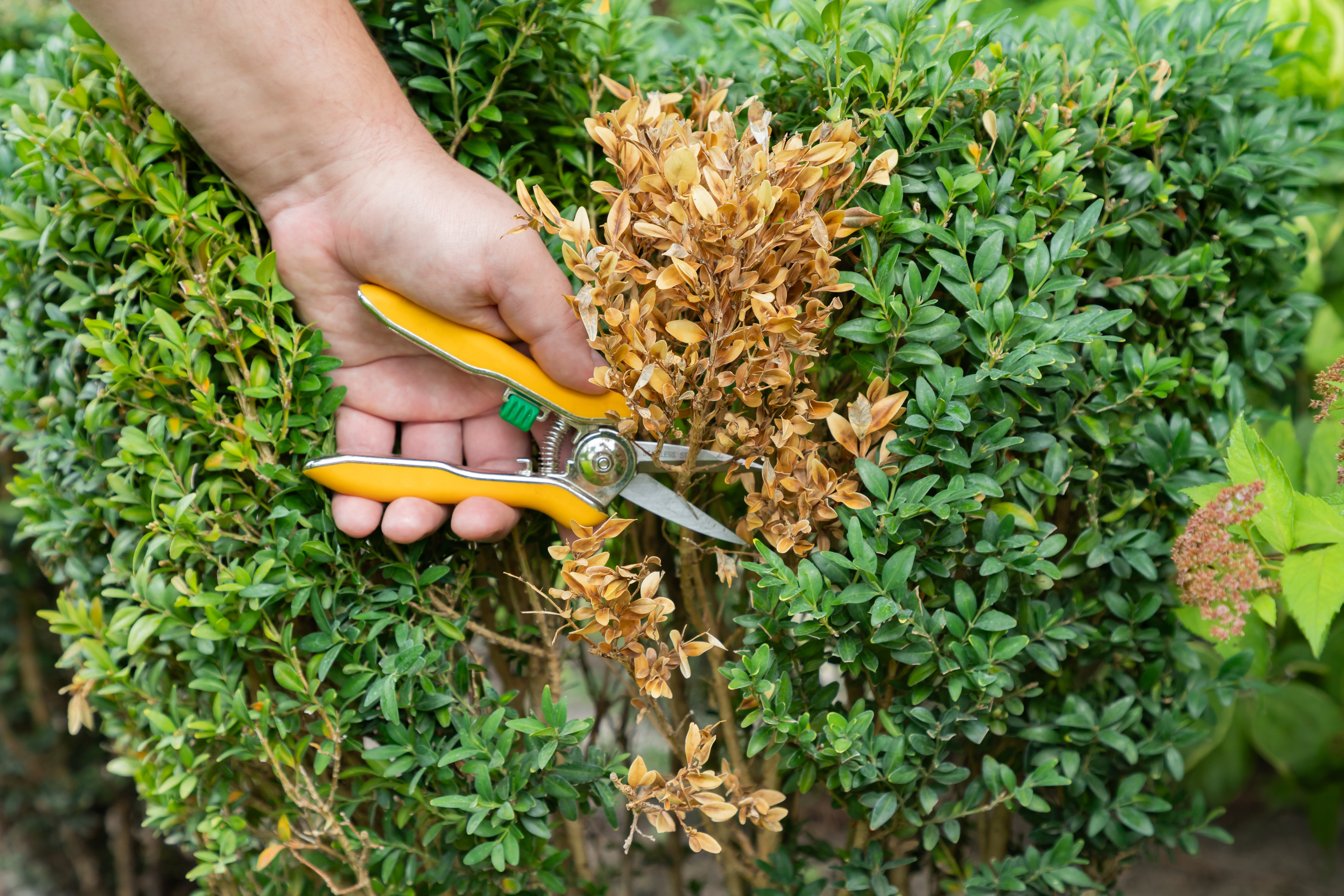
Trees should be pruned every two to five years, depending on its age and type. Young trees should be inspected and pruned every two to three years. Mature trees should be inspected and trimmed every three to five years, and fruit trees should be pruned annually with a careful eye on seasonal growth. Evergreens typically don’t need pruning, unless branches or limbs are damaged, diseased, or harboring pests.
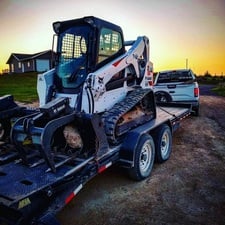
Yes, forestry mulching can grind stumps, but the level of effectiveness depends on the equipment used. Drum mulchers can break down smaller stumps, but larger or deep-rooted stumps may require a dedicated stump grinder for complete removal. If full stump removal is necessary for replanting or construction, additional excavation may be needed. Always check with your forestry mulching provider to confirm whether they offer stump grinding and if their equipment is suitable for your specific needs.
The amount of time it takes for a tree trunk to rot depends on several factors, including the tree’s size, species, and environmental conditions. It can take anywhere from a few years to several decades for a tree’s trunk to rot. A tree stump, on the other hand, can take up to 10 years to disappear after it’s decayed naturally.
Make sure the tree roots soak around a day before you dig the tree up for the transplant. Keep the roots wet while the tree is above ground. After the transplant is finished, provide consistent water every day for the first month or so. You don’t want to overwater the tree, but you do want to keep the roots wet so they can thrive in their new environment.
Large, established tree branches won’t grow roots, but if you find a young tree branch that’s less than about a year old, you’ve got a shot. Put it in water or soil as soon as possible for best results. You’ll know the branch is viable if it’s about the thickness of a pencil and has some leaves or needles.
The Jetmore, KS homeowners’ guide to arboricultural services
From average costs to expert advice, get all the answers you need to get your job done.
How much does an arborist cost? This guide explains the cost of different services, ongoing expenses, and other factors to consider when hiring an arborist.
Tree inspections can ensure your trees stay healthy and safe, preventing costly damage. Learn how much tree inspections cost and what can affect the price.
Arborists are specialized tree care experts. This guide will help you hire an arborist with all the qualifications to give your trees the best care possible.