Top-rated radon detection and reduction specialists.

Get matched with top radon detection and reduction specialists in Jetmore, KS

Enter your zip and get matched with up to 5 pros

Need a pro for your radon detection and reduction project in Jetmore, KS?

Select your specific project to find the pro for you.

Find Radon detection and reduction specialists in Jetmore

Heartland Enviromental
4.9(
32
)
Radon Gas - AbatementRadon Gas - Testing

Serving Jetmore, KS and surrounding areas

In business since 2004

Free estimates

Credit card accepted

"Dan, did a good job of radon gas mitigation. We are under retesting the radon make sure it has lower than 4 level. We are going to update the full experience with Heartland Environment once the job and radon result came back. As of now, this company deliver the good service. Thank you"
Response time11 hrs
Response rate89%
21 neighbors recently requested a quote
Radon Detection and Reduction questions, answered by experts

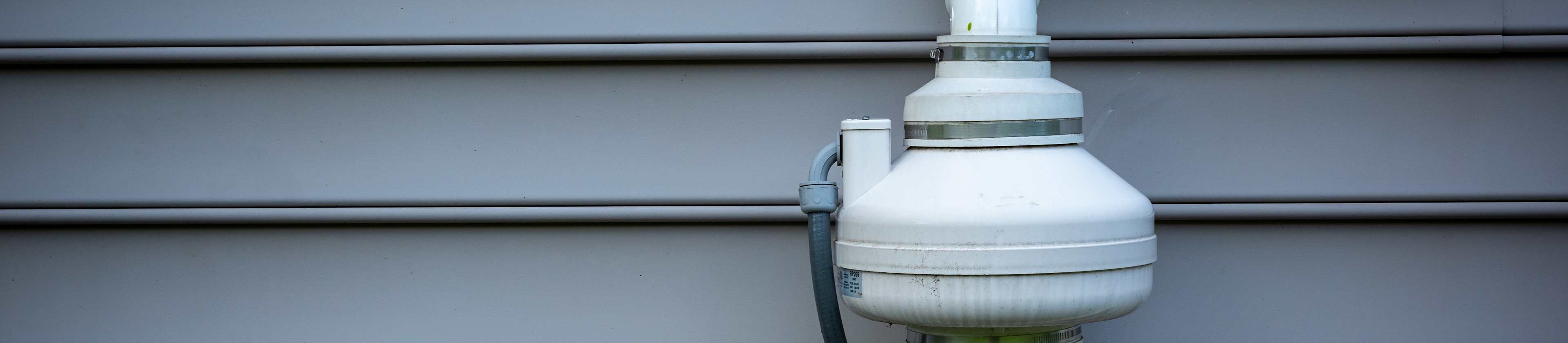
The cost to replace a radon fan ranges from $300 to $600 for the fan itself, with installation adding an additional $200 to $500. Overall, the total cost for replacement can range from $500 to $1,100, depending on factors such as the fan model, home size, and local labor rates. If the fan is part of a larger radon mitigation system, the price may be higher.

No, radon mitigation systems do not decrease home value or make a home harder to sell. In areas where homes experience similar radon exposure risks, a radon mitigation system is viewed as an improvement. Potential homebuyers often opt to buy a home with a radon mitigation system already installed to reduce the risk of cancer for their families.

The soil beneath your house is most likely what’s causing an increased level of radon. This is because soil holds radioactivity for a long time and it’s also what most buildings are built on. Another common source of radon is water from a source that hasn’t been through periodic radon tests, such as well water. Over time, the radon from the soil can inhabit other parts of your house like the foundation or plumbing.

Keeping radon from getting into your home is much better than having to get rid of it once it's already indoors. While there may not be a way to fully prevent radon from getting into your home, there are things you can do to reduce the gas's ability to enter. 

Sealing foundation cracks and openings can help keep the gas from seeping inside. Improving air flow, such as by opening windows, can also be helpful. If you're building your home from scratch, talk to your contractor about using radon-resistant construction to keep the gas out.

Use a radon test kit or hire professionals to conduct a detailed assessment of radon levels in your home.

The Jetmore, KS homeowners’ guide to radon detection and reduction services

From average costs to expert advice, get all the answers you need to get your job done.