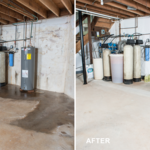
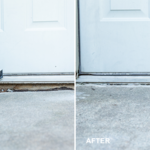
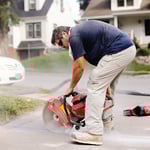
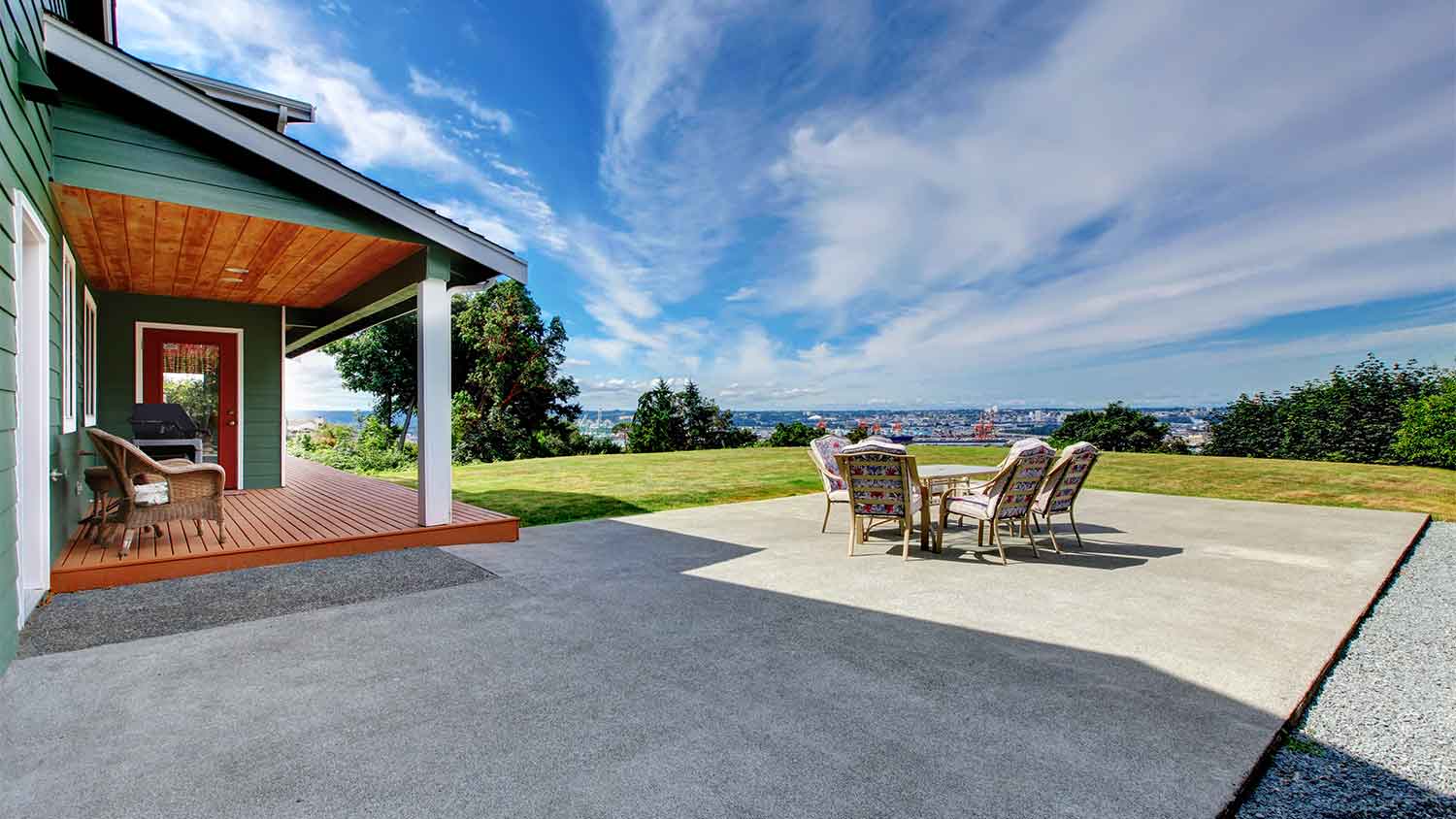
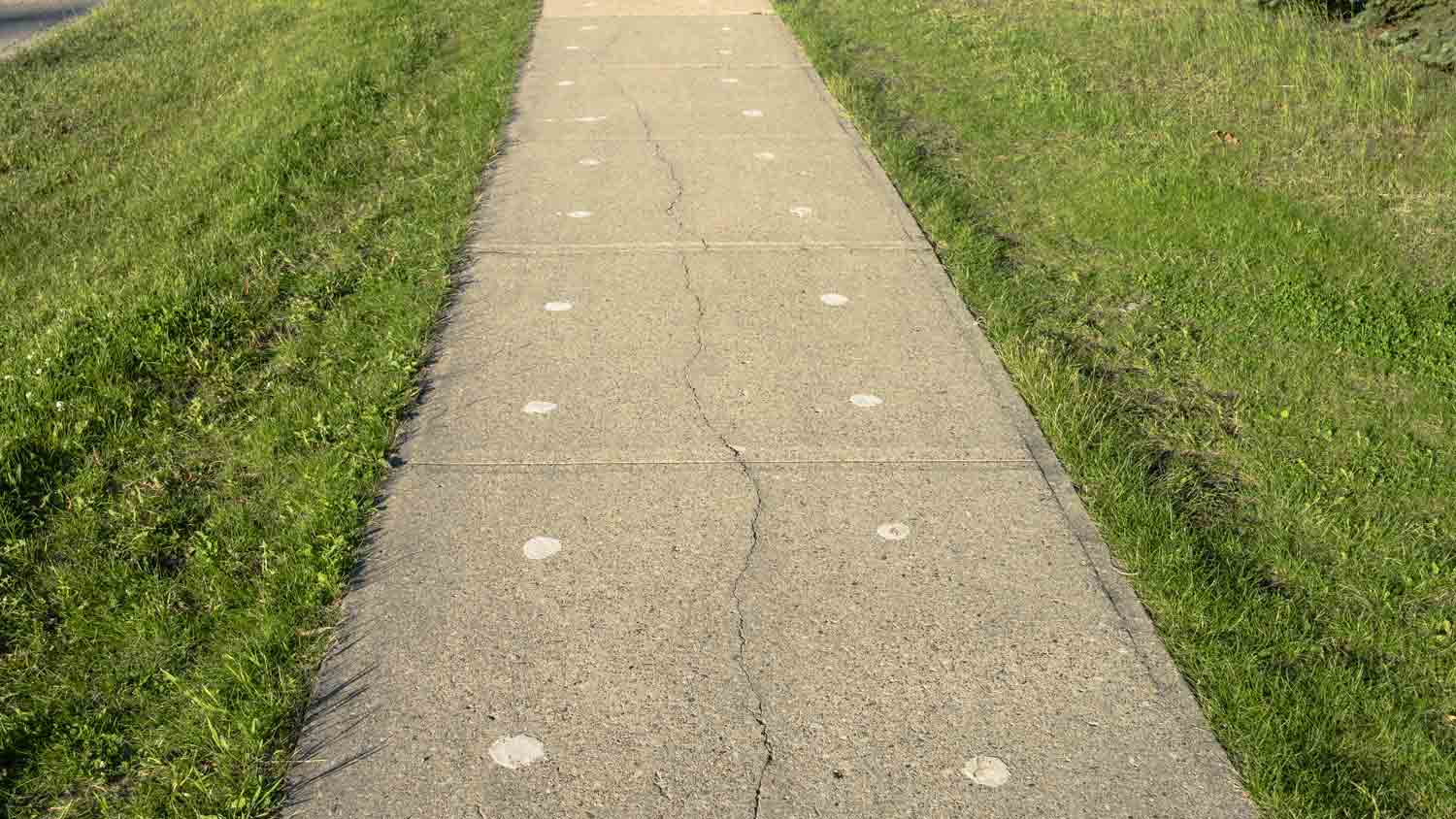
"Thrasher did an excellent job repairing our driveway. They leveled out the entire driveway with amazing precision, and they fixed all the gaps with an attractive sealant that blends beautifully with the concrete. All of the team members I interacted with were professional and polite. I am very pleased with the results and only wish I’d called them sooner."
"I am very pleased with the results of my concrete leveling project done by Peak Structural. JT was responsive to requests for multiple estimates and to answering my questions as I was deciding exactly what work I wanted done. Mike and Aven were friendly, explained things thoroughly and cleaned up the project site completely. Peak had the most competitive price, and they were very fair in adjusting the final price when we mutually decided that it was best not to proceed with one portion of the project."
San Dynasty Mgt. and Construction is a well established company in Garden City,
\nwhich serves the surrounding communities too. We offer the best in
\ncustomer service as well as professionalism. We pride ourselves on
\nintegrity so our work speaks for itself. Call us for your next job.
\n
Concrete Mudjacking questions, answered by experts
Address drainage issues, avoid heavy loads, and seal cracks to prevent future settling.
Polyjacking can be a permanent solution to sunken concrete if you also address the underlying issue—like poor drainage—at the same time. The polyurethane material itself can last as long as or even outlast the concrete you’re lifting it with. Your sunken concrete issue will likely return if you don’t couple polyjacking with proper drainage to prevent future soil movement and sinking.
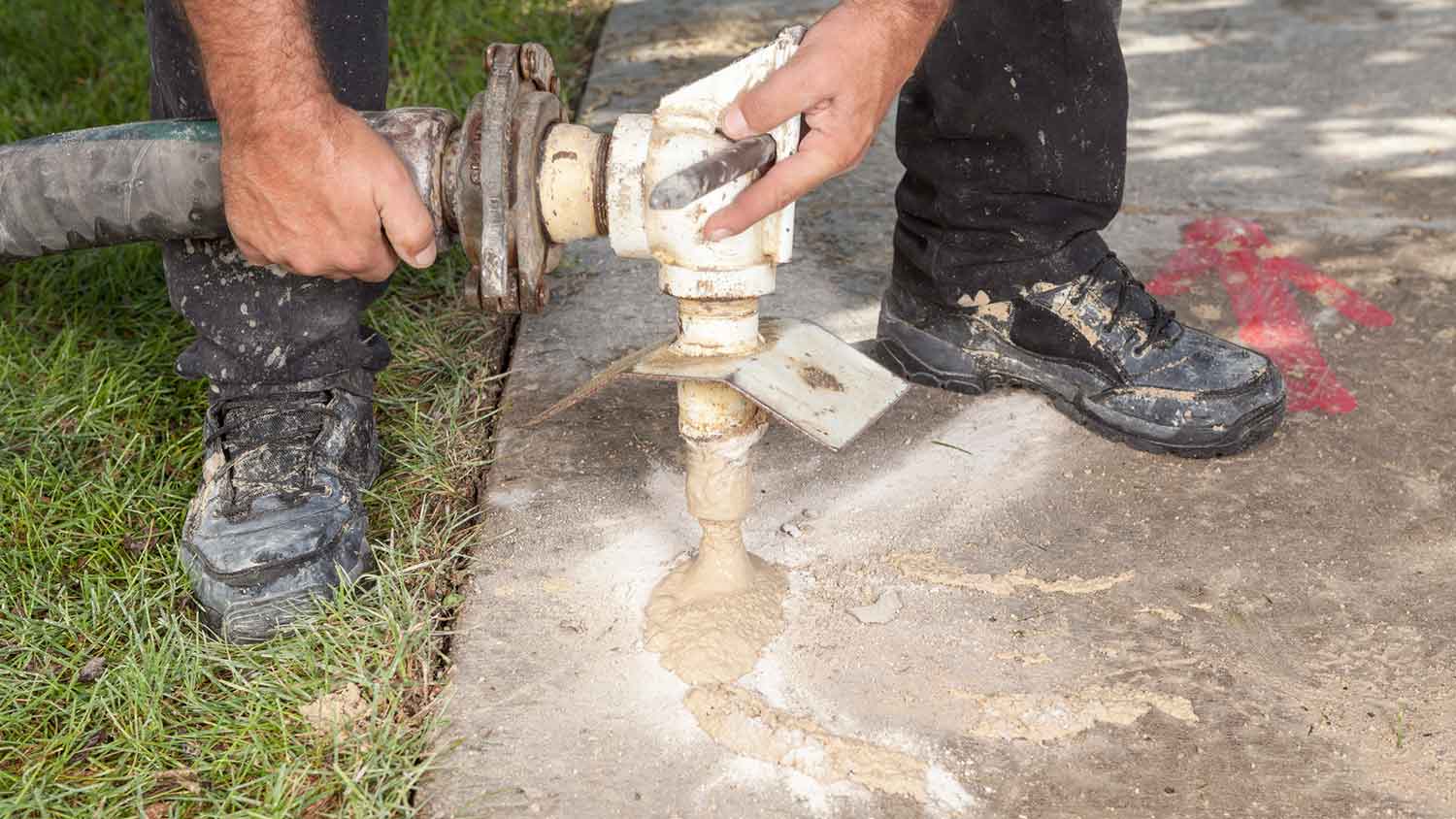
It’s best not to perform mudjacking in the winter unless the ground temperature remains above freezing. Freezing temperatures can cause the slurry to harden too quickly, compromising its strength and longevity. Concrete is also more susceptible to cracking and splitting in cold temperatures, so there’s a higher risk of damaging the slab during the drilling and lifting process in winter.
Yes, you can mudjack cracked concrete, but the cracks will need to be repaired once the concrete has been leveled. If the concrete is severely cracked in multiple places, replacement may be a better option, but for less severe cracking, mudjacking is a good solution as long as cracks are correctly caulked and sealed.
Mudjacking restores level surfaces, prevents further damage, and is more cost-effective than a full replacement.
The Jetmore, KS homeowners’ guide to concrete mudjacking services
From average costs to expert advice, get all the answers you need to get your job done.
DIY mudjacking is an advanced task, but learning how to raise a concrete slab is great to know for many scenarios. Let's take a look at how to DIY mudjack.
Sunken concrete can be a structural issue, but a professional can easily repair it. Ask these concrete injection leveling and mudjacking questions before you hire.