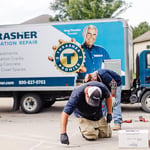
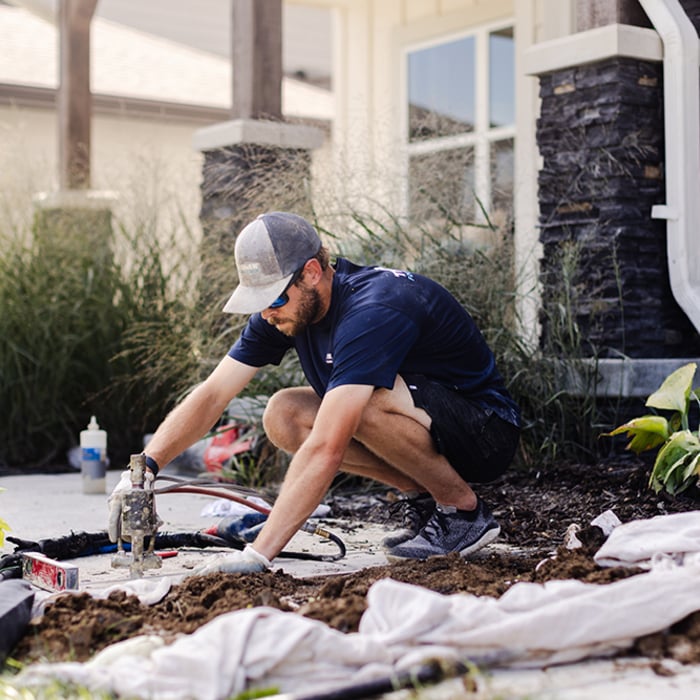
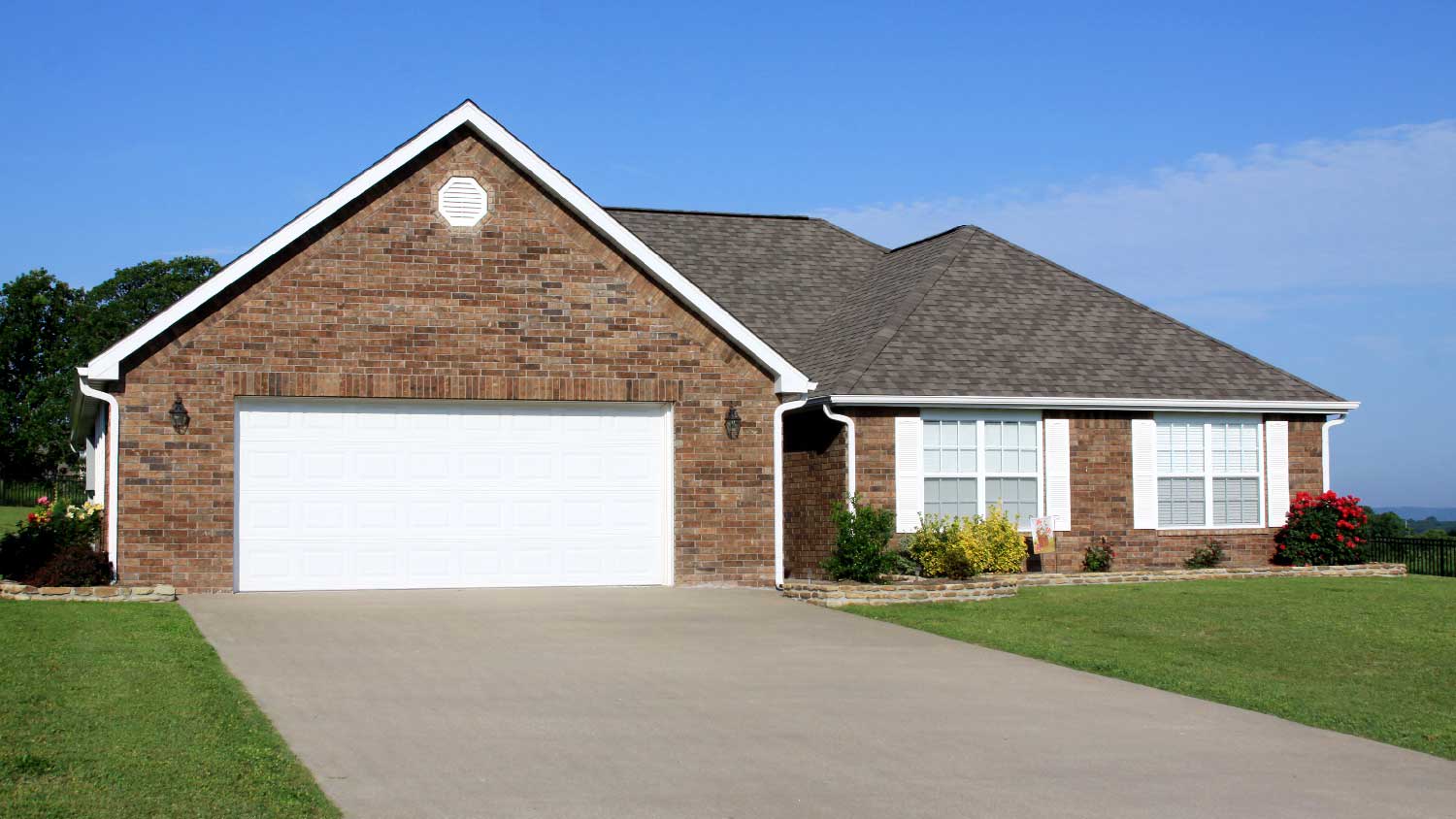
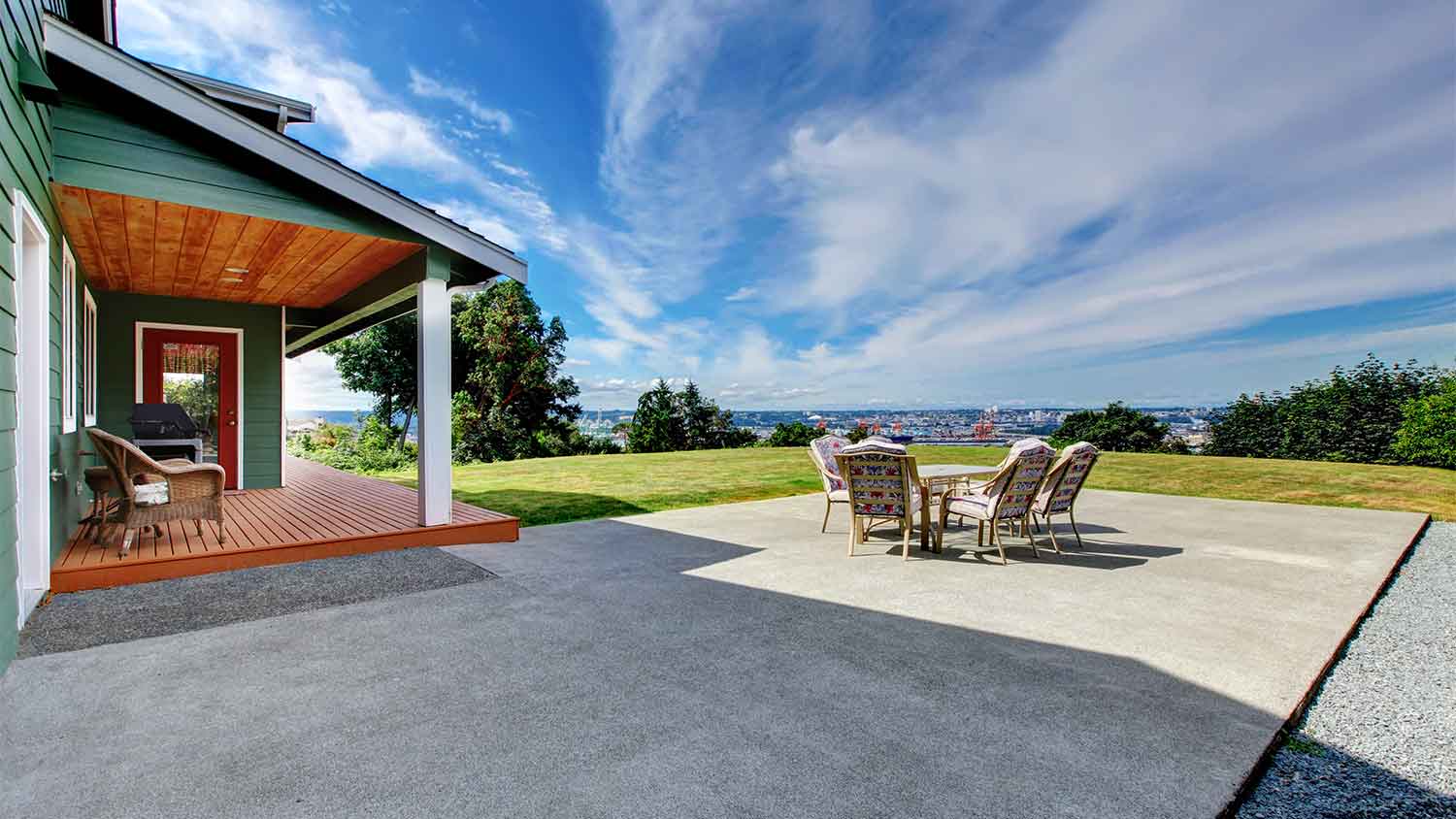
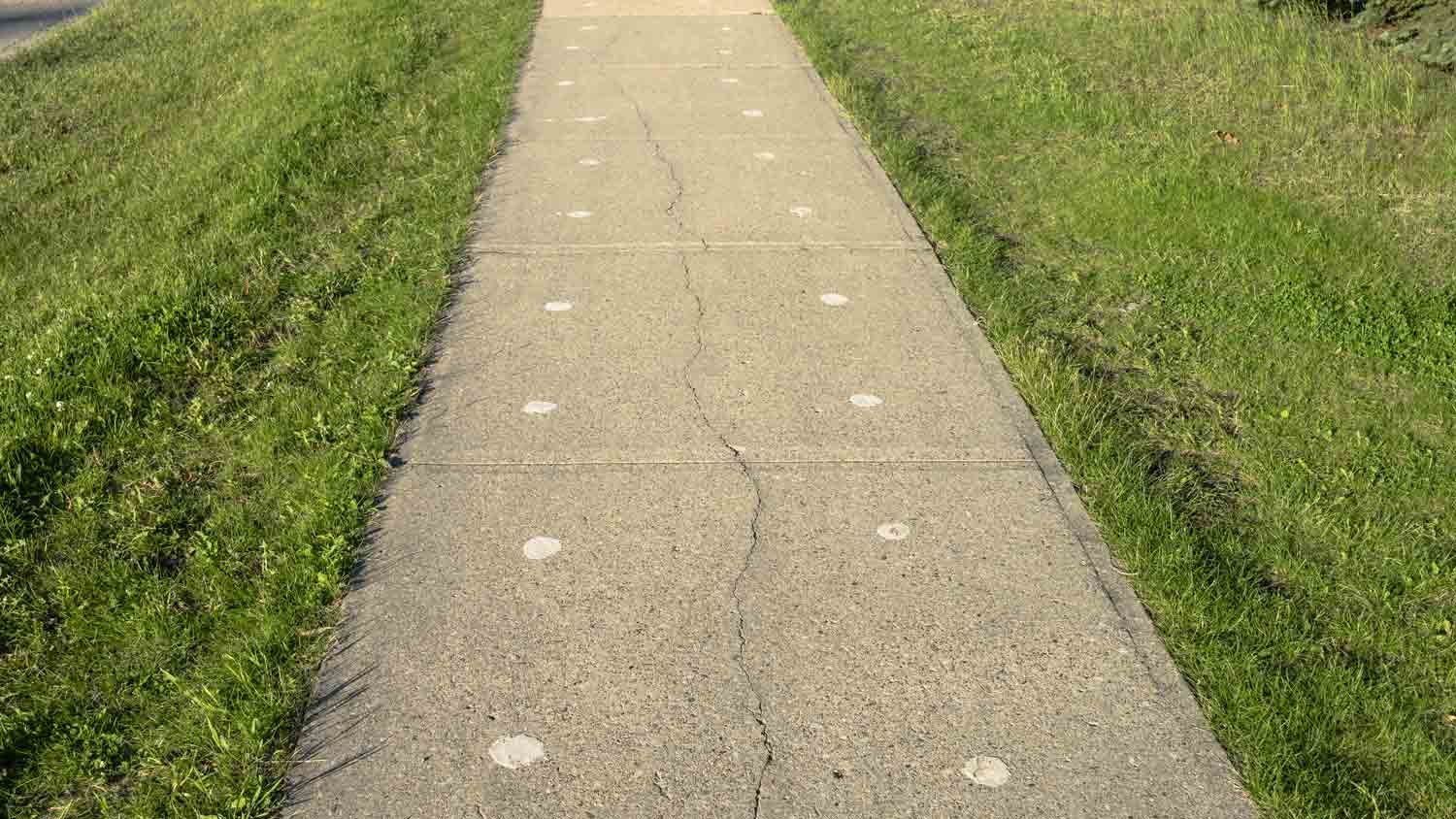
"Thrasher did an excellent job repairing our driveway. They leveled out the entire driveway with amazing precision, and they fixed all the gaps with an attractive sealant that blends beautifully with the concrete. All of the team members I interacted with were professional and polite. I am very pleased with the results and only wish I’d called them sooner."
"I am very pleased with the results of my concrete leveling project done by Peak Structural. JT was responsive to requests for multiple estimates and to answering my questions as I was deciding exactly what work I wanted done. Mike and Aven were friendly, explained things thoroughly and cleaned up the project site completely. Peak had the most competitive price, and they were very fair in adjusting the final price when we mutually decided that it was best not to proceed with one portion of the project."
San Dynasty Mgt. and Construction is a well established company in Garden City,
\nwhich serves the surrounding communities too. We offer the best in
\ncustomer service as well as professionalism. We pride ourselves on
\nintegrity so our work speaks for itself. Call us for your next job.
\n
Concrete Mudjacking questions, answered by experts
Generally speaking, push piers—or steel piers—are the best option for underpinning, as they reach down to solid bedrock to find support for your foundation rather than relying on soil, which could be subject to the same issues as the soil directly below your foundation. However, the best underpinning method for your home depends on your location, how far down the bedrock is, and the type of soil in your area. Helical piers are usually the best option for sandy soil or in areas where the bedrock is too deep to use steel piers.
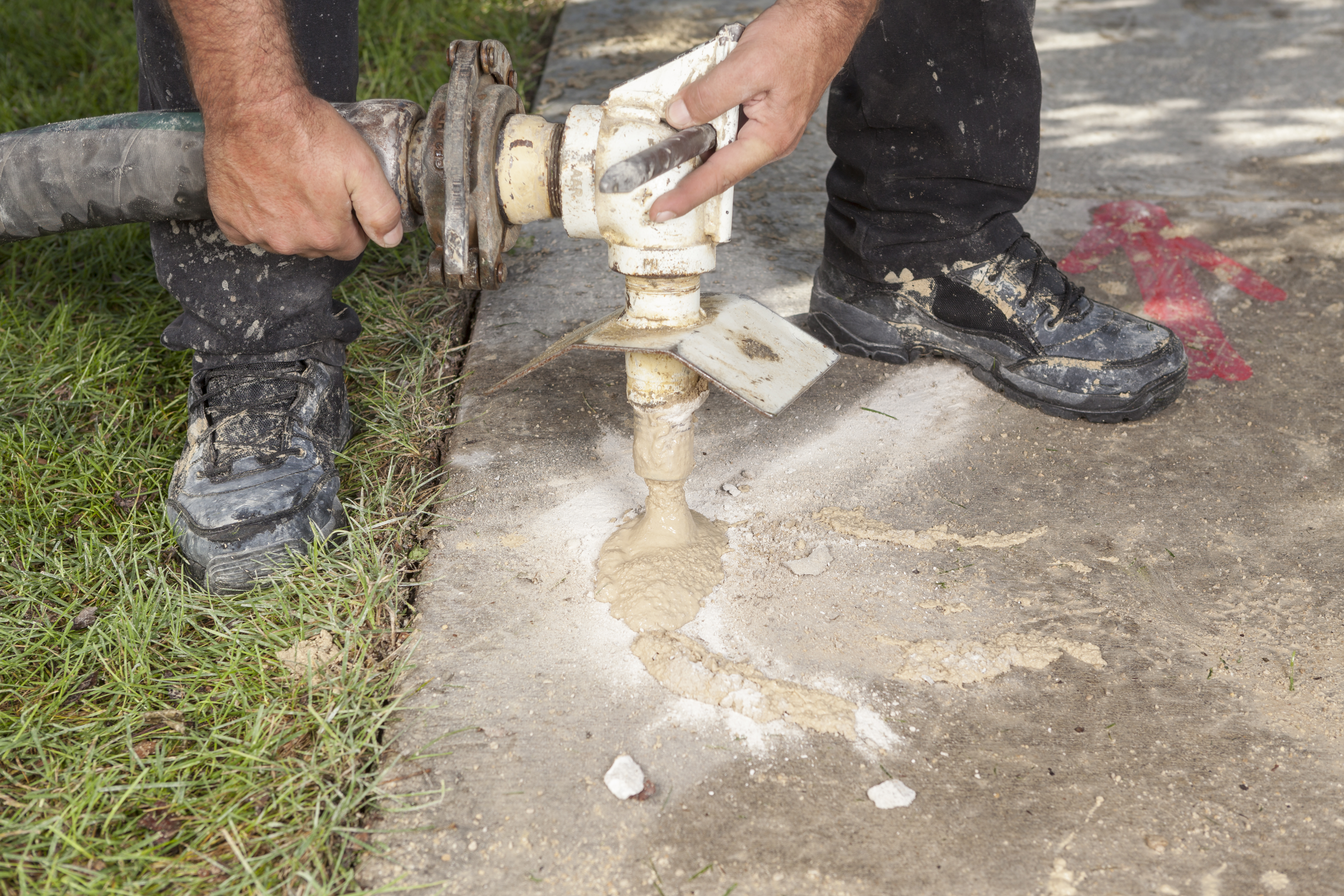
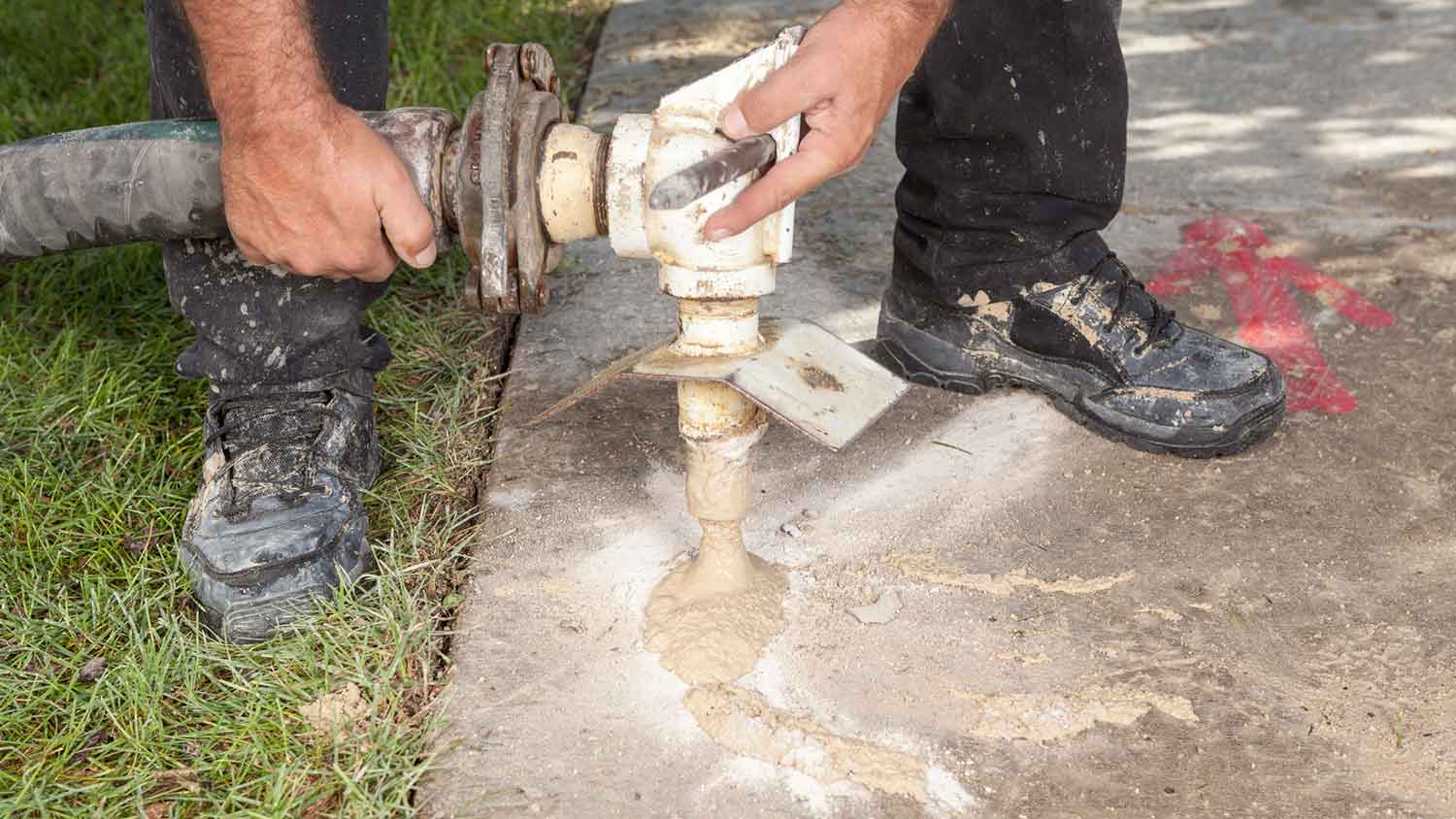
A slurry of cement, sand, and water is injected beneath the concrete to lift and stabilize it.
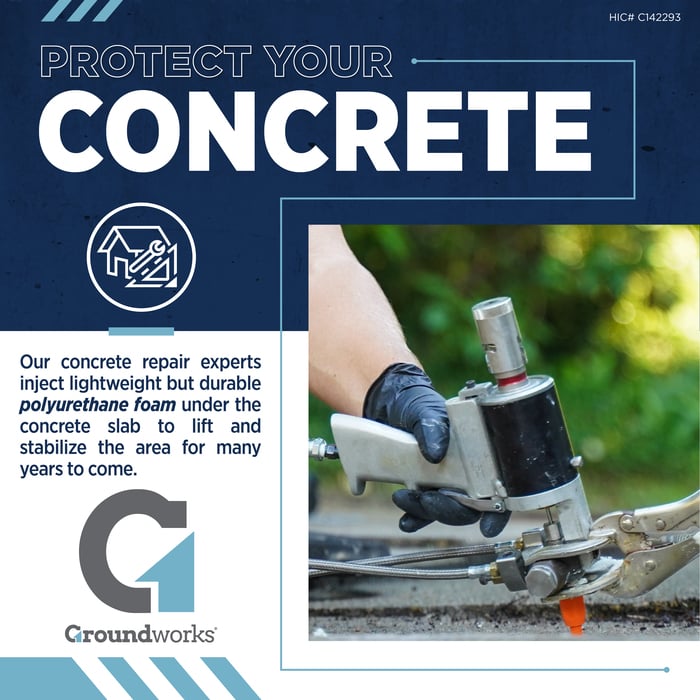
Yes, expanding foam (also known as polyurethane foam) can lift concrete. This approach, called polyjacking, involves injecting the foam rather than concrete slurry to fill voids and raise the concrete slab back into place. It’s often faster and requires smaller drill holes than traditional mudjacking, though it may come at a higher cost. Some contractors also prefer polyjacking over mudjacking for more damaged and delicate slabs.
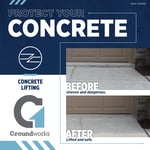
The method involves lifting settled concrete using pressurized cement slurry via drilled holes. This solves uneven surfaces and prevents further settling.
Trenching and boring are two distinct methods for installing underground utilities. Trenching involves digging a channel using equipment like an excavator, trencher, backhoe, or shovel. While it is a simpler process, it causes significant disruption to the surface, landscaping, and surrounding ecosystems.
Boring, also known as directional boring, is a less invasive alternative that uses a drill to create a tunnel for utility lines without disturbing the surface. This method is more precise and is ideal for installations that need to go underneath buildings, roads, or bodies of water. Although boring is less disruptive, it is generally more expensive than trenching.
The Macksville, KS homeowners’ guide to concrete mudjacking services
From average costs to expert advice, get all the answers you need to get your job done.
DIY mudjacking is an advanced task, but learning how to raise a concrete slab is great to know for many scenarios. Let's take a look at how to DIY mudjack.
Sunken concrete can be a structural issue, but a professional can easily repair it. Ask these concrete injection leveling and mudjacking questions before you hire.