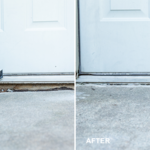
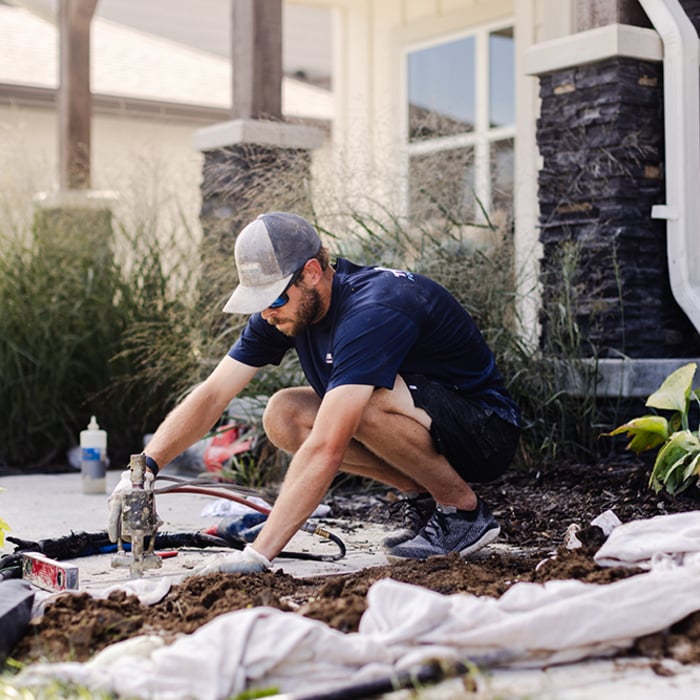
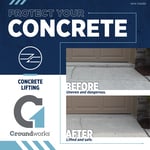
"Big shout out to Dil and Cruise for doing a splendid job . They were very courteous, patient enough to listen to my concerns and very friendly. The Job was to lift the concrete and seal the joint and cracks . Time will tell how well the seal will hold especially with colorodo weather but so far happy the result. Thank you Trasher."
"The team of Kenny, Daniel, Colt. Et Al installed 4 helical piers at the outside foundation corner and two supplemental crawlspace steel beams to stabilize the house. The work was done on time and with minimal disruption to our lives. I was quite impressed with the team's professionalism and friendliness."
San Dynasty Mgt. and Construction is a well established company in Garden City,
\nwhich serves the surrounding communities too. We offer the best in
\ncustomer service as well as professionalism. We pride ourselves on
\nintegrity so our work speaks for itself. Call us for your next job.
\n
Concrete Mudjacking questions, answered by experts
Generally speaking, push piers—or steel piers—are the best option for underpinning, as they reach down to solid bedrock to find support for your foundation rather than relying on soil, which could be subject to the same issues as the soil directly below your foundation. However, the best underpinning method for your home depends on your location, how far down the bedrock is, and the type of soil in your area. Helical piers are usually the best option for sandy soil or in areas where the bedrock is too deep to use steel piers.
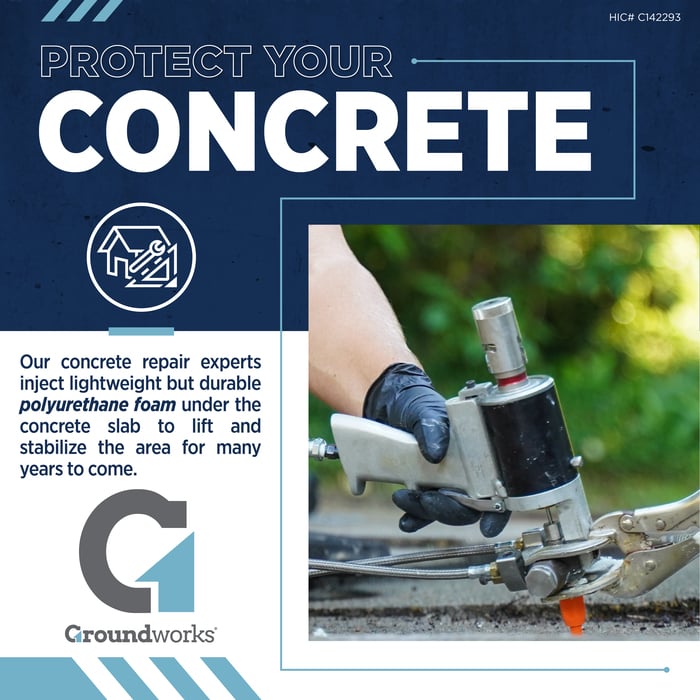
Mudjacking restores level surfaces, prevents further damage, and is more cost-effective than a full replacement.
A good slump height really depends on the project, but there is a use for nearly all slump levels. For example, low slumps are best in projects that require structure, such as curbs and roads. High slumps often require additional reinforcement, but they flow more freely into hard-to-reach spaces.
The average cost for mudjacking is around $1,200, though prices can range from $300 to $3,400. On a per-square-foot basis, you can expect to pay between $3 and $8, with an average of about $5 per square foot. The final cost depends on several factors, including the square footage of the concrete, the type of slab, its accessibility, whether it is load-bearing, and the type of material used to lift it. Generally, lifting a driveway, small patio, or sidewalk is less expensive than lifting a slab foundation or garage floor.
Most states and municipalities don’t require concrete mudjacking companies to carry a specific license, but they usually need to have a general contractor’s license, and they should be fully insured. The only exception is if the mudjacking company provides foundation repairs as well, or if it offers mudjacking for home foundations. In that case, they will typically need a foundation repair contractor’s license. You can check state requirements and then use Angi’s license lookup tool to confirm that a company is properly licensed to provide mudjacking services in your area.
The Montezuma, KS homeowners’ guide to concrete mudjacking services
From average costs to expert advice, get all the answers you need to get your job done.
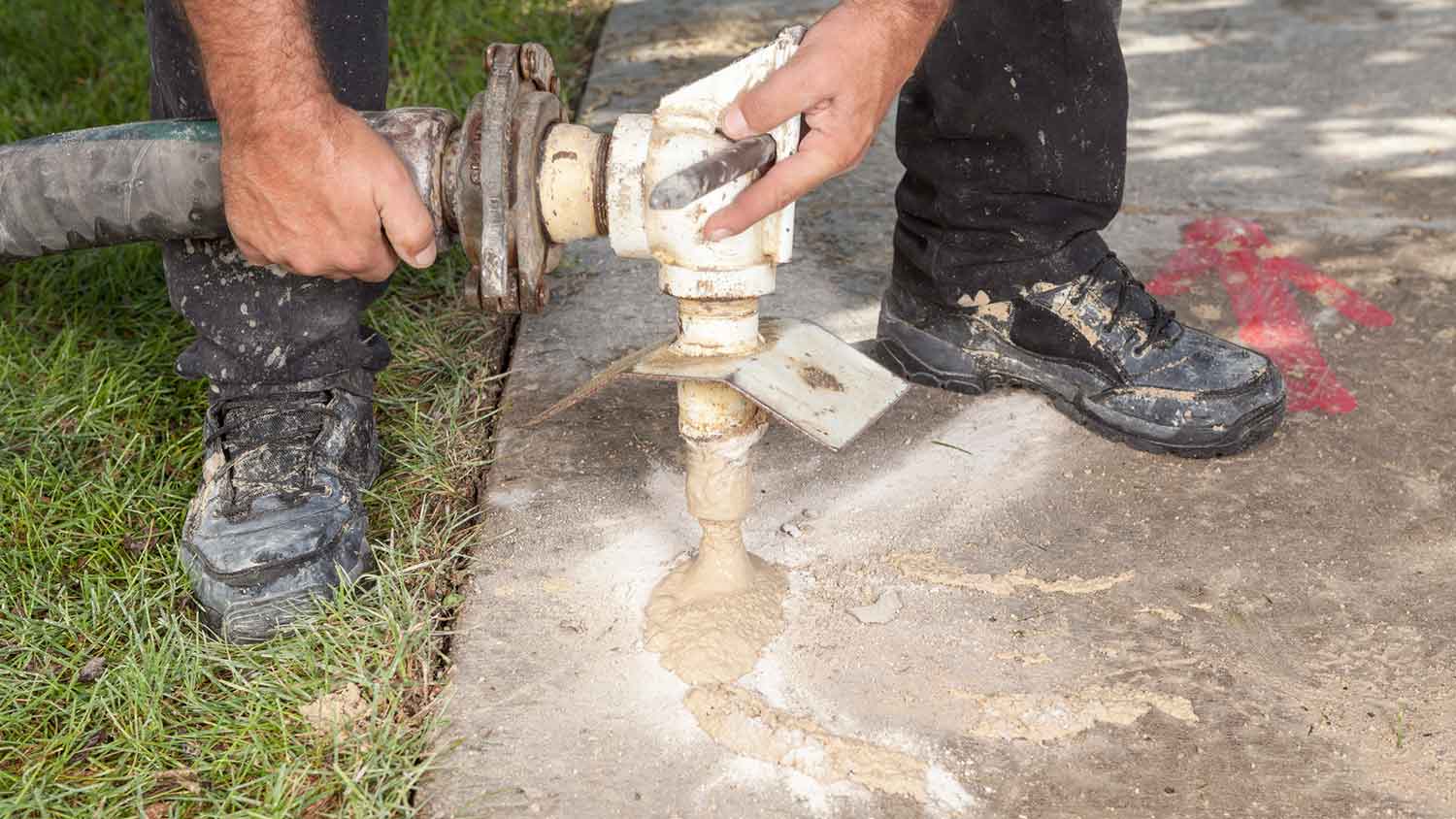
DIY mudjacking is an advanced task, but learning how to raise a concrete slab is great to know for many scenarios. Let's take a look at how to DIY mudjack.