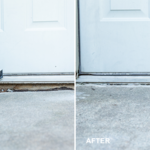




"Big shout out to Dil and Cruise for doing a splendid job . They were very courteous, patient enough to listen to my concerns and very friendly. The Job was to lift the concrete and seal the joint and cracks . Time will tell how well the seal will hold especially with colorodo weather but so far happy the result. Thank you Trasher."
"Peak Structural did driveway and sidewalk crack repair, leveled the driveway and walk with polyurethane foam, and did a concrete protection coat on all our outdoor driveway and sidewalk surfaces. We are very pleased with both Eric's and Zach's work. They were very professional, respectful, and on time. Eric took the time to answer any questions we had in a way that we understood. Zach also answered some of our questions, again, in a way that we understood. We highly recommend Peak Structural."
"Everyone did a great job and price was 7 thousand cheaper than Thrashers bid. Not sure how they stay in business but we are planning to build a new house when mine sells and definitely have you come out and work"
Concrete Mudjacking questions, answered by experts
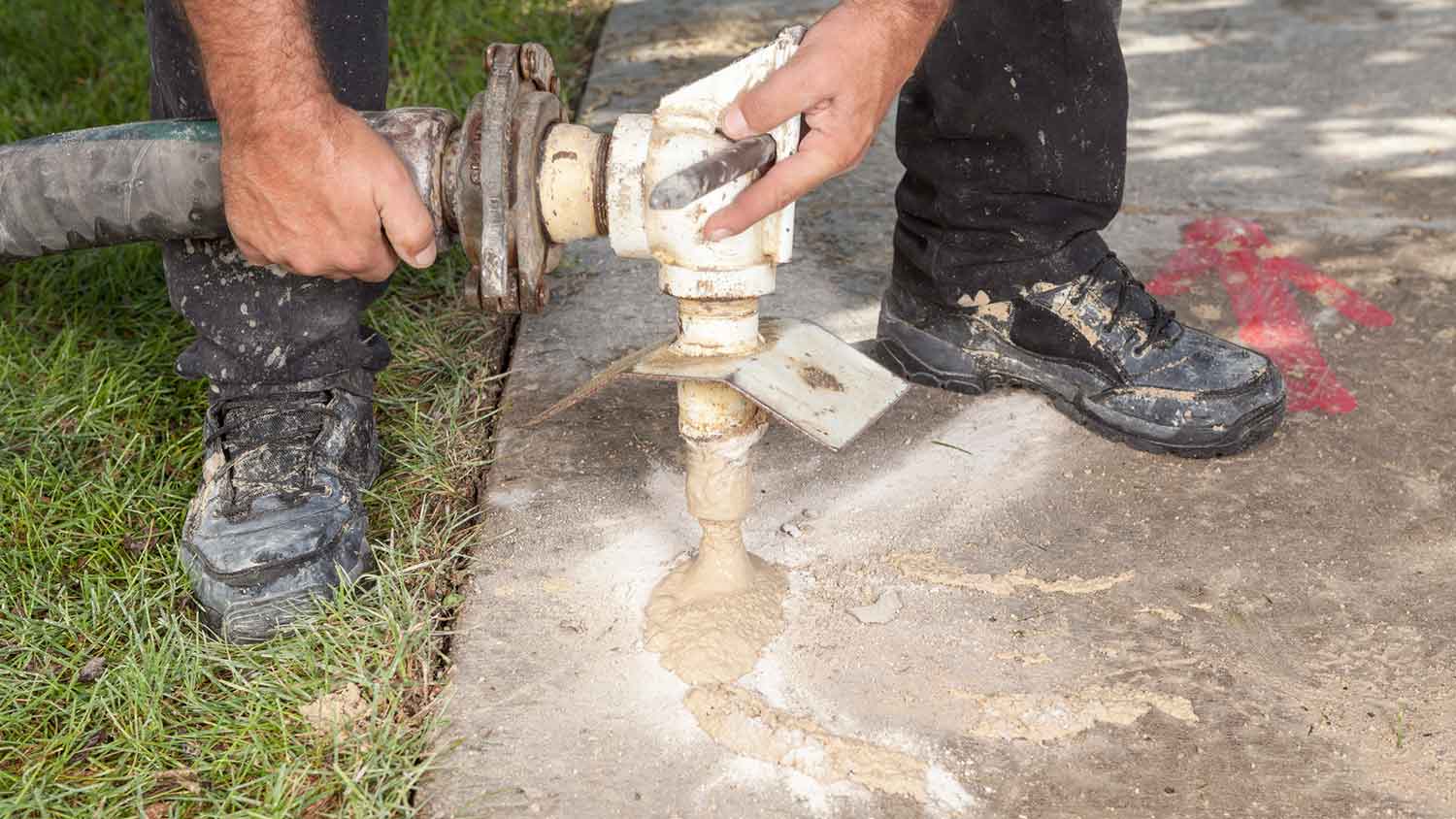
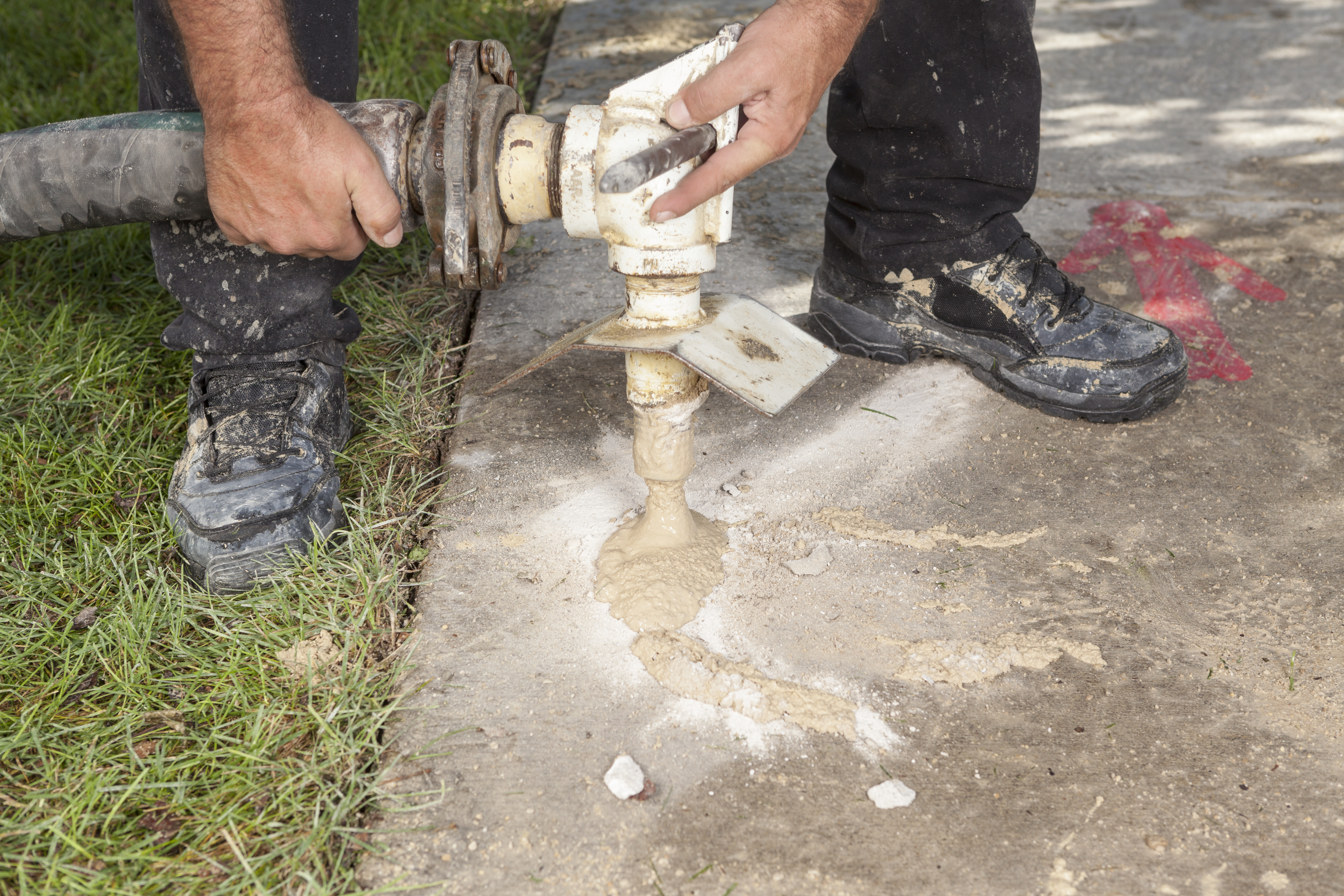
Mudjacking is suitable for sidewalks, driveways, patios, and nearly all exterior flat structures. However, it may not suit severely damaged or heavily cracked areas.
A good slump height really depends on the project, but there is a use for nearly all slump levels. For example, low slumps are best in projects that require structure, such as curbs and roads. High slumps often require additional reinforcement, but they flow more freely into hard-to-reach spaces.
The timeframe is generally a few hours, allowing for immediate use post-hydration, ensuring minimal disruption to surrounding activities.
Concrete leveling is not typically covered by insurance. In some cases where the shifting concrete is caused by a natural disaster or storm, you may be able to file an insurance claim if your policy specifically covers those circumstances. In most cases, though, you’ll pay out-of-pocket for concrete leveling.
Polyjacking and mudjacking can both be effective solutions for sinking concrete, but they have key differences. Polyjacking, which uses expanding polyurethane foam, is often considered a better option because the foam is significantly lighter than the cementitious material used for mudjacking. This reduced weight puts less pressure on the underlying soil and lowers the risk of future sinking. Polyjacking is suitable for any sinking concrete slab, while mudjacking is typically only recommended for non-structural concrete, such as sidewalks, patios, pool decks, and driveways. The primary drawback of polyjacking is its cost, which can be up to four times higher than mudjacking—as much as $25 per square foot compared to a maximum of about $6 per square foot for mudjacking.
The Hays, KS homeowners’ guide to concrete mudjacking services
From average costs to expert advice, get all the answers you need to get your job done.
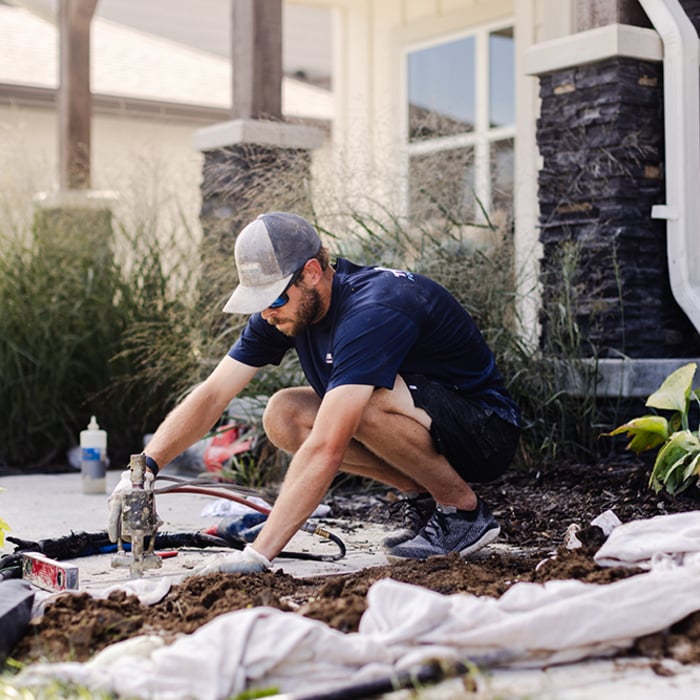
DIY mudjacking is an advanced task, but learning how to raise a concrete slab is great to know for many scenarios. Let's take a look at how to DIY mudjack.