Trejo Masonry is your best choice in Oklahoma for all your brick and stone needs! We take great pride in providing the highest quality finished projects and our customer service is second to none! Our customer's complete satisfaction is our top priority! Call us today for a free estimate!
\n
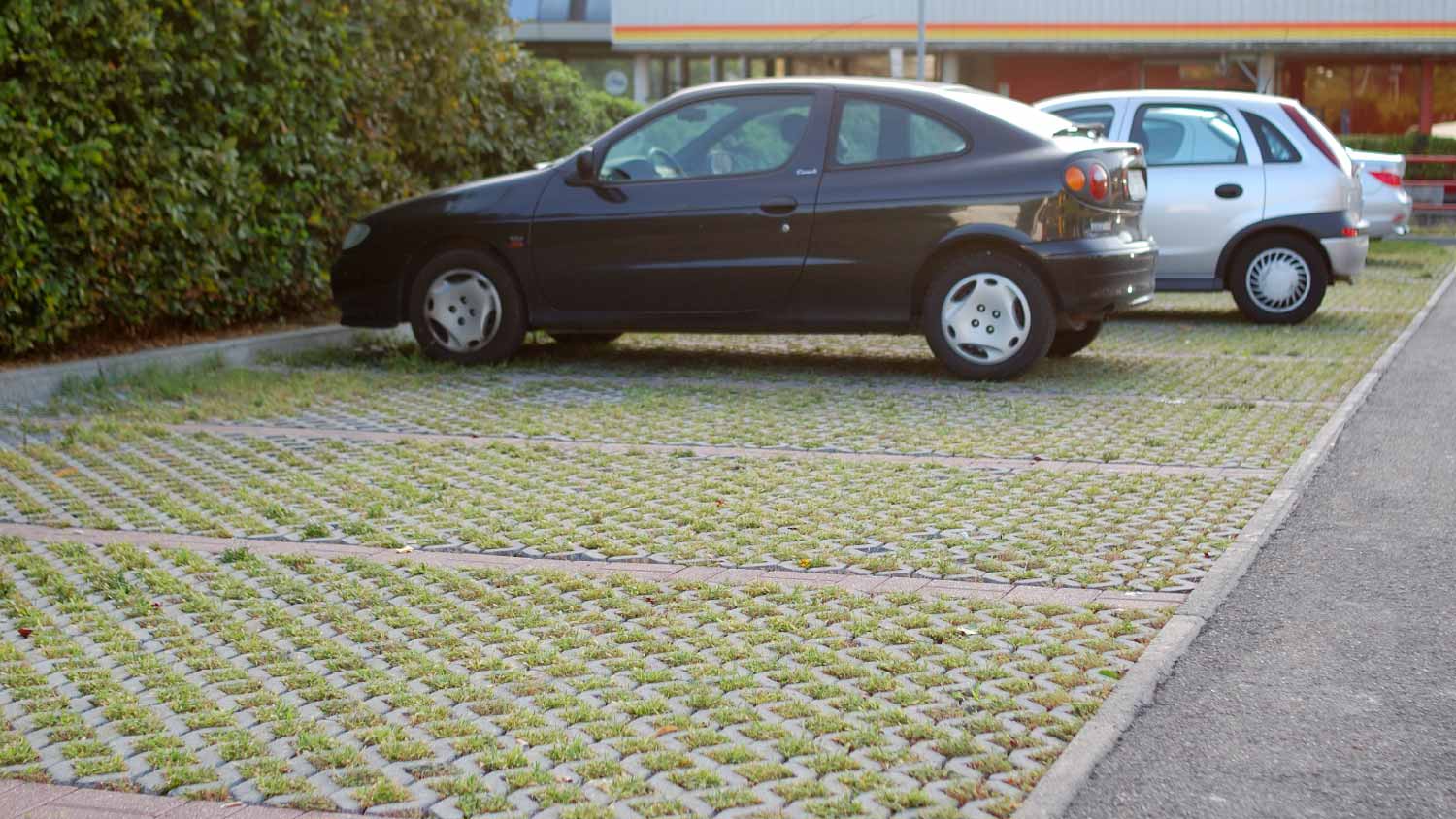
Yes, you can put thin pavers over a concrete driveway. However, it's always best to talk to a driveway installer before starting. You'll need to ensure that the concrete below is in good enough shape to hold the pavers and that the driveway will still meet local building codes.
Professionals restore the surface to a fresh, attractive finish by applying a new, even sealant layer.
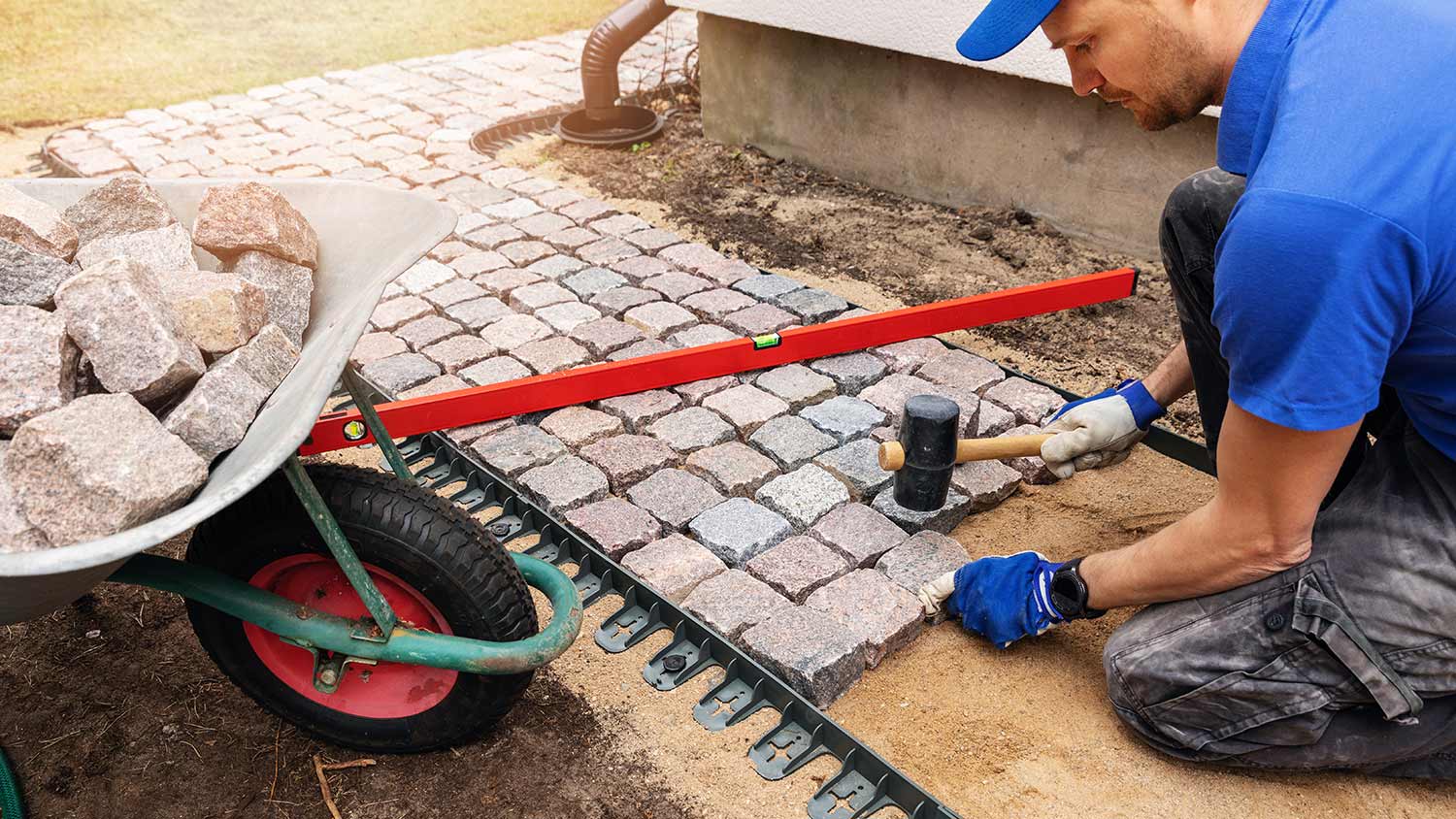
The recommended minimum amount for a paver base is 4 inches. From there, it depends on the kind of traffic the pavers will see and the current soil conditions. Two inches of paver base won’t create the amount of stability and support that pavers need to remain securely in place over time.
Quality pavers and correct installation handle temperature variations. Proper maintenance is crucial in severe climates to prevent issues like heaving.
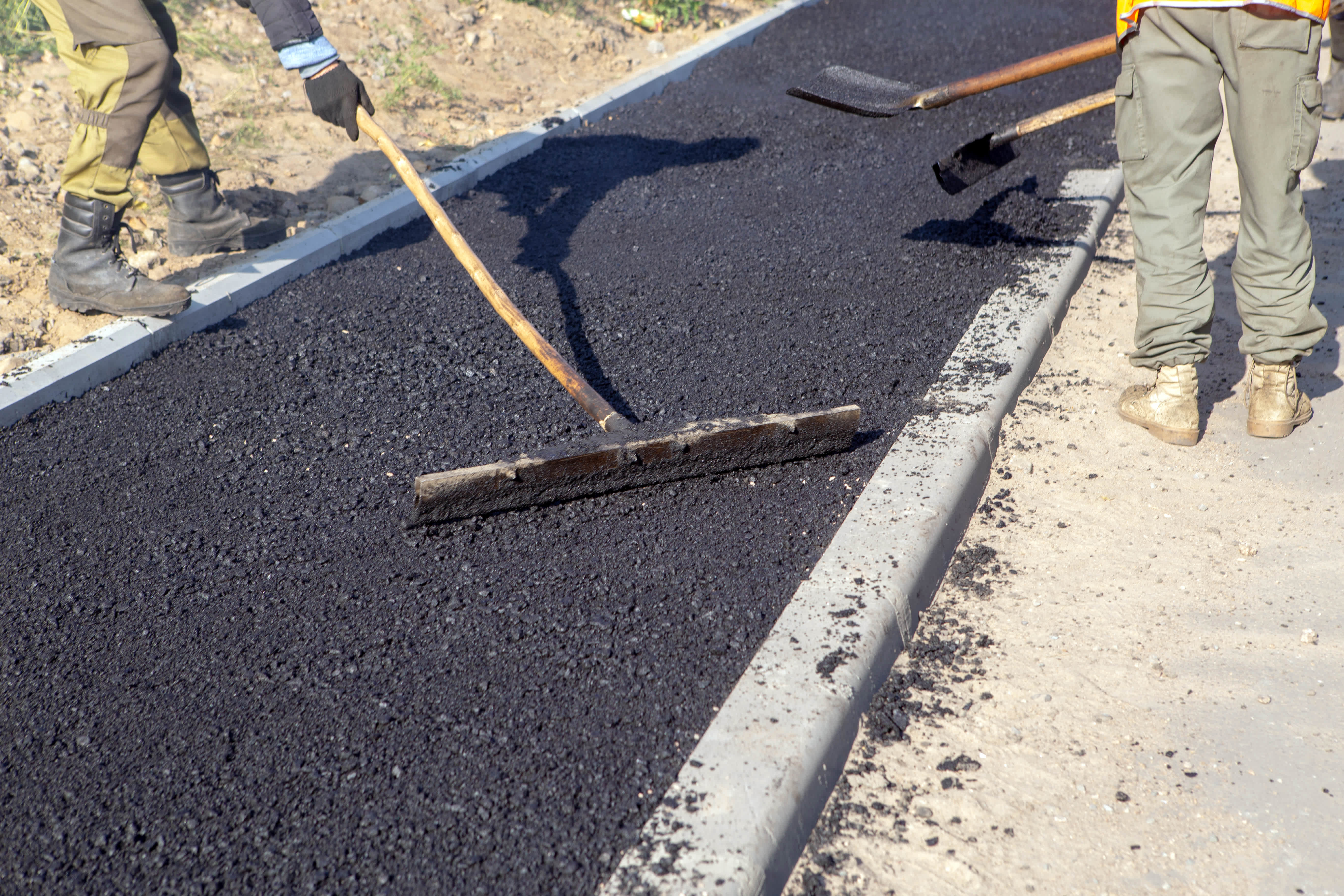
It takes recycled asphalt 48 hours to initially harden and up to 3 months to fully cure. It’s best to stay off of recycled asphalt for at least 48 hours, then you can walk or drive standard vehicles on it. Hold off on driving heavy trucks or equipment on it for at least 7 days. Allowing the surface to melt together and harden ensures that the surface stays durable and long-lasting.
The Coldwater, KS homeowners’ guide to paving services
From average costs to expert advice, get all the answers you need to get your job done.
The cost of a tar and chip driveway falls between gravel and asphalt. Is this unique process the happy medium you've been looking for? Let's take a look.
Get proactive with marketing for your paving contractor business. Use these paving marketing ideas (ranked by budget and experience level) to grow your business, get more leads, and earn more money.