"I had a seamless experience working with Josh & Shane! I’ve spoke with multiple companies, just shopping around, and this company was by far the most friendly and professional! What sold me was that these guys are local, extremely knowledgeable, and had the best price around! I would recommend this company to everyone ready to go solar!"
"The quality of work and customer service is the best in the business. They are very transparent from the start and use only the best equipment available and know their stuff. I had no idea I could do so much with Solar. Great investmentâ ¦ my elec bill has been reduced 90%. The most the power company will allow. Highly recommend."
We provide residential and commercial solar power options, and provide support services for industry partner companies. We offer no cost consultations and $0 down financing. Please contact our office for a consultation at (931)922-8258.
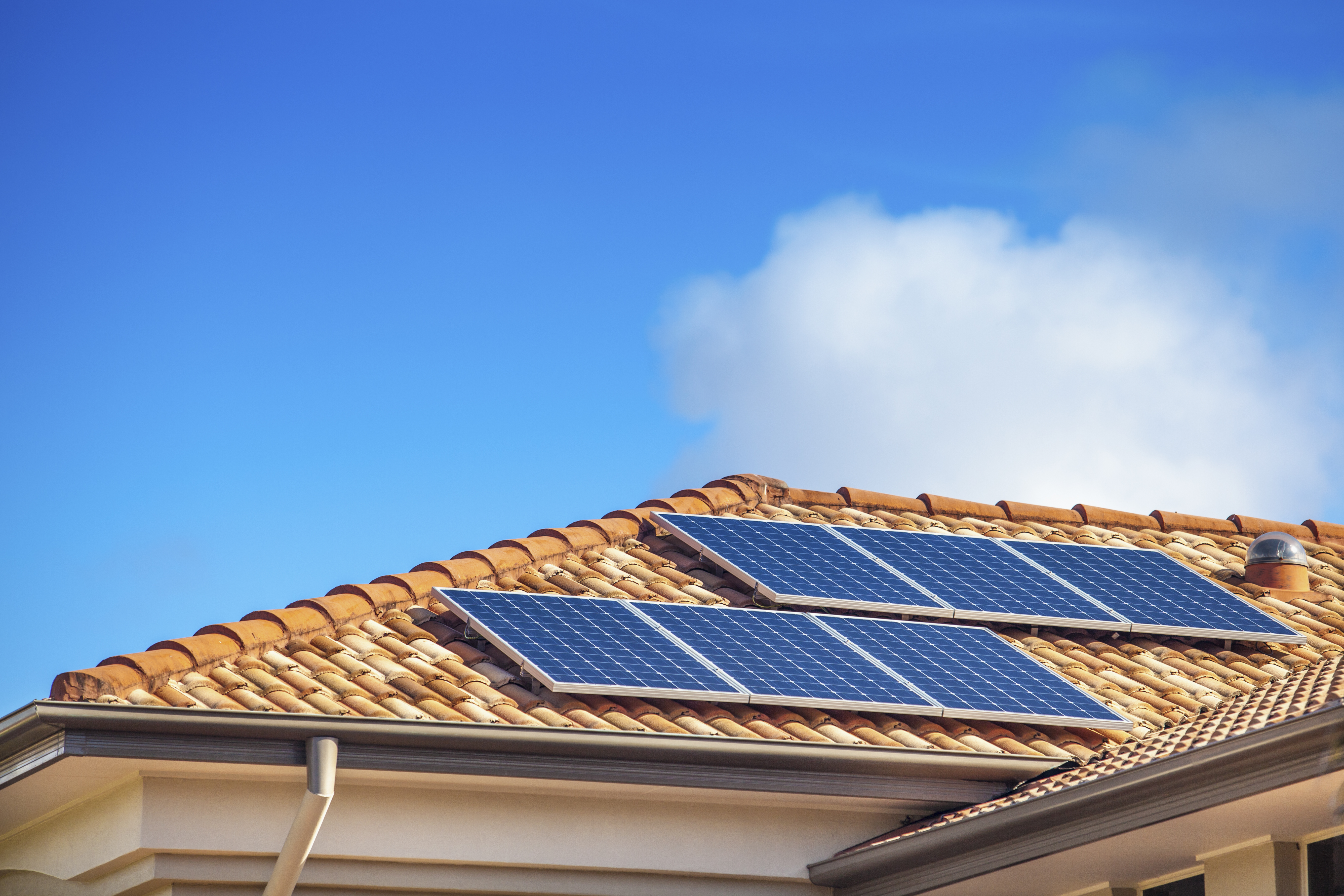
20+ years exp Solar Tech. LLC offers proven energy saving products that are associated with the sustainable energy world. We specialize in design and installation for Grid Tie and Off Grid energy systems.
\n
\nWe offer:
\n
\nSolar Photovoltaic Systems
\nWinco emergency back up generators
\nStructural insulated panels (SIPs)
\nWind Turbines
\nand a few other great products currently in research and development.
\n
\nSolar Tech. LLC consists of three individuals with different backgrounds of expertise. including a Master Electrician that posses the functional experience in electrical, solar design, consulting, product development, sales, marketing, installation and construction services. We believe energy should be affordable, reliable, and clean.
\n
\nCall us today for a free consultation.
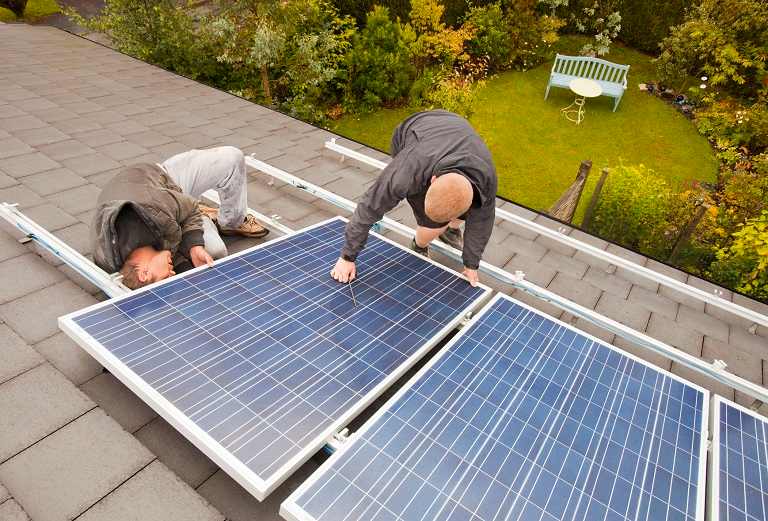
"When I first contacted solar installers, they asked for two items: address of my property a digital copy of my utility bill From my address they can survey the property using Google Maps. They use the satellite view to assess whether I have enough area on my roof to install an adequate number of solar panels, and whether the roof is unobstructed most of the day (by other buildings, trees, etc). Using my electric bill, they can assess my monthly payment and electricity usage. Once they size a system for me, they can then estimate my monthly savings. If this savings meets or exceeds the payment I will make for financing the solar panels, they consider the project to be economically worthwhile, and move forward with a proposal. Once a proposal was ready a sales rep from our installer visited my home, told us what we could expect and asked us to sign papers. Once signed, they were able to schedule installation, which was completed in under two months. The financing we signed was designed to avoid out-of-pocket costs. Payments were waived for the first three months, anticipating that the solar panels would not be ready before then. We were allowed to hold the full balance for up to 15 months, then the finance company expected a large payment approximately equal to the federal tax credit. Then monthly payments would continue to apply to both interest and principal, with the intent that monthly payments would not exceed the savings in electric power. It was structured as a 15-year loan, although we paid ours in full after 2 years, since the interest rate was fairly high (nearly 6%). On installation day a crew of 4 men arrived with a truck. They prepared my roof for mounting hardware, dug a trench for electrical conduit (needed for DC wiring from my detached garage), mounted the power inverter on the outside wall of my home, installed panels, wired up everything and tested. The whole installation needed about six hours to complete. Post installation, the company scheduled a city inspection. An electrical inspection and building inspection were both needed to verify the installation complied with building codes. The last step was for our electrical company to visit, test the system, install a new power meter, and begin our net metering service. In our state, we are credited for excess power that flows into the grid at the same rate as power we use from the grid. So we pay only for the “net” power we use (this is commonly known as “net metering”). Our monthly utility bill shows our inflow, outflow, how much we pay for our net usage (if any), or if we generate excess power for the month, how much we bank for later use. In the first full year, the system generated about 5,000 kWh of electricity, worth about $750 at typical electrical rates in our region. We paid $20k for the system, of which a third was refunded to us on our federal taxes (applying a credit for new solar generation capacity), so we financed around $13k. It would take 17 years to break even, assuming the system does not lose efficiency. However the solar panels add to the home’s value, so we would probably replace much of our investment if we choose to sell the home in 5–10 years. At our latitude, winter days are short (about 8 hours at the solstice) and the sun is at a lower angle in the sky, limiting daily generation to about 8 kWh when sunny. But in the summer, our days are nearly 16 hours, and we see close to 30 kWh generated on a sunny day. Fortunately peak generation also corresponds to our peak usage (due to air conditioning) so we pay little electricity in summer months. Here is a monthly breakdown I estimated for 2018 based on actual meter readings: In May we had an excess of power (before the days became hot enough for A/C). September was our peak usage. Our electricity costs for the year were under $600. In summary: Was the project a financial slam-dunk? Not really. In the long term it will pay for itself, but the savings are not enormous. Would we do it again? Absolutely, it feels good to have clean, renewable power at home, that we can generate ourselves, and be at least partly free from the electrical grid."
Packages starting at just $19.99 per month. \n\nGet Dish Network offers the satellite TV & Internet bundles in the business. DISH offers HD for life, installation, Blockbuster movie rentals, HD and DVR satellite receiver upgrades and free movie channels. \n\nTake your TV to go with the DISH Sling Adapter!\n\nThe same TV you watch at home is now available on the go. All your channels, everything on your DVR - now at your fingertips. Enjoy your local news, live sports, and favorite TV shows on your computer or mobile device.\n \n$19.99 Dish smart pack is back free\n Blockbuster Home movies DVR & HD TV.
"It has gone very well. Mark, our sales representative was very helpful, and professional. He explained every step in the process. The installers for the solar panels, insulation, and ductwork were all professional. They answered all of my questions The local electric company installed the special meter today. The next step is to go online with the panels. We are anxious to see how much we will save!"
"The Tech came out and due to the parts shortage he was not able to replace the front panel so Choice warranty gave me a voucher to replace it. I'm very pleased with their services. All I paid was the service fee."
"They have been very helpful. The refrigerator we had, had a control panel that they could not replace, so they gave us options and we were able to get a new refrigerator. They have saved us a lot of money over the year. They probably saved us $5000 on an AC issue. They are very prompt at responding and have been very professional."
Cerosa Solar LLC offers proven energy saving products that are associated with the sustainable energy world. We specialize in design and installation for Grid Tie and Off Grid energy systems.
\n
\nCerosa Solar LLC is a family owned business with over 5 years experience. We posses the functional experience in electrical, solar design, consulting, product development, sales, marketing, installation and construction services. We believe energy should be affordable, reliable, and clean.
\n
\nCall us today for a free consultation.
\n
In most cases, yes, solar panels are well worth the investment. Going solar with your home’s energy is expensive, but, in most states, the panels will pay for themselves by reducing your electric bills. Solar panels don’t produce greenhouse gasses or other pollutants, meaning you can feel good about using this renewable energy source to power your home. Plus, installing solar panels can boost your home value, helping your profit off your next home sale.
The best solar panels to withstand hail are those rated UL 61730. These solar panels are certified to withstand hailstones up to 3 inches in diameter and travel at speeds up to 88 mph. IP68 solar panels are the next most resilient solar panel. Solar panels without these ratings can handle hail up to 1 inch in diameter that travels up to 50 miles per hour. If you live in an area with frequent or severe hailstorms, purchasing UL 61730 solar panels is often worth the investment.
Removing solar panels can be straightforward, but it’s not necessarily a simple process. Your contractor needs to prevent damage—not only to your panels but also to your roof and electrical system. Many systems are wired into the main electrical grid, and you’ll need to hire a licensed electrician to disconnect it.
For most U.S. homeowners, switching to solar energy is an excellent investment. A properly sized solar array can significantly reduce your electric bill, saving money on utilities every month. Most homeowners enjoy savings that cover the cost of their solar systems within 12 years and then turn a profit. Additionally, federal and state tax incentives are available that help make solar an even better and more profitable investment.
The average homeowner needs around 22 solar panels, but the exact number depends on your monthly energy consumption. Your solar professional should size your array to offset your consumption, meaning you’ll need fewer panels if you use below-average amounts of electricity, or more than 22 if you use above-average amounts of electricity. The number of panels also depends on the output of each panel. The average is around 400 watts, but you might need more panels if you install less capable equipment. Since there are so many variables, you should have a professional size your system.
The Abilene, KS homeowners’ guide to solar panel services
From average costs to expert advice, get all the answers you need to get your job done.
There are a few factors to consider when it comes to solar panel repair costs. This guide breaks down the prices of solar panel removal, repair, and replacement.
Find out how much it costs to remove solar panels, including average prices, key cost factors, and tips to save money on your solar panel removal project.
Residential solar panel dimensions can vary slightly from brand to brand, but this guide can help you understand the basics and choose the best option.
Solar panels are low-maintenance but occasionally require some elbow grease. This guide will help you learn how often solar panel maintenance is required.