


Top-rated energy efficiency auditors.

Best energy efficiency auditors near Abilene, KS

Enter your zip and get matched with up to 5 pros

Need a pro for your energy efficiency auditing project in Abilene, KS?

Select your specific project to find the pro for you.

Top-Rated Energy efficiency auditors in Abilene - Updated Nov 2026

Avatar for Radon Solutions
Radon Solutions
5.0(
4
)
Home Energy Audit

Serving Abilene, KS and surrounding areas

In business since 2009

Free estimates

Credit card accepted

"Chad was extremely knowledgeable, personable, and thorough. He was also very professional and made the effort to explain the process in detail as he was auditing my home. I would recommend him highly."
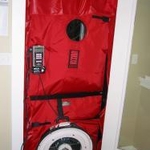
Blower Door Test Setup
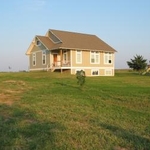
Picture of House
Recommended by100%of homeowners

Energy Efficiency Auditing FAQs, answered by experts

The three levels of home energy audits include:

  • Level 1: Review of your energy bills and home for signs of energy inefficiency and areas for improvement. The average cost range is $0.08 to $0.12 per square foot.

  • Level 2: A level 2 ASHRAE energy audit costs $0.12 and $0.35 per square foot. In-depth analysis of your energy usage and provides a report of cost-saving changes.

  • Level 3: Comprehensive analysis and detailed recommendations for ways to improve your home’s energy efficiency. A level 3 audit costs about $0.36 to $0.50 per square foot.

Audits typically take 2-4 hours, depending on the property size and energy systems.

R-value measures an insulation material's thermal resistance, indicating its ability to resist heat transfer. A higher R-value signifies better insulation performance because the material is more effective at slowing heat flow. The R-value depends on the type, thickness, and density of the insulation material, such as fiberglass, foam, or cellulose. Each inch of insulation typically provides an R-value between 3 and 8. There is no single universal R-value; the optimal choice depends on your climate zone. Colder climates require a much higher R-value than warmer ones to maintain energy efficiency, keep the home warm in winter and cool in summer, and manage costs.

Smart glass doesn’t use a lot of electricity, and you can expect a standard window to add between $1 and $2 per year to your electric bills. Smart glass is proof that energy-efficient windows work. Although your smart windows may consume a little energy to operate, they can save enough energy to offset the costs. If you’re concerned about the minimal bump to your electricity consumption, you can opt for smart tint, which doesn’t require electricity to work.

Typically, triple-pane windows made with krypton gas filling are the most energy efficient. A window’s frame, glass, design, and installation all affect its energy efficiency. These windows, in particular, are designed highly effectively in terms of their ability to insulate.

The Abilene, KS homeowners’ guide to energy efficiency auditing services

From average costs to expert advice, get all the answers you need to get your job done.