


Top-rated drywall pros.

Get matched with top drywall pros in Whiteland, IN

Enter your zip and get matched with up to 5 pros

Need a pro for your drywall service project in Whiteland, IN?

Select your specific project to find the pro for you.

TRUSTED BY WHITELAND, IN HOMEOWNERS

  • Average homeowner rating star icon4.5
    Average homeowner rating
  • Verified reviews icon701
    Verified drywall services reviews

Find Drywall pros in Whiteland

Avatar for The Patch Boys of West and South Indianapolis
The Patch Boys of West and South Indianapolis
5.0(
5
)
Drywall - InstallDrywall - Install - For BusinessDrywall - Repair+1 more

Serving Whiteland, IN and surrounding areas

Approved

In business since 2022

Free estimates

Warranties offered

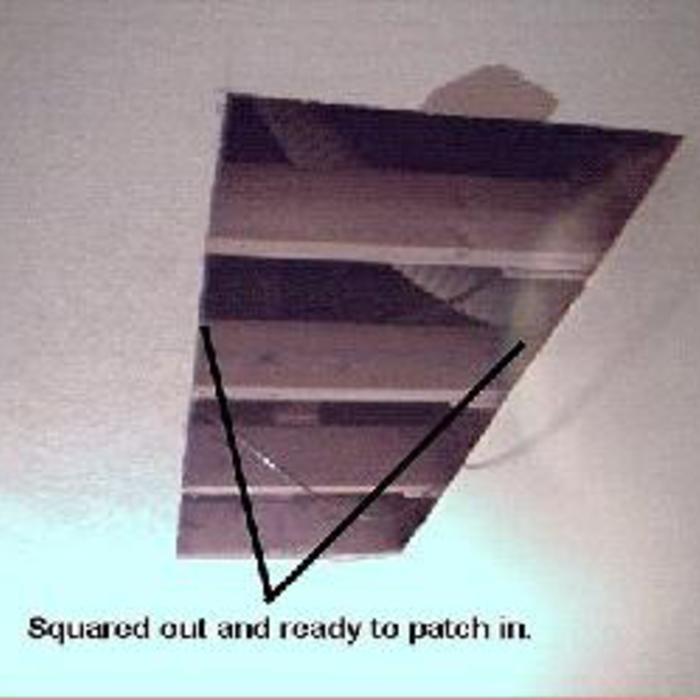
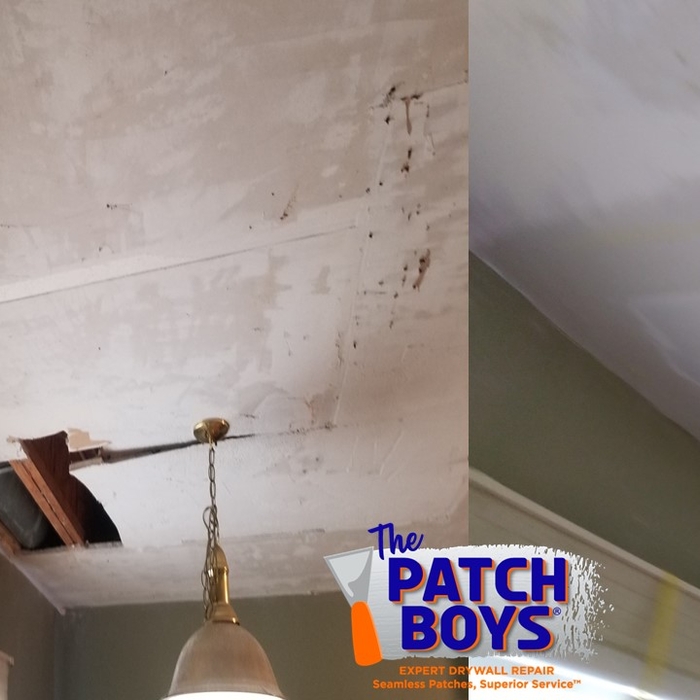
First, The Patch Boys will prepare the worksite to keep your home clean and safe. Then, our skilled technicians will leverage their expertise, choosing the proper repair methods, tools, and materials to seamlessly patch your drywall, plaster, or ceiling damage. We work quickly but effectively, and are able to complete most repairs in one day!\n\nDrywall, sheetrock, plaster, popcorn, and other textures...The Patch Boys handle it all. When you need wall and ceiling repairs, count on our drywall professionals to show up on time, in uniform, and ready to help. We will quickly take care of any holes or unsightly damage and leave your home looking flawless once again.

Additional Photos
Additional Photos
Additional Photos
Additional Photos
Additional Photos

+6

Response time10 hrs
1 neighbors recently requested a quote
Recommended by100%of homeowners
...
Showing 1-10 of 434
Drywall questions, answered by experts

You should leave a gap between drywall sheets because they naturally expand and contract along with the building framing as temperature and humidity change. Most pro drywall installers leave a gap of about ⅛ inch between drywall sheets, allowing the sheets to expand, contract, and shift without cracking or becoming damaged. If you don’t leave enough gaps between slabs, the edges will press against each other when they expand, and the pressure can cause visible cracks.

You can usually tell if you have plaster or drywall by touch (plaster is harder, colder, and smoother than drywall) or by tapping on it (drywall sounds hollow, plaster does not). If you still cannot tell, peek under an outlet cover and check the cut edges. The rough edges show the composition of the wall. You will see either drywall (two paper sheets sandwiching gypsum material) or only plaster material (no paper sheets).

The easiest way to remove texture from walls is the soak-and-scrape method. You’ll need to spray a section of the wall with water and let the water soak in and soften the texture. Then, you need to scrape the texture off using a drywall taping knife. This method works best with unpainted walls since paint prevents water from saturating the textured joint compound.

Yes, you can put paneling over textured walls. Of course, this will come down to personal preference and the type of paneling you want to install. From board-and-batten to shiplap and wainscoting, there are plenty of options to choose from.

Yes, a fan can help drywall mud dry faster by improving air circulation and reducing humidity in the room. Drywall mud dries through evaporation, so increasing airflow speeds up this process. However, you should position the fan to blow across the room rather than directly on the wet mud. This helps prevent drying too quickly, which can cause cracking. You should also use a dehumidifier if high humidity is an issue.

The Whiteland, IN homeowners’ guide to drywall services

From average costs to expert advice, get all the answers you need to get your job done.