


Top-rated asphalt driveway pros.

Get matched with top asphalt driveway pros in Versailles, IN

Enter your zip and get matched with up to 5 pros

Need a pro for your asphalt driveway service project in Versailles, IN?

Select your specific project to find the pro for you.

Find Asphalt driveway pros in Versailles

Avatar for L&C BLACKTOP LLC
L&C BLACKTOP LLC
5.0(
2
)

Serving Versailles, IN and surrounding areas

Approved

In business since 2025

Free estimates

Credit card accepted

"L&C did a fantastic job. Communicated well throughout, the workers were friendly and everything was done when they said it would be. I will hire them again for the next driveway project I have!"
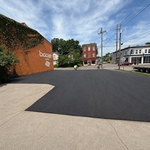
Parking lot extension
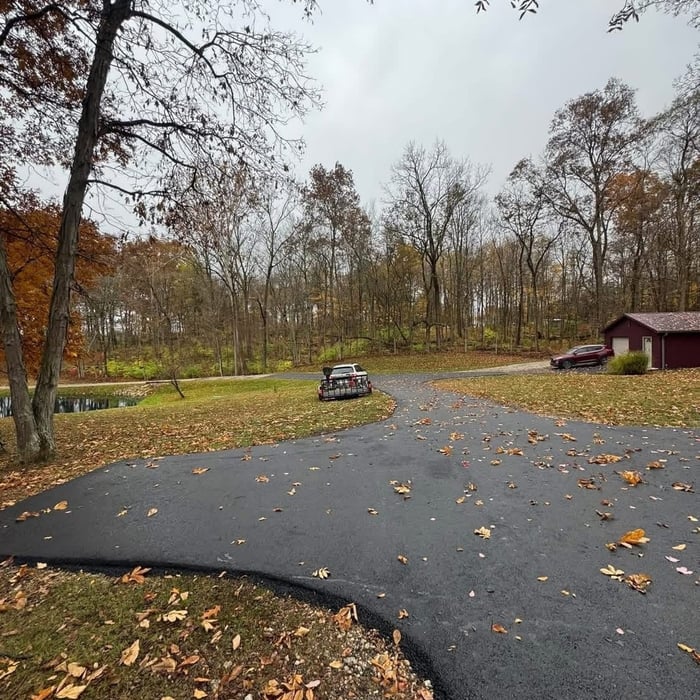
Driveway installation

+32

3 neighbors recently requested a quote
Mobile Welding
New to Angi

Serving Versailles, IN and surrounding areas

Approved

About Me\nHi, I’m a certified mobile welder and fabricator with years of hands-on experience working with steel, aluminum, and stainless. I specialize in custom fabrication, automotive welding, heavy equipment repair, and structural work. Whether you need a small repair or a fully custom build, I bring quality workmanship, attention to detail, and a commitment to getting the job done right the first time.\n\nI’m reliable, mobile, and can come to you with all the equipment needed to complete your project safely and efficiently. I take pride in delivering strong, clean welds and professional results every time.\n\nIf you’re looking for someone who’s dependable, skilled, and easy to work with, I’d be happy to help with your next project.

...
Showing 1-10 of 113
Asphalt Driveways questions, answered by experts

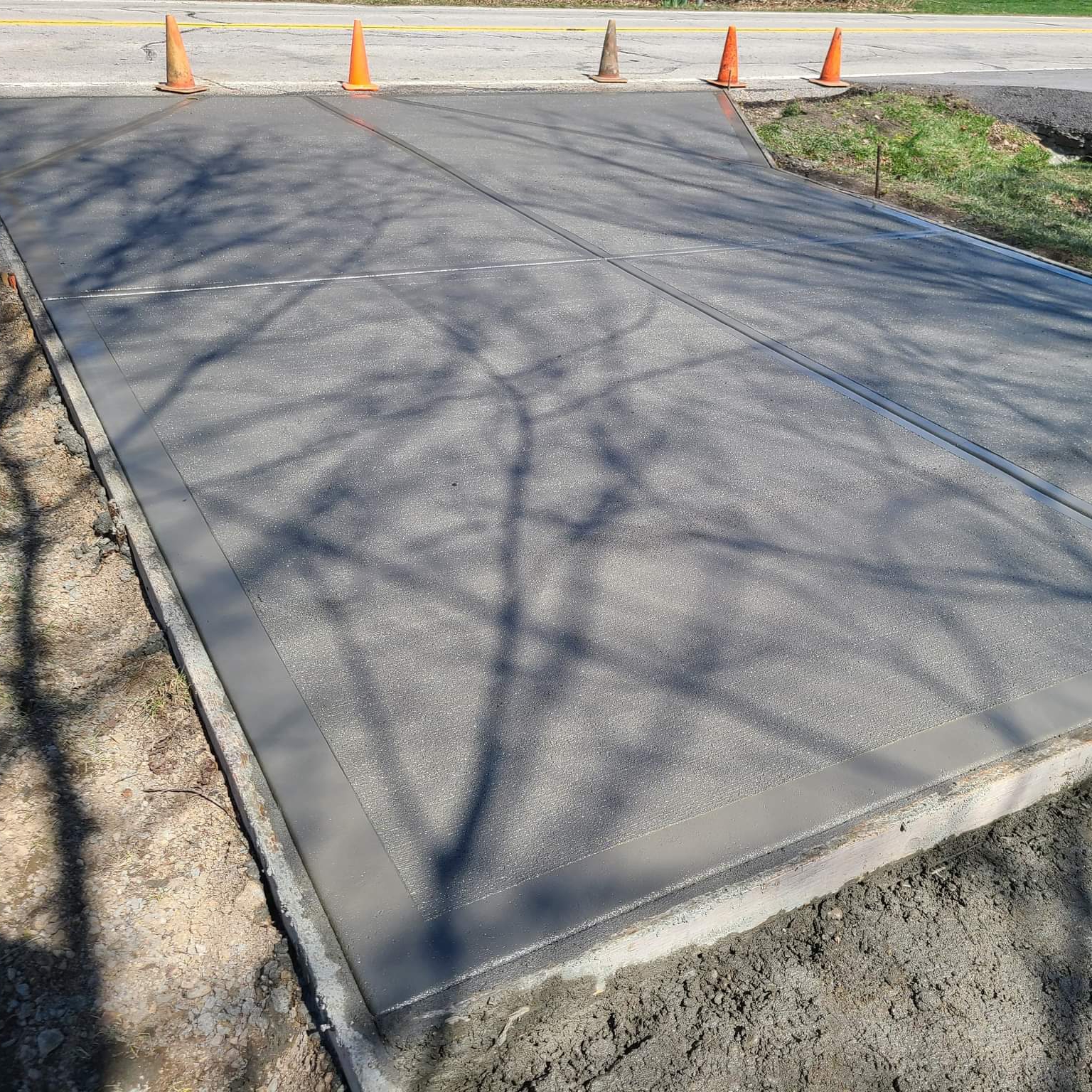
The dimensions of a driveway apron vary based on local building codes, the width of your driveway, and the distance between the driveway and the road. On average, aprons range from 12 to 24 feet wide and 8 to 18 feet long. Typically, the end of the apron connected to the driveway matches its width—such as 10 to 12 feet for a single-car driveway—while the end at the street flares out to allow cars to turn in and out more easily. In some areas, you may not be responsible for the portion of the apron that extends beyond the sidewalk, but this depends on local laws.

In the United States, roads are usually categorized as one of three types: public roads, other drivable roads, and non-drivable roads. These categories dictate how a road can be used; a non-drivable road might be classified that way because it is heavily damaged and unsafe for cars.

New asphalt goes through two stages: drying and curing. Drying typically takes 24 to 72 hours, after which the surface is solid enough for light use like walking or careful driving. While you may be able to park on it after 72 hours, the surface is still soft and should be treated gently. Full curing is a much longer process, taking anywhere from 30 days to a full year for the asphalt to reach maximum strength. During this extended curing period, the asphalt is susceptible to damage from heavy vehicles, sharp objects, and high temperatures. Factors like weather, the specific asphalt mix, and application thickness all influence drying and curing times. For the most accurate timeline and to ensure the longevity of your new asphalt, it is always best to consult with your installation contractor for their specific recommendations.

A driveway approach is the part of a driveway where the public road meets the private driveway. This section contains several key elements, including the driveway apron, the curb cut, and the end slope. Depending on the slope of the driveway, this area may also contain the trench drain.

New asphalt typically needs 24 to 72 hours to dry before it can handle light foot traffic and careful driving. Although it may appear solid after a few days, the full curing process, where the asphalt reaches its peak strength, takes much longer—generally from 30 days to a year.

During this extended curing time, the surface remains relatively soft and can be damaged by heavy vehicles, sharp objects, or high temperatures. To protect your investment, it's best to avoid parking heavy machinery on the asphalt until it has fully cured.

The exact time required for drying and curing depends on several factors, including the weather, the specific asphalt mix, and its thickness. For the most accurate advice tailored to your situation, consult with your asphalt contractor.

The Versailles, IN homeowners’ guide to asphalt driveway services

From average costs to expert advice, get all the answers you need to get your job done.