



Top-rated landscapers.

Get matched with top landscapers in Saint John, IN

Enter your zip and get matched with up to 5 pros

Need a pro for your landscaping project in Saint John, IN?

Select your specific project to find the pro for you.

TRUSTED BY SAINT JOHN, IN HOMEOWNERS

  • Average homeowner rating star icon4.1
    Average homeowner rating
  • Verified reviews icon284
    Verified landscaping services reviews

Find Landscapers in Saint John

Avatar for Star Landscaping
Star Landscaping
4.6(
13
)
Landscape - Install Landscaping for Yard or GardenLandscape - Install Landscaping for Yard or Garden - For BusinessSod - Install+1 more

Serving Saint John, IN and surrounding areas

Approved

In business since 2000

Free estimates

Credit card accepted

"After several calls to various companies for landscaping, I spoke with Tim and am so pleased I chose his company. The work he and his crew did was beyond what I expected and exactly what I wanted to be done. I am so pleased with how it turned out. The quality, craftsmanship, attention to detail is superb. Tim is a very good at what he does and an all around great guy. His crew goes above and beyond. I will be having additional work done to my home and Star Landscaping is who I will be calling. Thank you so much Tim!!"
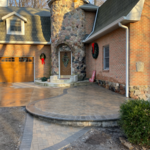
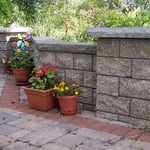
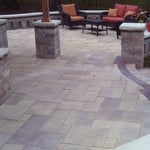
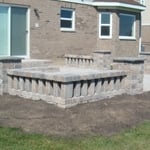
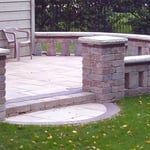
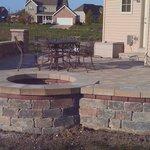
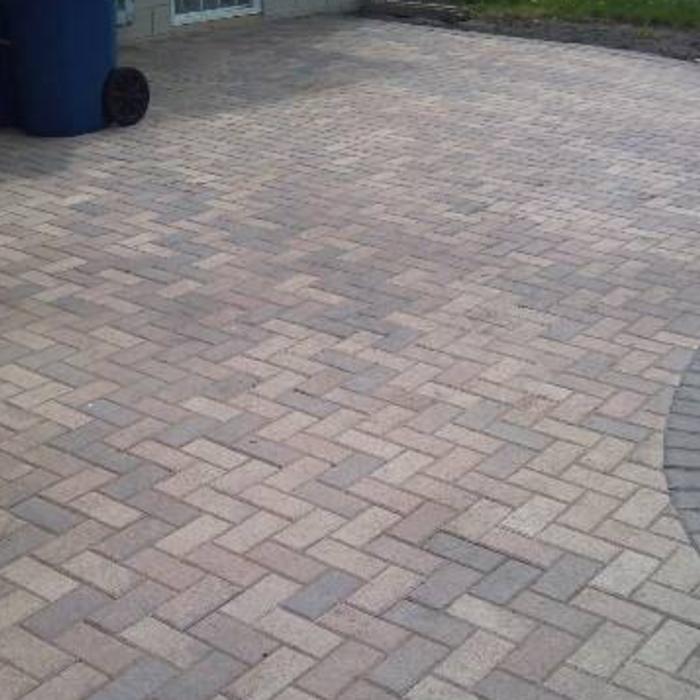
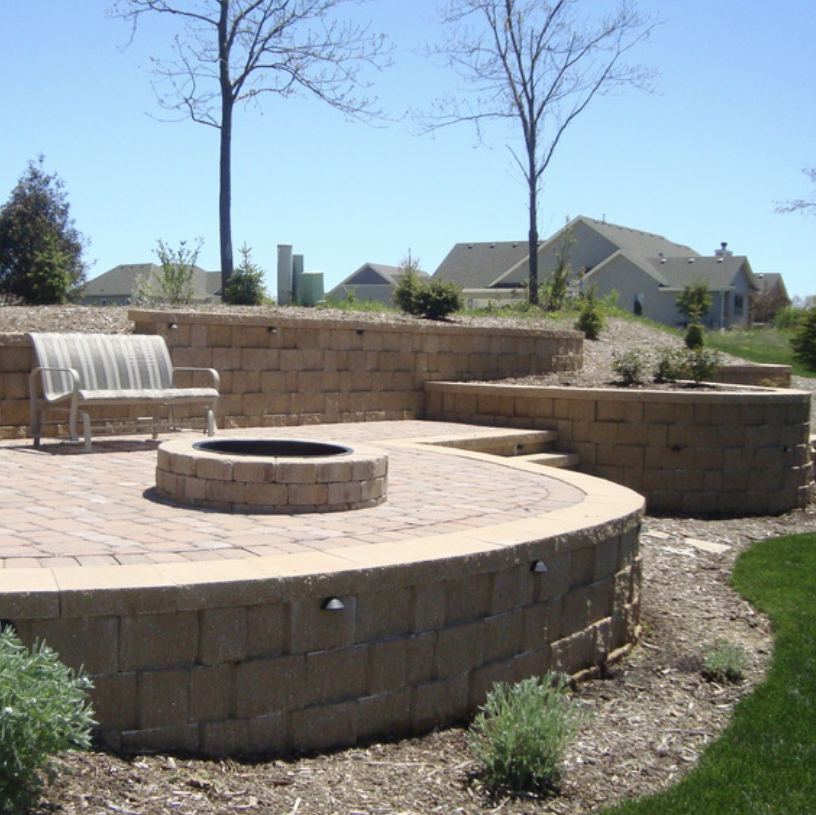
Unilock Seatwall
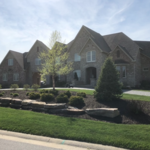
Our Work
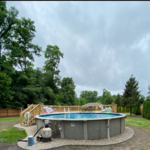
Our Work
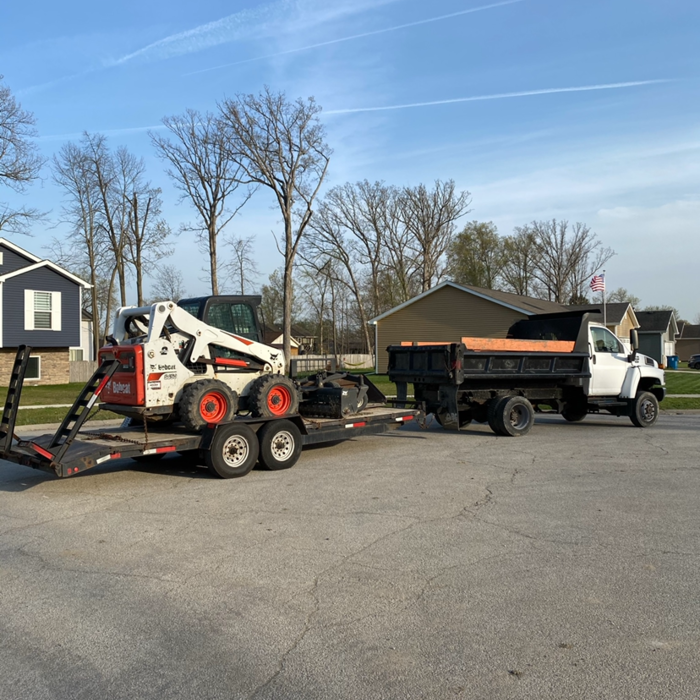
Our Work
Our Work

+3

Response time12 hrs
Recommended by100%of homeowners
...
Showing 1-10 of 315
Landscaping questions, answered by experts

It depends. Smaller, younger trees take longer to mature, but they're more resilient, their roots don't get as damaged during transplanting, and they recover faster. Plus, they're much more affordable to plant, and it's possible to DIY the planting. 

On the other hand, mature trees produce fruit faster and provide more shade and privacy immediately. Ideally, a small or medium tree is the better choice if you can wait a few years for it to mature. But if you need immediate maturity, a larger tree is the only option.

Lakefront landscaping offers benefits such as enhancing aesthetic appeal, increasing property value, supporting ecological balance, and providing recreational opportunities while preserving the shoreline's natural beauty.
A scattering of leaves won’t pose a problem through the winter, but a thicker layer of leaves may not decompose before the first frost and can instead weigh down your grass and harbor mold or fungi. A thick layer of leaves also cuts off light and air that grass needs to grow. That’s why we suggest removing thick leaf layers within several days if possible. If your lawn goes dormant over the winter and snow has already caught up with you, then remove the leaves in early spring before your grass-growing season starts so your lawn can thrive.

In addition to aloe vera and lilac, other effective humidity-reducing plants include peace lilies, Boston ferns, English ivy, spider plants, and lucky bamboo. These plants thrive in humid environments and can naturally lower moisture levels. Place them in areas prone to dampness for the best results.

The best place to plant a rose bush is where it will be happiest. Growing roses is difficult if the location varies much from what the plants like. Choose a location that gets at least six hours of direct sunlight during the growing season but not much more than that in hot-climate locations. If such a spot doesn't exist in your yard, consider planting your rose in a movable container to take advantage of portability.

The Saint John, IN homeowners’ guide to landscaping services

From average costs to expert advice, get all the answers you need to get your job done.