




Top-rated landscapers.

Get matched with top landscapers in Dyer, IN

Enter your zip and get matched with up to 5 pros

Need a pro for your landscaping project in Dyer, IN?

Select your specific project to find the pro for you.

TRUSTED BY DYER, IN HOMEOWNERS

  • Average homeowner rating star icon4
    Average homeowner rating
  • Verified reviews icon250
    Verified landscaping services reviews

Find Landscapers in Dyer

Avatar for Star Landscaping
Star Landscaping
4.6(
13
)
Landscape - Install Landscaping for Yard or GardenLandscape - Install Landscaping for Yard or Garden - For BusinessSod - Install+1 more

Serving Dyer, IN and surrounding areas

Approved

In business since 2000

Free estimates

Credit card accepted

"After several calls to various companies for landscaping, I spoke with Tim and am so pleased I chose his company. The work he and his crew did was beyond what I expected and exactly what I wanted to be done. I am so pleased with how it turned out. The quality, craftsmanship, attention to detail is superb. Tim is a very good at what he does and an all around great guy. His crew goes above and beyond. I will be having additional work done to my home and Star Landscaping is who I will be calling. Thank you so much Tim!!"
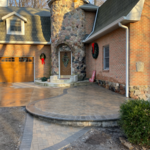
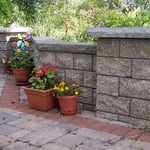
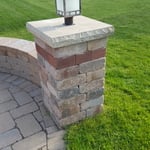
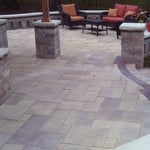
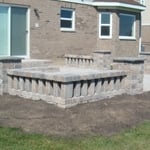
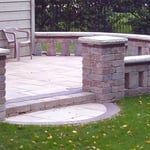
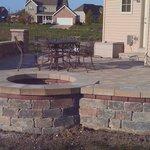
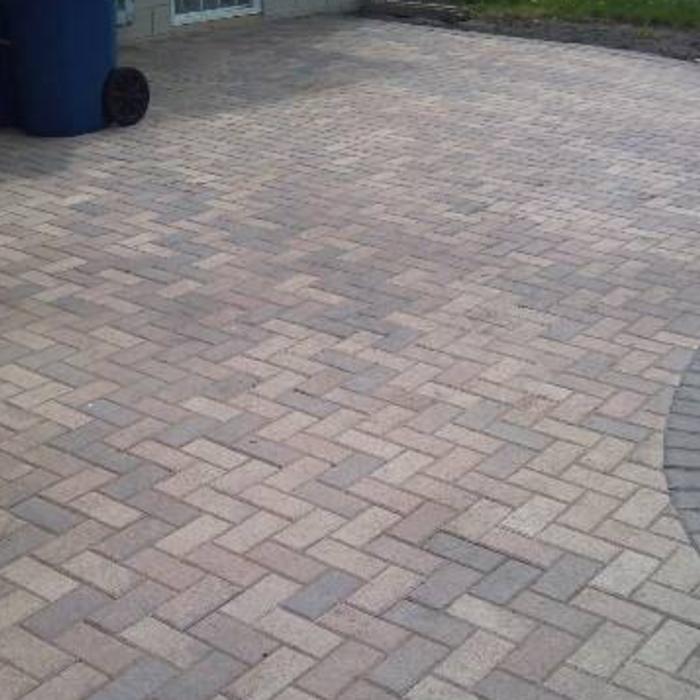
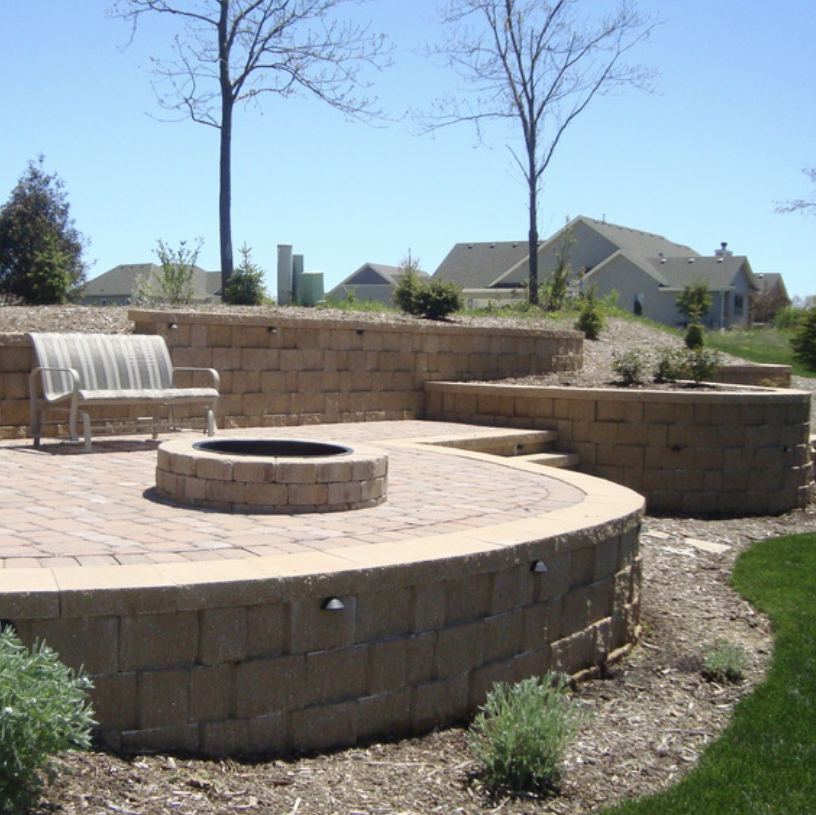
Unilock Seatwall
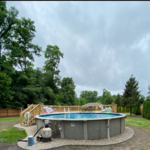
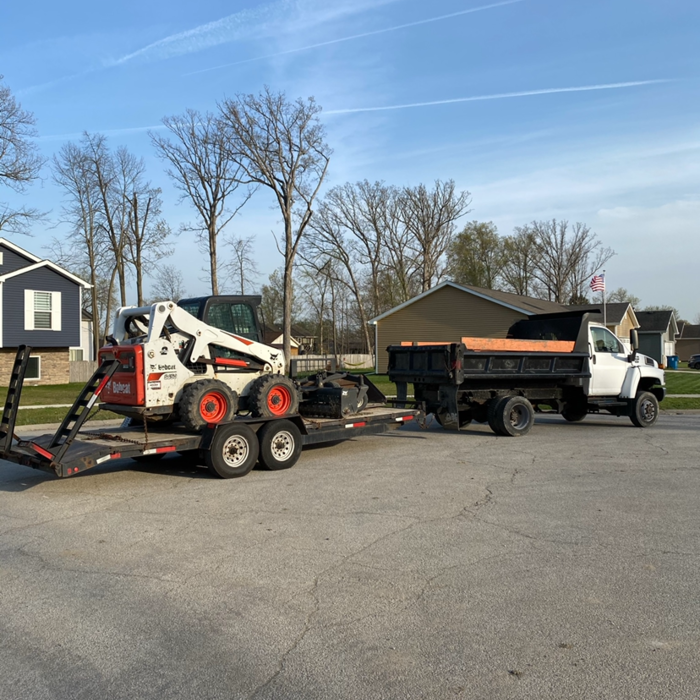
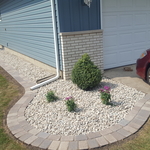
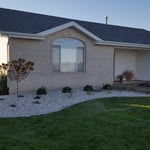
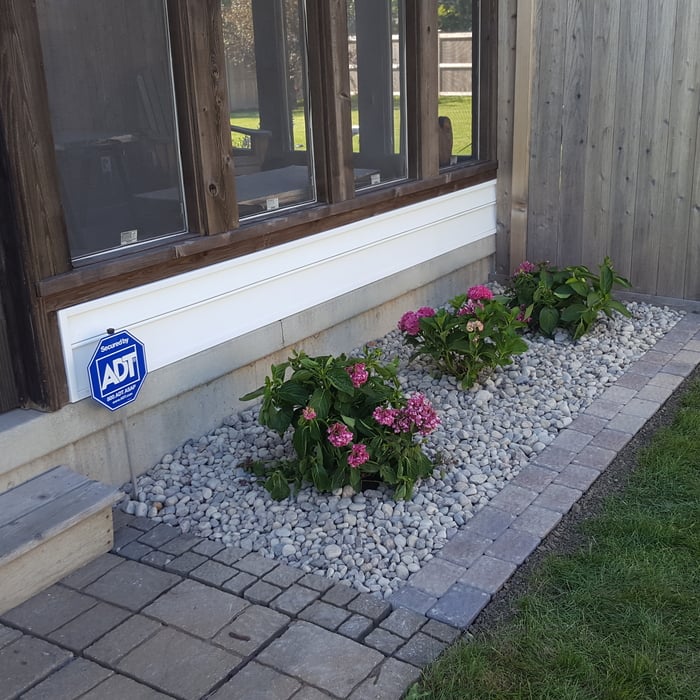
Our Work
Our Work
Our Work
Our Work

+3

Response time12 hrs
Recommended by100%of homeowners
...
Showing 1-10 of 346
Landscaping questions, answered by experts

Yes, you can put topsoil over sand to encourage grass growth. The topsoil will help to improve water retention and promote grass roots’ development, making it a recommended step of the seeding process. Adding a layer of topsoil will provide additional nutrients to the sandy soil, helping the grass grow and remain healthy through many seasons.

Yes, you can landscape in the rain, but you should take some precautions to keep yourself and your tools safe. Avoid using electric landscaping tools during rainfall, and don’t mow, thatch, aerate, or rake in the rain, as your tools can more easily tear out roots in the loose soil. Be careful when working on wet grass, and take your time to avoid slipping. Avoid putting in new plants before a particularly bad storm, as heavy rain and strong winds can damage or uproot plants that aren’t yet established.

If you want to take your tree-planting hobby beyond your outdoor space, here are a few great ways to do it:

  • Encourage your neighbors to participate in the Arbor Day Foundation’s Tree City USA program, which has a four-step framework that helps communities grow and maintain their own tree cover.

  • Support businesses that plant trees. 

  • Lobby your local government to plant more trees around your community.

  • Donate to a tree-planting charity.

The best time to plant is between spring and autumn. Springtime weather is typically mild and is when nurseries start to bloom. When the summer weather arrives and it’s hot out, it’s best to avoid planting bare-root plants, but you can still plant many in-container varieties. The first sign of fall is another great opportunity to plant biennials if you live in southern states, or a lovely vegetable garden up north.

Late August, September, and mid-October are the ideal months for planting a young tree. However, the best time to plant a tree ultimately depends on when the weather transitions to fall-like conditions and eventually winter frost. As long as the hottest days of summer have passed and the ground hasn’t frozen yet, you can still successfully plant trees.

The Dyer, IN homeowners’ guide to landscaping services

From average costs to expert advice, get all the answers you need to get your job done.