




Top-rated excavation pros.

Get matched with top excavation pros in Richmond, IN

Enter your zip and get matched with up to 5 pros

Need a pro for your excavation project in Richmond, IN?

Select your specific project to find the pro for you.

Find Excavation pros in Richmond

Avatar for REDLINE EXCAVATION AND LANDSCAPE, LLC
REDLINE EXCAVATION AND LANDSCAPE, LLC
5.0(
3
)
Excavation - Major Grading or ReslopingExcavation - Major Grading or Resloping - For Business

Serving Richmond, IN and surrounding areas

Approved

Free estimates

Credit card accepted

Offers commercial services

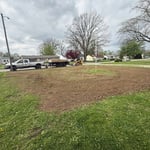
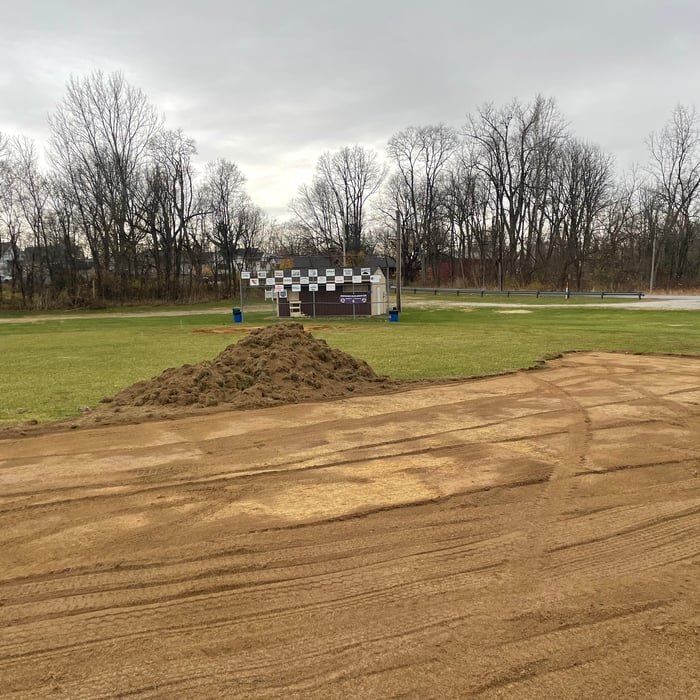
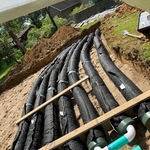
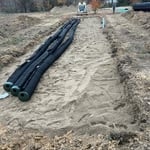
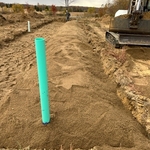
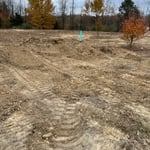
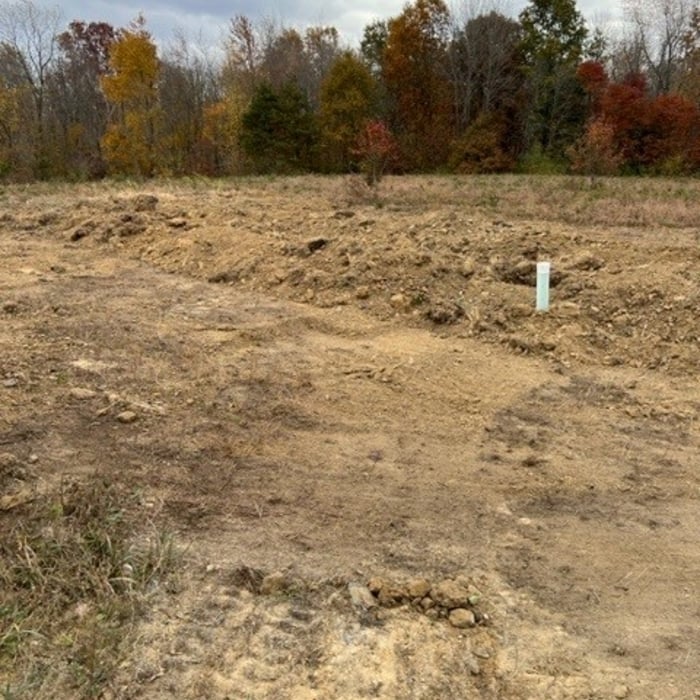
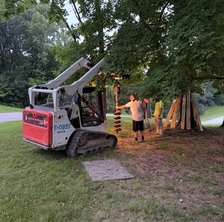
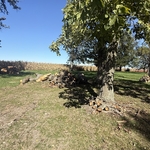
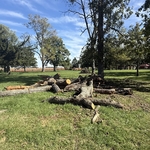
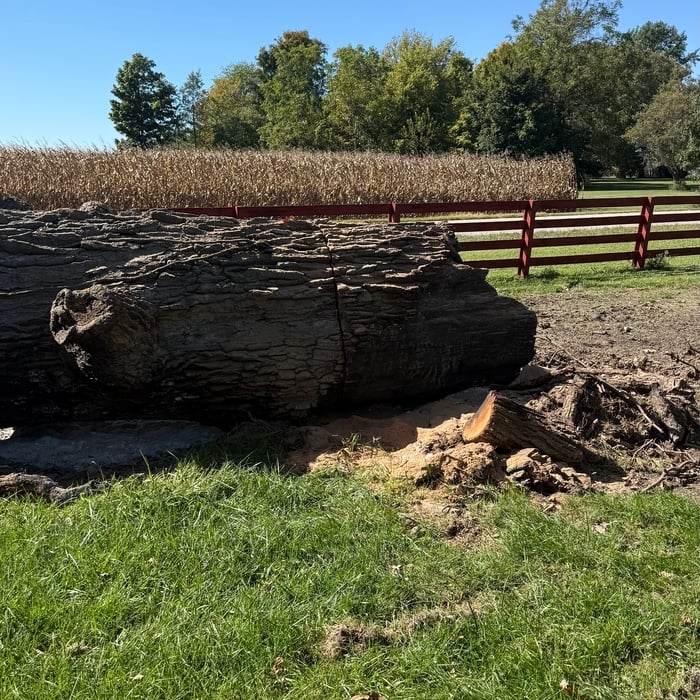
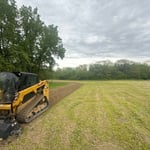
"I needed land cleared for a large garden. Redline came in, tilled up my existing ground, added sand to help with drainage and to build up the low spots. The owner was quick to respond, showed up the next day, and knocked out the project in one day! I could not be happier with the work completed, or how seamless the process was from start to finish. I would recommend Redline to everyone!"
Project Photos
Project Photos
Project Photos
4 neighbors recently requested a quote
Avatar for Kenneth Dietz
Kenneth Dietz
New to Angi
Landscape - Minor Grading or Resloping

Serving Richmond, IN and surrounding areas

Approved

Credit card accepted

Offers commercial services

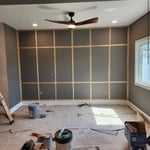
Hi, my name is Riley. I’m 22 years old and working hard to build my path as a general contractor. I take pride in honest work, reliability, and doing every job the right way. My goal is to provide quality craftsmanship people can trust while continuing to grow my business through hard work and dedication.

Accent Wall
Accent Wall
Accent Wall
3 neighbors recently requested a quote

...
Showing 1-10 of 83
Excavating questions, answered by experts

The rules for trenching and excavation include setting up and following safety protocols, learning how to use tools and machines properly, and ensuring there is a safe exit for all workers. Keep heavy equipment and materials away from the edge of the hole or trench. Call the 811 dig line before starting any excavation or trenching project to ensure you don’t hit any electrical or gas lines.
The best method for digging a trench depends on the scope of the project. For a short, shallow trench (less than 2 feet deep) in light, soft soil, digging by hand may be sufficient. However, digging by hand is labor-intensive, so consider the effort required. A machine trencher is the better option for longer trenches (over 100 feet), deeper ones, or when dealing with difficult soil conditions, such as rocky or hard ground, or obstructions like tree roots. A machine can save significant time and energy in these situations.

There are several methods to hollow out a tree stump, and the best one depends on your tools, experience, and priorities. Common methods include using a chisel and hammer, a chainsaw, or burning.

  • Chisel and Hammer: This is often considered the easiest approach for those with limited tools or experience, though it is the most time-consuming.

  • Chainsaw: Using a chainsaw is the fastest method, but it comes with significant safety risks, especially for inexperienced users.

  • Burning: This can be an effective method, but it is not recommended unless you can first drill holes into the stump. Without holes, the stump will be difficult to light and may not burn completely through.

A power drill with at least a ⅜-inch diameter bit can make the job quicker and easier, regardless of the primary method. While you can use a chisel or chainsaw without a drill, it will require more time and effort. Always wear protective goggles and thick gloves, as splinters are an inevitable risk.

A trench that is less than 5 feet deep often doesn't require a protective system. Most residential trenches will not go this deep (the typical residential drainage trench is just 18 inches deep). In the event that an excavator needs to dig more than 5 feet beneath the surface, a protective system is required unless the excavation is in entirely stable rock.

You do not have to dig footers for a deck as long as it meets local code and holds up to weather in your area. If you live somewhere that experiences high winds and earthquakes, you may need to dig for your deck posts. Deck blocks, post anchors with base plates, and helical pile systems are the three no-dig deck post options you can choose from if local code permits.

The Richmond, IN homeowners’ guide to excavation services

From average costs to expert advice, get all the answers you need to get your job done.