




Amvh construction llc
Plaster - InstallPlaster - Repair
Serving Oolitic, IN and surrounding areas
Approved
Honest, understanding, smart,
1 neighbors recently requested a quote

 4.5
 14
*The Angi rating for Plaster Repair companies in Oolitic, IN is a rating based on verified reviews from our community of homeowners who have used these pros to meet their Plaster Repair needs.
*The HomeAdvisor rating for Plaster Repair companies in Oolitic, IN is a rating based on verified reviews from our community of homeowners who have used these pros to meet their Plaster Repair needs.
Last update on October 08, 2026
Serving Oolitic, IN and surrounding areas
Approved
Honest, understanding, smart,

Serving Oolitic, IN and surrounding areas
Approved
Just a family man running a small business from painting projects to building services cleaning services anything to grow my business eager to work it full time

Serving Oolitic, IN and surrounding areas
In business since 2010
Free estimates
Credit card accepted
"Smoothly, no problems. Extremely professional."


+12
Serving Oolitic, IN and surrounding areas
In business since 2000
Free estimates
Emergency services offered
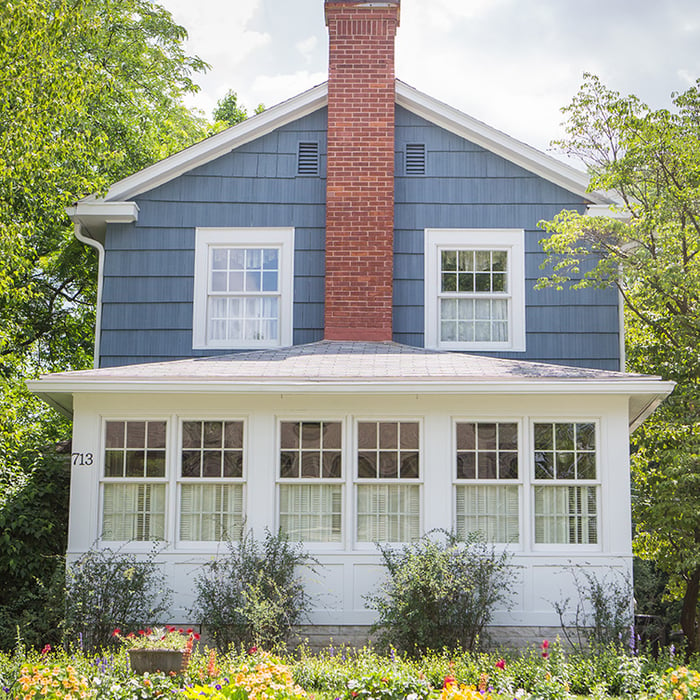
"We finally got this repair completed after about one month. It took awhile for them to find siding that matched, but it was eventually completed and looks good."


+158
Serving Oolitic, IN and surrounding areas
In business since 2012
Free estimates
Credit card accepted
"Joe has a professional team they was polite and courteous they tore out the dry wall in my upstairs which is 2 bedrooms rewired it so now I have lights installed insulation so my house is full insulated fixed the leak on my back porch so my roof no longer leaks. the job looks total professional I could not be more happy if I every sell the place they get a big thank you."


Serving Oolitic, IN and surrounding areas
In business since 2015
Free estimates
Credit card accepted
We are committed to exceeding your expectations. As experts, we will handle your needs with the high quality expertise that your home or business deserves. We offer competitive prices and customer satisfaction is our number one priority. Call us today!
Serving Oolitic, IN and surrounding areas
In business since 1994
Free estimates
Credit card accepted
Specializing in plaster and drywall.
Serving Oolitic, IN and surrounding areas
In business since 2018
Free estimates
"Free sites are the best."
Serving Oolitic, IN and surrounding areas
In business since 1997
Free estimates
Credit card accepted
At EMI Drywall we pride our company on reliability, great communication, integrity and quality work. We will do our best to keep you as educated as we can on your particular task or project.
Serving Oolitic, IN and surrounding areas
In business since 1975
Free estimates
Emergency services offered
Tim Thrasher's Painting, we do it your way. With 28 years of experience we have the expertise to handle any of your remodeling needs no matter the size We do it all of your remodeling needs.
From average costs to expert advice, get all the answers you need to get your job done.

Plaster repair costs are determined by the size and type of damage. Discover why some fixes you can DIY and why some require a pro’s help.

The cost of plastering walls and ceilings depends on the room size and ceiling height. Our tips can help you estimate an accurate cost.
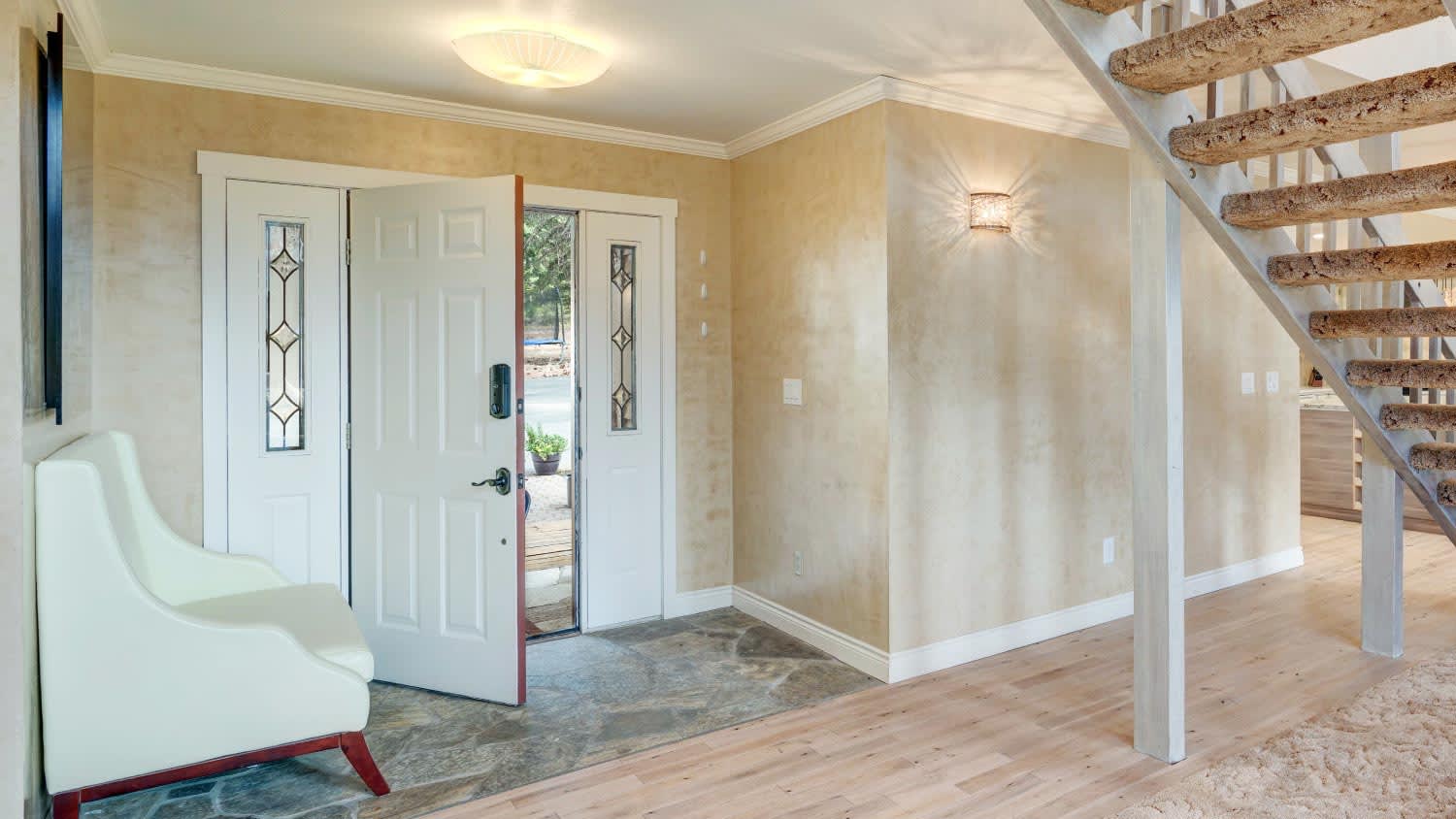
Venetian plaster can add depth and texture to your aesthetic. Learn how much Venetian plaster costs based on factors like square footage and whether you hire a pro to help.
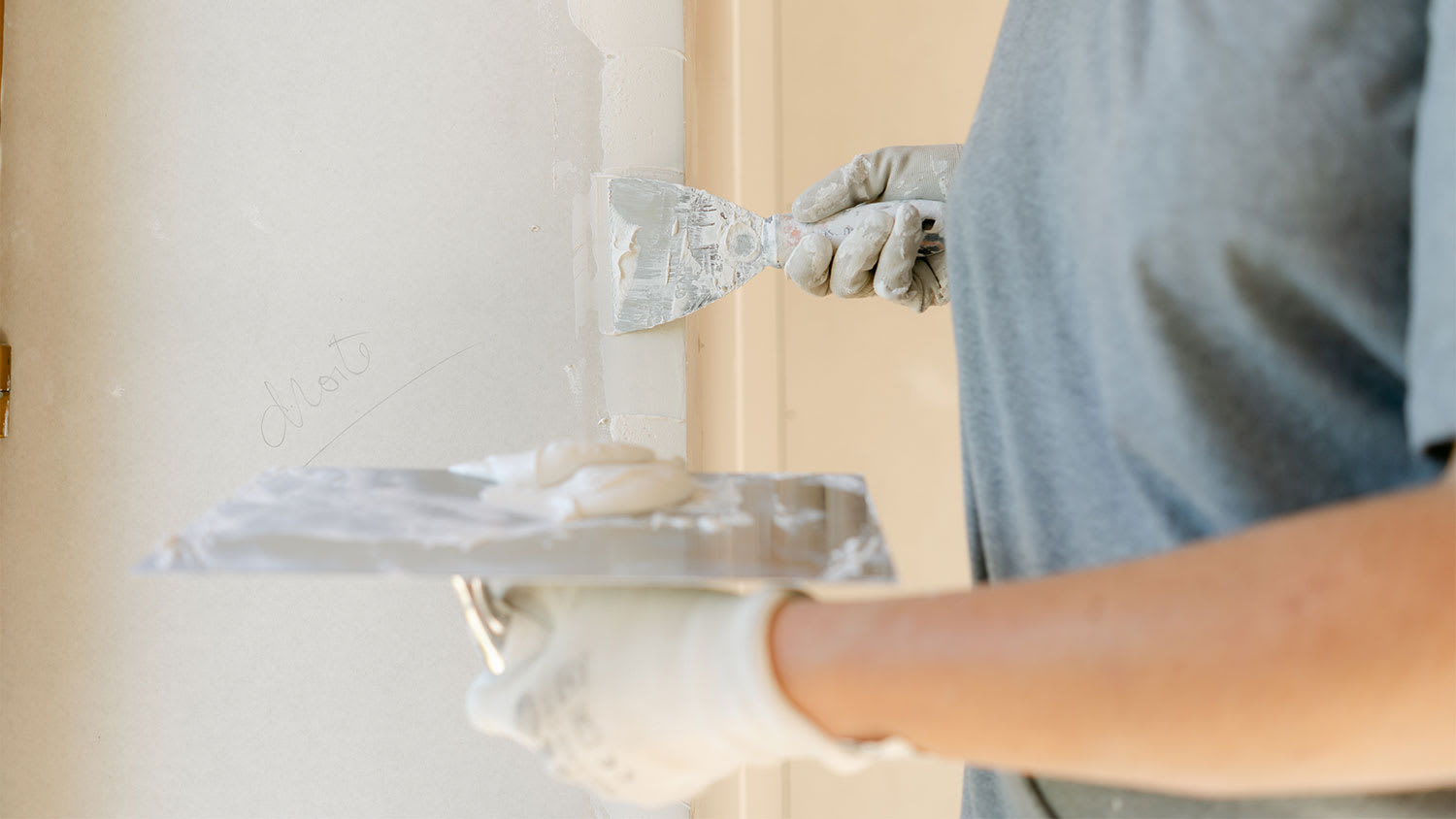
Finding a qualified plaster repair pro? Learn how to hire the right specialist, what questions to ask, and what to expect for your project.
Planning a plaster repair project? Learn about the process, average costs to expect, and how to hire the right local pro to restore your walls.

You can find plaster walls in a lot of older homes. What’s behind these walls—whether that’s lath or calcimine—can have an impact on how long they last. Finding out the age of your house can help you determine what you’re dealing with.