




Top-rated drywall pros.

Best drywall pros near New Castle, IN

Enter your zip and get matched with up to 5 pros

Need a pro for your drywall service project in New Castle, IN?

Select your specific project to find the pro for you.

Top-Rated Drywall pros in New Castle - Updated Nov 2026

Carreno Drywall, LLC
4.0(
1
)
Drywall - InstallDrywall - Install - For BusinessDrywall - Repair

Serving New Castle, IN and surrounding areas

Approved

In business since 2018

Free estimates

Credit card accepted

We are a locally owned and operated company that values honesty and integrity, and stands behind our work. With over 10 years of experience, we specialize in both interior and exterior residential painting projects. We pride ourselves on the quality of our work as well as our commitment to outstanding results. We look forward to building long-term relationships with our clients and guarantee your satisfaction.

Response time9 hrs
Recommended by100%of homeowners
Morales Painting & Cleaning, LLC
New to Angi
Drywall - InstallDrywall - Repair

Serving New Castle, IN and surrounding areas

Approved

In business since 2020

Free estimates

Offers commercial services

At Morales Painting & Cleaning LLC, excellence is our commitment. We take pride in delivering top tier painting services, specializing in both interior and exterior projects. From flawless drywall installations to meticulous repairs, power washing, and transformative kitchen and bath remodeling, we offer a comprehensive suite of services tailored to your needs. Whether it's a one-time deep clean or recurring maintenance, our dedication to exceeding expectations shines through in every task we undertake. Your satisfaction is our priority, and we guarantee every client leaves with a smile. At Morales Painting & Cleaning LLC, we're not just a company – we're your partners in achieving excellence.

Quality First Construction LLC
New to Angi
Drywall - InstallDrywall - RepairDrywall - Repair - For Business

Serving New Castle, IN and surrounding areas

Approved

Just like the name suggests, quality always comes first. With 10 years of both residential and commercial carpentry, there is a wide range of projects that we have experience in. We highly value customer/contractor relations, and aim to leave our clients pleased with a job well done in a timely manner.

2 neighbors recently requested a quote

...
Showing 1-10 of 199
Drywall FAQs, answered by experts

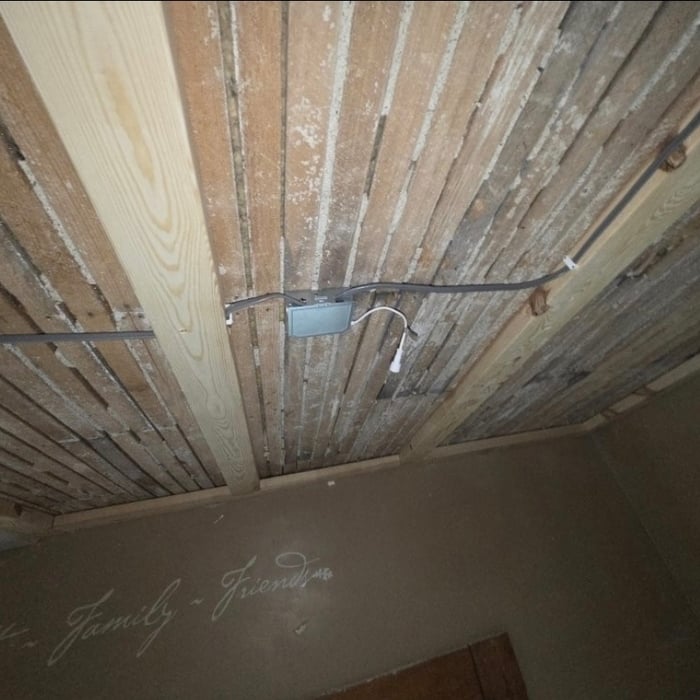
Furring strips, thin strips of wood or metal, are not always required for ceiling drywall installation. If the ceiling surface is even and in good condition, drywall can be directly attached to the ceiling joists using screws. However, furring strips become essential when dealing with irregular surfaces or when additional insulation or soundproofing is needed. They create a level substrate for attaching the drywall. Ultimately, the decision to use furring strips depends on the condition of the existing ceiling and the specific requirements of the project.

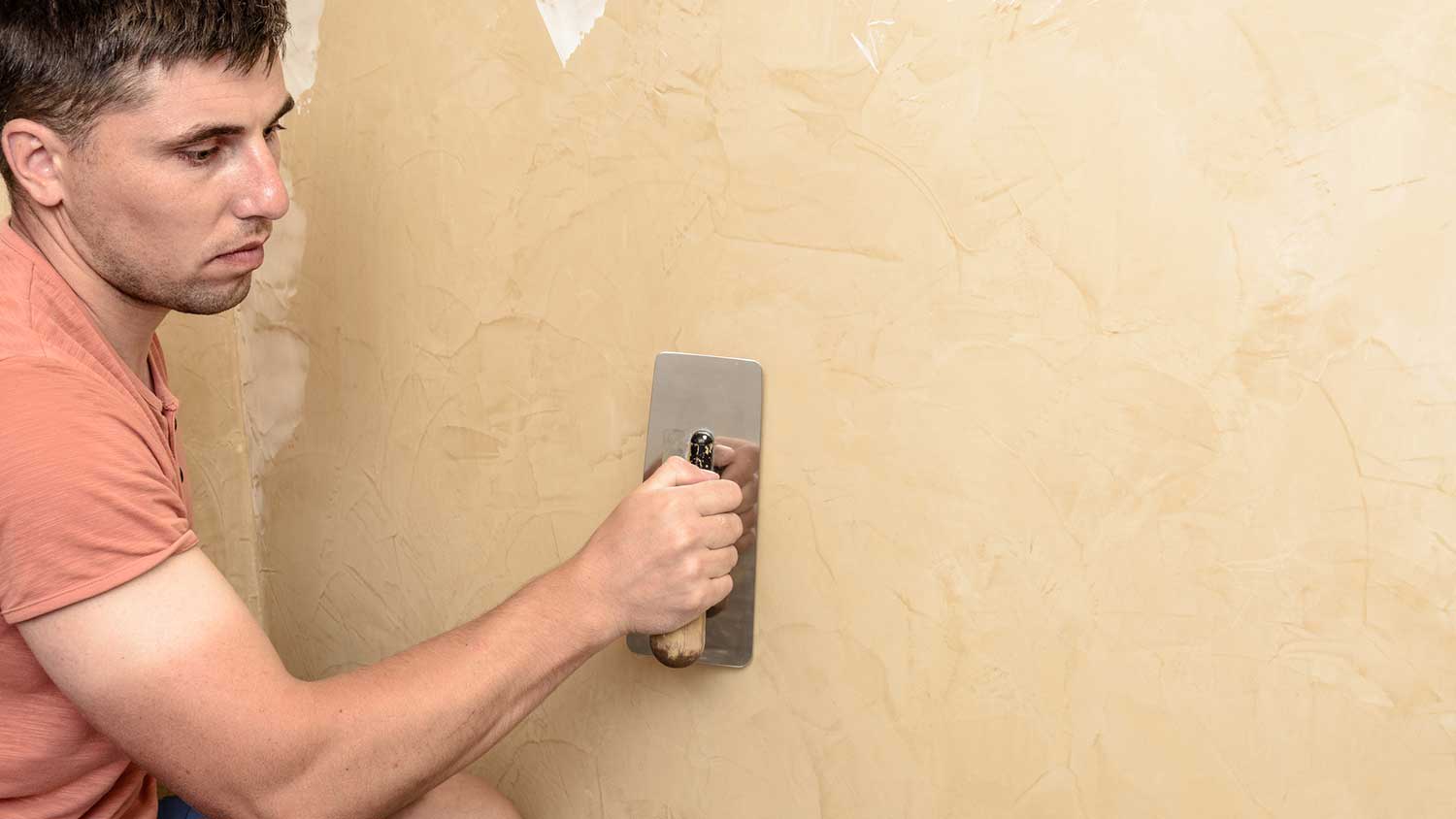
Venetian plaster is a highly durable wall finish that becomes a rock-like substance once dried, making it last longer than most other wall finishes. Its lifespan can range from decades to centuries, potentially lasting a lifetime. Key factors influencing its longevity include the quality of the initial application, whether it's properly sealed against moisture, and how the wall is maintained and treated (e.g., how often it is touched or bumped). Due to its mineral content, it can also develop a patina over time.

Knowing what causes drywall damage can help stop it before it starts. Here are some of the most common causes of drywall damage: 

  • Water damage from roof leaks or leaky pipes. 

  • Small holes caused by doorknobs, minor accidents, and rodent infestations. 

  • Wall dents stemming from moving furniture and minor accidents. 

  • Wall cracks that form from a settling foundation or seismic activity. 

  • Nail pops from nails and screws in the walls. 

  • Large holes that are caused by accidents with heavy objects, children and pets, or sporting equipment.

Although they have similar applications, spackle and joint compound are not the same. Their primary differences lie in their composition, consistency, and ideal use cases.

Spackle is composed of gypsum and binding agents, making it thicker than joint compound. It dries quickly and is easy to sand, which makes it ideal for small wall repair projects like filling nail holes or patching minor damage.

Joint compound, also known as drywall mud, consists of limestone and gypsum. It is primarily used for large-scale projects, such as taping and finishing the seams on newly installed drywall. It tends to shrink more than spackle and can be more difficult to spread.

While both products can be used to fill small depressions and cracks, spackle cannot replace joint compound for taping and mudding new drywall. Conversely, you can often use joint compound for small patching jobs typically done with spackle.

If your premixed drywall mud is dried out or has begun to set in the bucket, you may be able to revive it by adding warm water and stirring. However, the first and most important step is to scrape off any hard, dried bits of drywall that may have accumulated toward the top of the container and throw them away because they will not easily reconstitute back into the drywall mud mix.

The New Castle, IN homeowners’ guide to drywall services

From average costs to expert advice, get all the answers you need to get your job done.